• Skip to primary navigation
  • Skip to main content
  • Skip to primary sidebar
  • Skip to footer
  • Site Index
  • Fall Homesteading
  • Shop
    • Profitable Homesteading System
    • Jumpstart Your Homestead
    • Organized Chicken Keeper
    • G.O.A.T. Herd Management System
    • The Ultimate Planner for Breeding Goats
    • Couponing for Beginners Planner
  • Nigerian Dwarf Goats for Sale
    • Nigerian Dwarf Goats
  • About

Mranimal Farm

All About Silkies, Nigerian Dwarf Goats & More

menu icon
go to homepage
subscribe
search icon
Homepage link
  • Site Index
  • Fall Homesteading
  • Shop
  • About
  • Contact
  • ×
    Home

    Blog

    Coccidiosis in Chickens & Goats

    By MrAnimal Farm

    Coccidia in Chickens & Goats - A Health Challenge for Both

    Coccidiosis in chickens and goats, if left untreated can be very dangerous.

    What is Coccidiosis in Chickens and Goats?

    Coccidiosis, otherwise known as cocci or coccidia, is an internal parasite that can affect all species.  Coccidia can be found in the dirt, fecal matter, pretty much anywhere outside that your animals will definitely be touching.

    You would think that with how widespread coccidia can be that it would be a  simple thing right?  Wrong!  Coccidia, although by definition (it is a single cell protoza) is a simple organism how it affects animals is not simple at all.

    First, there are a multitude of types of Coccidia.  To make things more difficult, Coccidia are species specific.  This means that the 10 (yes, 10!)  types of Coccidia that affect goats will not affect chickens.
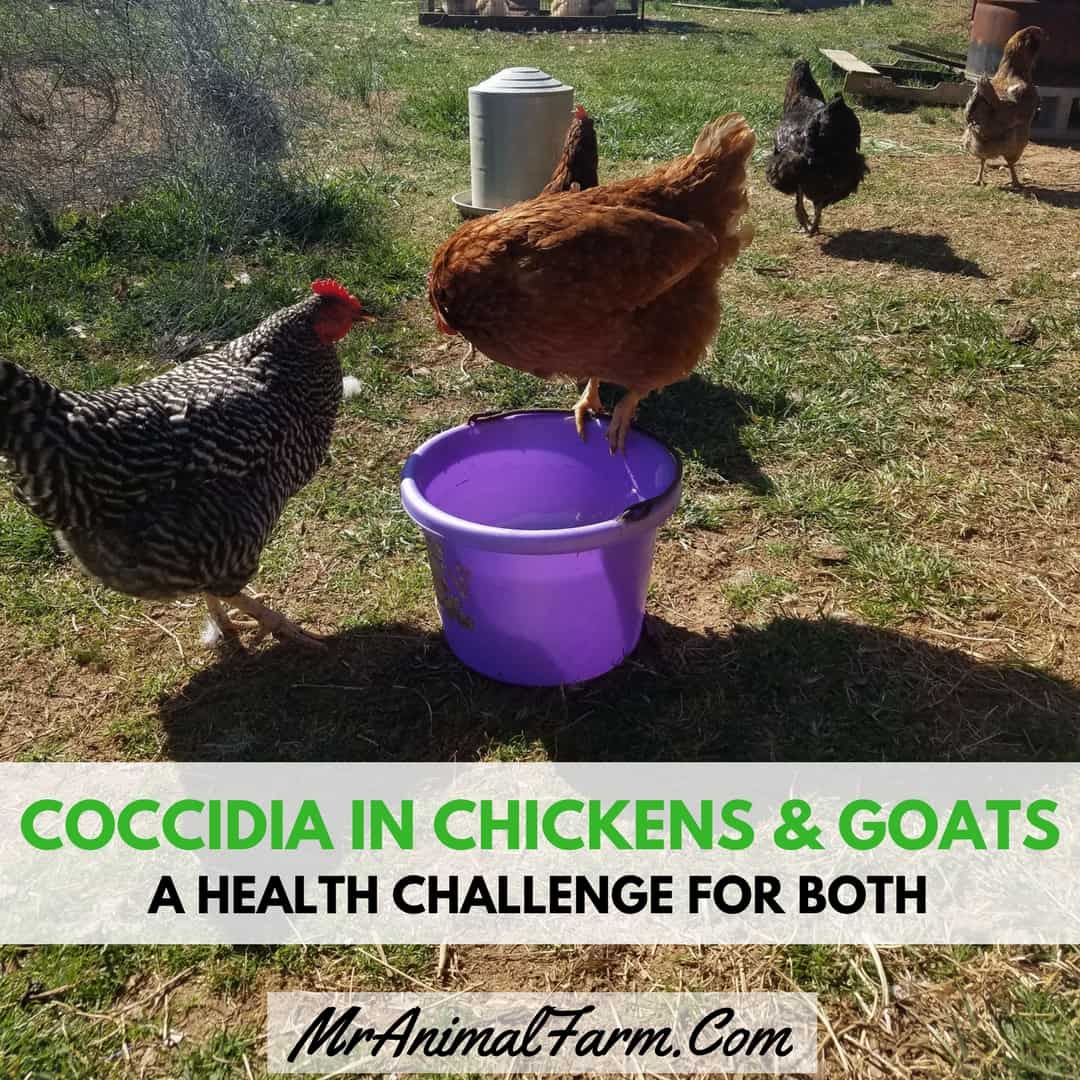
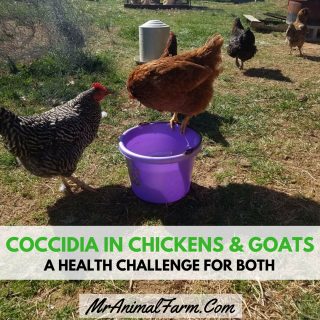
    Coccidia in Chickens & Goats - A Health Challenge for Both text over a chicken perched on a water bucket

    And, also, that the 9 types of Coccidia that affect chickens will not affect goats or any other species.

    Of course, each of these different types of Coccidia will have different levels and slightly different types of infection in their host species.  For more details on Coccidia's life cycle, check out this article.

    Whew! So, you are probably thinking Coccidia in chickens and goats may be a hard thing to manage, identify and treat, right?  Not necessarily true (thanks goodness!)
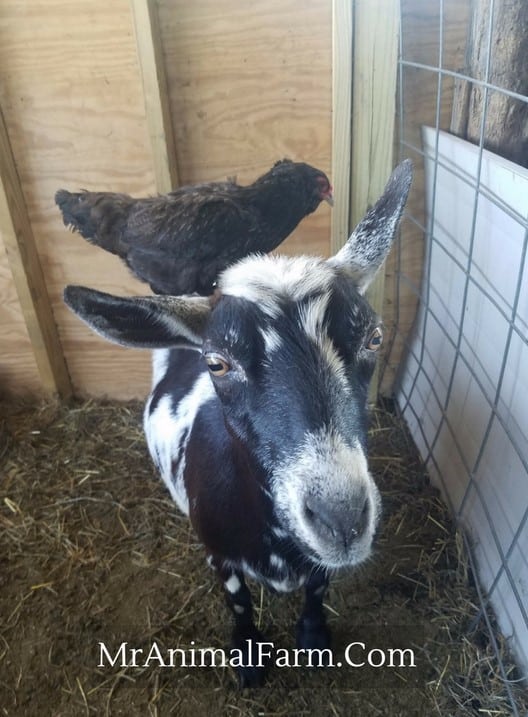
    goat with chicken sitting on her back

    How to Identify Coccidia in Chickens and Goats:

    Coccidia can be present and affecting your chickens and/or goats without you noticing.  A low grade infection or overload of Coccidia can cause decreased appetite and decreased production (milk for goats, eggs for chickens).  Additionally, a low grade overload may also just cause your goats or chickens to act a little "off".

    The really dangerous load of Coccidia is when you start to see obvious signs.  In goats, you will see lethargy, anemia, dehydration and diarrhea (in addition to the low grade signs).

    In goats, diarrhea is sometimes referred to as scours. Brush up on all your important goat terminology so you know what everything means.

    In chickens, you can see all the same signs as you see with goats.  A tell-tale sign of Coccidia in chickens is bloody diarrhea.

    In order to positively identify Coccidia in chickens and goats, you can collect a fecal and have your vet run a test on the fecal sample.

    As you may expect given that coccidia is present in dirt, all animals will usually have some level of coccidia in their systems.  If you run a fecal on an adult goat you may find a few coccidia and this is considered normal and not cause for concern.

    It is when the fecal is covered in coccidia and/or your animal is also showing the signs and symptoms mentioned above that you need to be concerned and start treatment.

    Due to the fact that all animals will usually have some level of coccidia normally, it is important to watch them during times of extra stress as this can be a time when the coccidia will take over and become an issue.

    For example, during goat kidding time or when chickens get integrated into a new flock the animals are under more stress than usual and therefore may experience a coccidia bloom.

    How Is Coccidiosis Transmitted?

    As we mentioned, coccidia is a naturally occurring bacteria that just about every living thing carries. The problem is when it starts to accelerate it's growth and overload it's host.

    Since your livestock already carries it, that also means they shed it when they create and expel waste (poop, we're talking about poop). When their area is not kept clean, or if the moisture/humidity/temperature/weather conditions are just right, the bacteria will start to grow on the ground.

    Then when your goats or chickens are eating feed, hay, pellets, grass, anything that's on or low to the dirt, they reingest the coccidia, thus reinfecting themselves. This cycle can continue until the animal is either successfully treated or they, sadly, get sick and die.

    How to Treat Coccidia in Chickens and Goats:

    **Please note, this is how WE treat our animals based on experience and advice from our vet.  It should NOT substitute for actual veterinary advice if you have a sick animal**

    Coccidiosis Treatment in Chickens:

    We treat them with Corid in their water.  We simply follow the instructions on the bottle.
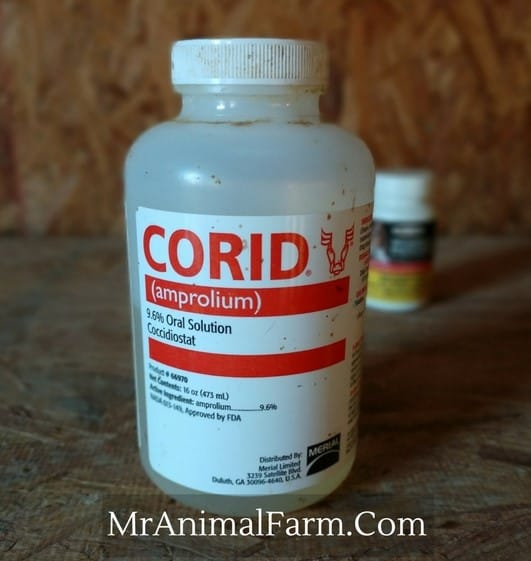
    bottle of corid

    Corid (as well as being sick) can zap B vitamins from your chickens, so after (NOT during) the dose of Corid we like to give them a vitamin and electrolyte supplement.
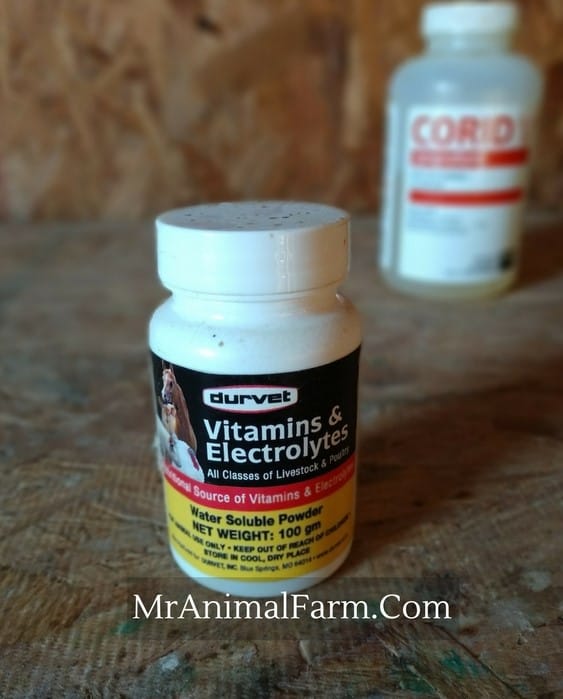
    chicken vitamins and electrolytes

    If they are really sick, it is also a good idea to separate them (leaving them with at least one buddy to decrease stress if possible).  Very weak birds may need some help eating and drinking - we have syringed water sometimes to get them going.

    If you need more help with taking care of your chickens, check out The Organized Chicken Keeper for a complete system for managing their health through keeping their supplies stocked and coop clean.

    Access The Organized Chicken Keeper Here

    Coccidiosis Treatment in Goats

    We use Albon (which we purchase from our vet).  It is a simple oral medication that they get for a few days.  Di-methox is another medication used to treat Coccidia in goats.
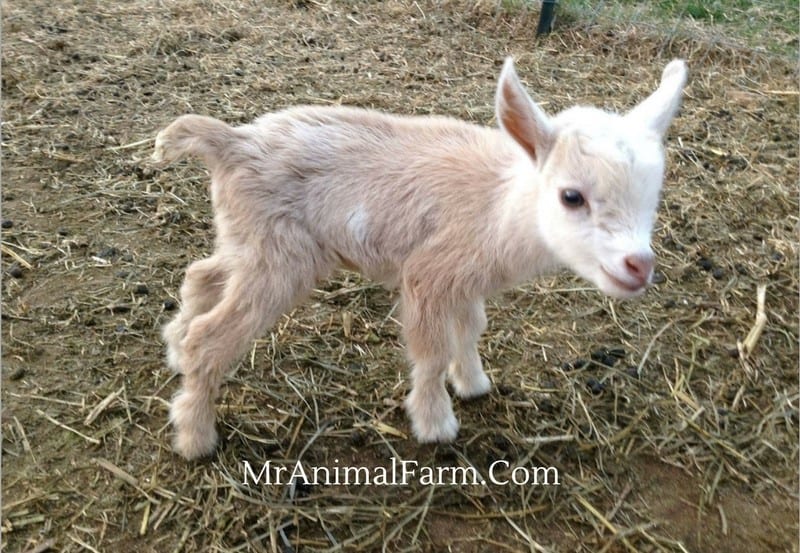
    In addition to the Albon (or other medication recommended by your vet), we make sure that the goat is getting separated to eat on their own (so they don't have to fight for food).  We also give Probios to keep their tummy healthy.

    For goat kids, you can also put them on a coccidia preventative.  Find out more about goat kid care and goat breeding in the Goat Breeding Planner.

    We use Albon (which we purchase from our vet).  It is a simple oral medication that they get for a few days.  Di-methox is another medication used to treat Coccidia in goats.

    goat kid

    How To Prevent Coccidiosis:

    Cocci is one of those things that is naturally occurring. You may not be able to completely prevent it from living in and around your homestead, but you can put some preventative measures in place to help keep it at bay.

    Making sure their area stays dry is crucial to keeping coccidia from overgrowing. You will also want to make sure to keep their water fresh and clean on a regular basis. Additionally, moving the location from time to time to allow the area to dry out and reduce/kill the bacteria growth is also helpful.

    Additionally, make sure to know how to quarantine new animals. Even if you purchased from a disease free goat herd or a NPIP Certified chicken breeder. Because stress can cause coccidiosis to bloom when animals move to new homes.

    Have you experienced Coccidia in your chickens or goats?  How did you treat them?

    If you need more help with taking care of your chickens, check out The Organized Chicken Keeper for a complete system for managing their health through keeping their supplies stocked and coop clean.


    Access The Organized Chicken Keeper Here

    Winter Farm Activities You Should Consider Trying

    By MrAnimal Farm

    Winter Farm Activities

    So, we have all been enjoying the Fall weather.  Its cool and breezy.  But now the days are getting really short and it is getting much colder out. Preparation and other winter farm activities are just on the horizon.

    Winter Farm Activities text over sunset behind barn with snow on the ground

    Due to the short, cold days most of the big outside tasks will be put on hold until Spring gets here.  However, there are still some things you can do around the farm.  In addition to the daily chores, of course.

    Winter Farm Activities we will be doing this year:


    1)  Get ready for Goat Kiddings

    If like us, you bred your goats in the Sept - Oct range, then  your does may be due in Feb - Mar.  Since it is our first year for kiddings, we will be spending some research and education time learning all the ins and outs to be the best prepared that we can be.  

    We will also be getting all of our kidding supplies ready.  Additionally, we will be updating our website with the expected due dates to open up waiting lists for the kids.

    2)  Start Garden Planning

    OK, you may think at first that it is a little early to plan your garden.  But trust me, it isn't!  Depending on your planting zone, some crops should be started inside as early as February.  We do square foot gardening and have a mapped out plan in Excel.  

    So, each year we make a list of what we want to grow, plan how much we will grow, and map out what boxes each thing will go in.  If you are growing new things, you can spend the time to research the best ways to grow them.

    And, of course, order your seeds.

    We also make sure we have all the gardening supplies we will need for the year ready to go.

    If you need help getting your garden crops planned right check out The Ultimate Gardening Calculators so that you have just the amount you need, set aside the right amount of space and know exactly when to plant them.

    Access The Ultimate Gardening Calculators Now

    3)  Replenish Your Layer Flock

    Again, this may seem like it is too early to think about.  However, if your layer flock is getting older and you want hens ready to lay in Spring/Summer, you will need to start thinking about getting chicks in Jan or Feb.  

    We also offer growouts to our customers each year, so we will be ordering a batch of pullets in January.  That way they can start growing out for those who don't want to deal with brooding their own chicks.

    You can make your own homestead profitable with these Profitable Homesteading Worksheets.

    4) Spring Expansion

    Each Winter (maybe due to lack of outside time) we always come up with one big, fun, new exciting project for the next year.  This year we did two -- chicken breeding pens and goats.  So, use the time to sit and think about what you might like to expand into next.  

    Maybe it will be a new animal.  

    Maybe more of something you already have, a new gardening style, an orchard the list could be endless.  

    If you are farming for profit (and not just self-sufficiency), go through your books and see what was most profitable (maybe you should add to that venture), least profitable (is it still worth doing?) and what months you would like to add income to (what activities can fill in this gap?).

    5) Decluttering & Organizing (outside and inside)

    As things slow down, and we look around the whole house and barn really are a bit out of control.  Papers are everywhere, feeders and waterers are not put away, feed bags are taking over the barn.  The list could go on and on.

    inside our cluttered barn workshop

    So, one main winter farm activity here is to declutter the barn (and the house).  Get things put back into their proper places.  Organize everything that is out of place.  And, in general, just get things clean.  

    Is it just us, or do papers seem to take over the world?  We LOVE paper organizers like this.  And are eyeing this wall hanger for barn papers.

    If you found this helpful check out, The Fruitful Homesteader: A Goal Setting and Project Planning System so that you can get your homestead working for you.

    Click Here to Access the Planning System

    6) Catching up with animal health records

    No matter how good our intentions are at the start of each season, marking things on the animals health records is something that we always seem to fall behind on.  It is so easy to do some quick goat hoof trimming during feeding time and then forget to mark the date down.

    animal health records

    So, now that things are a littler slower, go through everyone's health record. Make sure that their latest treatments are notated.

    7) Meal Stock-up

    One winter farm activity that is really useful is stocking up on meals. We like to make some easy crockpot meals and freeze them for a later date.  This is especially useful during the busiest times (like kidding season) when you may not know that you will end up outside helping a doe and her new kids right at a mealtime.

    frozen stew

    It is so awesome to be able to grab a pre-made meal out of the freezer.  You can heat it quickly and it is healthy.  One of our favorites is this chicken or beef chilli.  If you do not have a crockpot, you are really missing out.  It is the BEST kitchen appliance ever!  We love this one, but for a little more money you can get a really fancy programmable one.

    8) Working on all of the things that we missed

    I will be the first to admit that my "to-do" list is longer than reasonable.  There's all the things you have to do.  Then all the things you need to do.  And finally, all the things you want to do.  And try as I might, there is never time to fit it all in.

    So, during the winter, take a look at your "to do" list.  Identify a few (key word: FEW) things that you want to tackle.  Then, dive in!  On our list for this winter is making cheese.

    What winter farm activities will you be trying?  Let us know in a comment below!

    If you found this helpful check out, The Fruitful Homesteader: A Goal Setting and Project Planning System so that you can get your homestead working for you.

    Click Here to Access the Planning System

    Can Chickens Eat Rice Or Will They Explode?

    By MrAnimal Farm

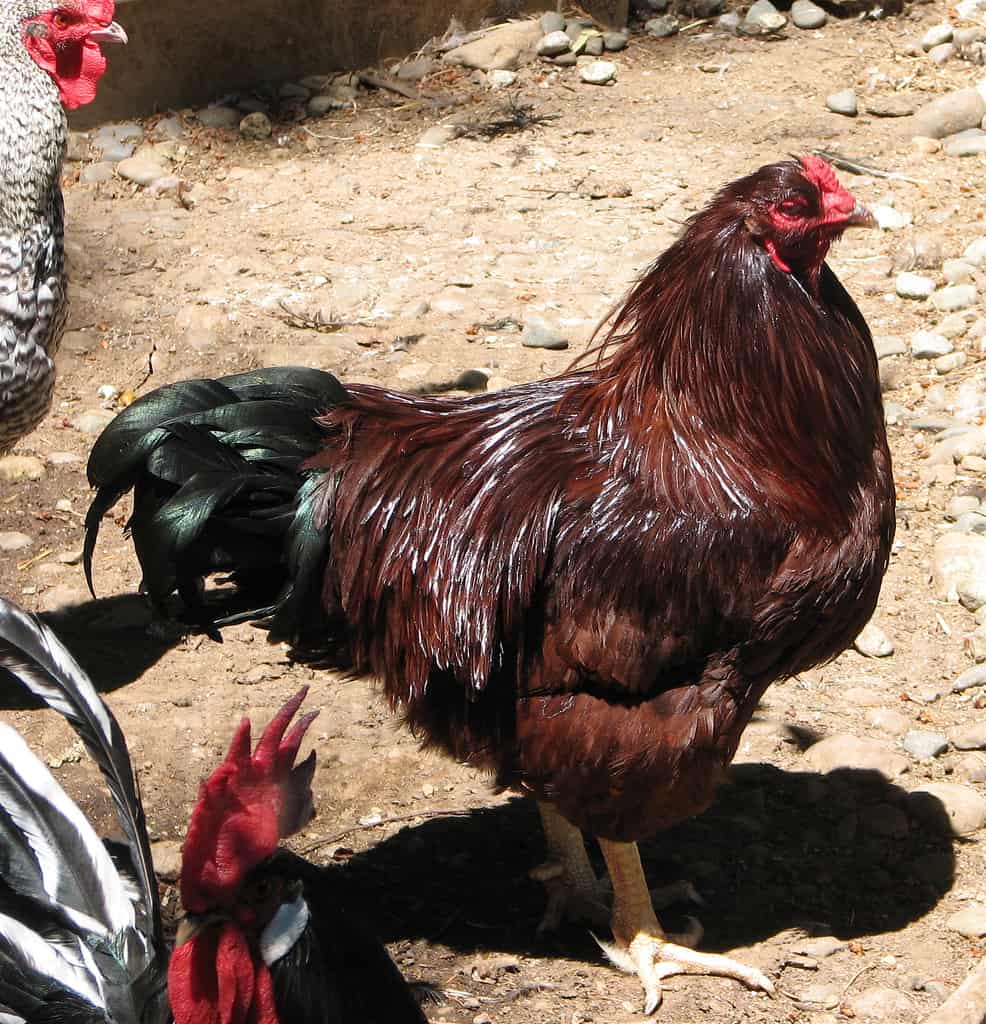
    rooster

    We've all heard the stories of wedding day disasters where birds eat uncooked rice and then they start dropping out of the air. Well, since chickens are birds too, can chickens eat rice?

    Keep reading below for all the details on whether your chickens can eat cooked and uncooked rice or if it will be their downfall.

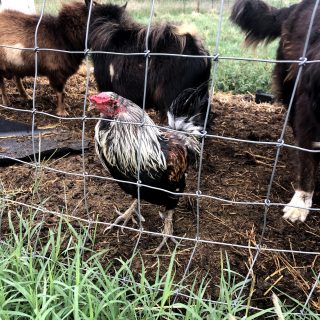
    rooster behind fence in buck pen

    Can Chickens Eat Rice?

    Yes, chickens can eat rice as a healthy and nutritious snack. They can safely eat cooked and uncooked rice as well as brown rice, white rice and other rice variations as long as they don't include toxic additives.

    Can chickens eat cooked rice?

    Yes, chickens can eat cooked rice. In fact, cooked rice is the easiest and most appealing form to feed to your chickens.

    Can Chickens Eat Uncooked Rice?

    Yes, chickens can eat uncooked rice. Chickens won't explode from rapidly expanding rice if they eat it prior to being cooked.

    Just remember, when chickens eat raw rice, or uncooked rice, it will be a bit tougher for their digestive juices to break it down. Dry rice is also tougher for them to "chew". Since they do not have teeth they have to peck and the harder, dry rice is does not crush as easily as cooked rice.

    You've probably heard the old urban legend where birds eat uncooked rice thrown at a wedding, it expands in their stomach, then they explode and die (or some variation).

    Fortunately, that is a myth and entirely untrue. When a chicken eats their food is stored in their crop where it is broken down into smaller bits. Those broken down bits of food eventually make their way to the stomach to be fully digested.

    So, uncooked rice, will never have the time (or boiling temperature, for that matter) to expand quickly enough to cause a chicken to explode.

    Can chickens eat brown rice?

    Yes, chickens can eat brown rice. In fact, brown rice tends to have more nutrients and be less processed that other rice variations, so it is a top choice to give to your flock.

    Can chickens eat white rice?

    Yep, chickens can eat white rice too. It is perfectly for fine for them to have.

    an Chickens Eat Rice Krispies/Puffed Rice Cereals?

    Technically, yes chickens can eat Rice Krispies, and other rice based cereals are as a treat. You will want to keep the amount they eat low as they do contain added salts and sugars. Any excessive amount of either of those things can be detrimental to your chicken's dietary health.

    You will also want to avoid any flavored versions of Rice Krispie style cereals. That means no Cocoa Krispies or Strawberry Rice Krispies.

    And Rice krispie Treats (or other cereal bars) are a big NO. The marshmallows that hold them together are not only a huge sugar dump, but the stickiness can also be harmful for your chicken.

    Can Chickens Eat Rice Cakes?

    Yes, chickens can eat rice cakes as long as you stick to non-flavored and low sodium ones.

    Can Chickens Eat Rice Pudding?

    No, chickens cannot eat rice pudding even as a treat. Most recipes contain a higher amount of sugar than your chicken will likely be able to handle.

    Can Chickens Eat Flavored Rice Mixes?

    No, chickens cannot eat flavored rice mixes. It is best to leave these in the kitchen.

    Chickens should not exceed a sodium level of more than 1%. Often times these prepackaged instant rice, uncooked rice meals, or already cooked rice dinners have a VERY high level of extra sodium, or salt.

    Can Chickens Eat Spicy Rice Mixes?

    No, chickens cannot eat spicy rice mixes. Just like flavored and pre cooked rice mixes, the sodium content is just way too high for your chickens.

    This is also true for uncooked rice that is flavored, as well. When letting your chickens eat rice it is best to just stick with plain rice.

    Can Baby Chicks Eat Rice?

    No. Chicks need a pretty precise diet when they are growing. It is best to keep them on a dedicated chick/starter feed until they are old enough to switch to adult feed. We suggest not allowing them to eat it at all, whether it's cooked rice, uncooked rice, rice cakes, or crisp rice cereal/Rice Krispies; they should not have any of it.

    rice scattered on a wooden table

    Is rice healthy for chickens?

    For the most part, it is. It's definitely not a replacement for their normal diet. Rice is very carb heavy with very little protein. Chickens need a good balance of protein, carbohydrates, as well as other nutrients. The best way to guarantee a healthy and balanced diet is to give them a reputable layer feed.

    But, all in all, it is perfectly healthy for chickens to eat cooked rice and uncooked rice. In moderation, rice is a great economical food with many essential nutrients from the recommended nutritional scale. Rice adds nutrients to your chickens diet like B vitamins, fiber, folic acid, iron, potassium, magnesium, selenium, and zinc.

    For the maximum nutritional benefit, we suggest feeding rice that has been through minimal processing. When minimally processed, many of the original nutrients are left intact instead of being bleached out or destroyed through some other means.

    You will also want to only feed rice and other non-standard foods a few times a week and not daily. You will want to keep track of when and what they are eating so they do not have their nutritional balance thrown off.

    Need some help keeping your chickens health and care taken care of? Check out the Organized Chicken Keeper for an easy to follow system.

    How To Feed Your Chickens Rice

    It is pretty simple to feed your chickens rice as a healthy snack or treat. First, get whatever type of rice together that you plan to feed them. Then, you can either add it in with their regular feed, put it in a separate bowl or even feed it to them out of your hand.

    If you want to, you can create a chicken boredom buster by making rice balls and either using other chicken safe ingredients to get them to stick together, or even slightly freezing them. Then you can give them as a ball or even hang the ball from the coop or a limb and let them peck at it.

    If you need more help with taking care of your chickens, check out The Organized Chicken Keeper for a complete system for managing their health through keeping their supplies stocked and coop clean.

    Access The Organized Chicken Keeper Here

    Chickens That Lay Colored Eggs

    By MrAnimal Farm

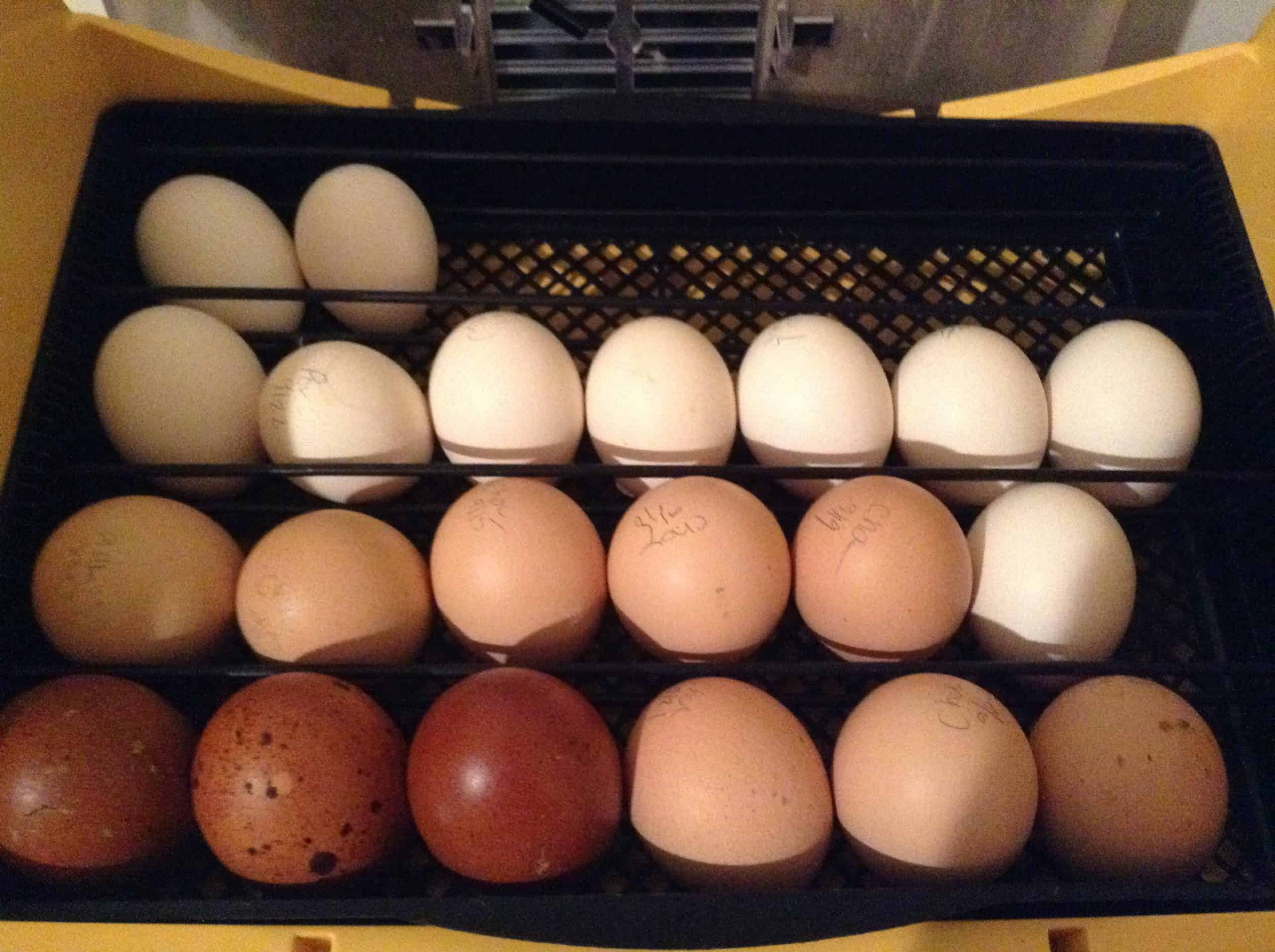
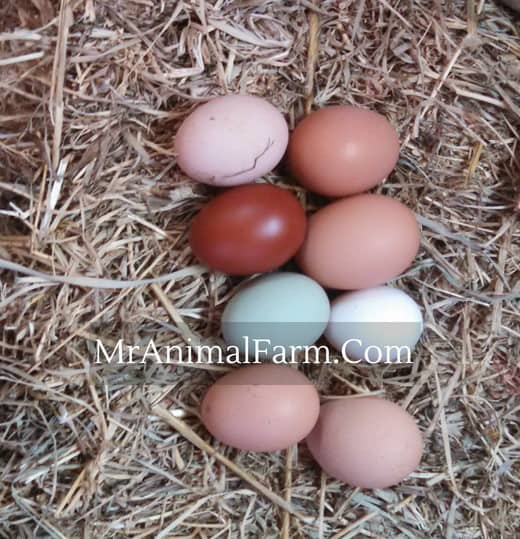
    incubator with olive, blue, light brown, pink, brown, and chocolate colored eggs

    Are you fascinated anytime you see a picture of an egg basket and it has a whole rainbow of different egg colors? It leaves you wondering how to find chickens that lay colored eggs, doesn't it?

    incubator full of different colored chicken eggs
    incubator with olive, blue, light brown, pink, brown, and chocolate colored eggs

    [ez-toc]

    All About Chickens That Lay Colored Eggs

    If you identify with the sentiments above, you are in the right place. Finding a chicken that lays colored eggs is not a difficult task, AT ALL. In fact, it's pretty easy.

    There are a ton of different chicken breeds that, not only lay colored eggs but are also good production chickens, meat birds, or dual purpose chickens! That means you don't have to worry about sacrificing practicality to get a basket of beautiful eggs.

    What Colors Do Eggs Come In

    Chickens can lay eggs in a pretty wide range of colors. We are all accustomed to seeing plenty of white, with the occasional brown egg, at the grocery store. But, you will see there are so many more options.

    Chickens can lay colors like:

    • blue
    • brown
    • chocolate
    • dark brown
    • light brown
    • cream
    • green
    • olive
    • patterned/speckled
    • pink
    • white

    Genetics of Egg Color in chickens

    In order to fully understand how chickens lay all these different colors of eggs, we need to talk a little about the genetics behind this trait.

    What color egg a chicken will lay is determined by the genes that chicken carries.

    Let's first talk about white eggs. White eggs are considered wild type (or the most common/normal) color. This basically just means that all eggs started out as white and certain genetic changes have happened over time to include additional colors. In fact, the base color of all eggs is white.

    Eggs of a different color simply have additional pigment added to them at different stages in the shell formation to change their color.

    Brown egg color genetics are quite interesting and there are multiple genes that cause this to happen. The way that brown eggs occur is that the pigment protoporphyrin IX is deposited into the outside of the egg as the egg is formed and goes through the laying process. (Source)

    Need some help keeping your chickens health and care taken care of? Check out the Organized Chicken Keeper for an easy to follow system.

    Blue eggs are actually caused by a retrovirus. This retrovirus caused the blue gene to become active. Blue eggs are caused by the pigment Oocyanin.

    The blue egg gene is dominant, this means that a chicken only needs only copy in order for it's eggs to be blue. If they have one copy they'll usually have lighter blue eggs and if they have two copies, they'll usually have darker blue eggs. (Source)

    Chickens that lay green eggs are simply a cross of brown and blue egg genes. The green color will be lighter or darker shades depending on the parents egg colors.

    How do you make colored eggs or breed for colored eggs?

    You can get different colored eggs by breeding together chickens that have certain egg color genes. Two white egg layers will get all white egg laying offspring.

    A white egg layer with a brown egg layer will result in brown egg laying offspring. The darkness of the brown is dependent on the darkness of the parents brown eggs.

    Two brown egg layers will result in all offspring laying brown eggs, typically darker than offspring from a white egg layer crossed with a brown egg layer.

    A white egg layer crossed with a blue egg laying chicken will result in a light blue egg layer.

    Two blue egg layers will result in only blue egg layers.

    A brown egg layer crossed with a blue egg layer will result in green egg layers. The hue and shade of green will be dependent on the parents blue and brown colors. These are typically called Olive Eggers.

    Which Chickens Lay Which Colors?

    If you are looking for chickens that lay colored eggs to expand the palette of your daily egg basket, here is a less-than-exhaustive-but-still-pretty-comprehensive list of potential flock options.

    What type of chicken lays blue eggs?

    • Easter Eggers
    • Aracauna
    • Ameraucana
    • Cream Legbar

    Note: Knowing how to tell Easter Eggers vs Ameracuanas vs Araucanas is important as they do have several similar traits.

    What type of chicken lays brown eggs?

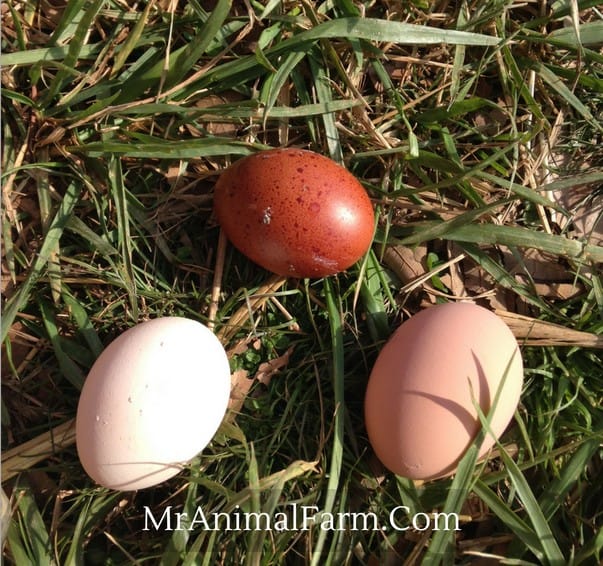
    It's a common thought that the most common egg color is white. That makes sense since that's what most people see in the grocery store. However, brown, in it's various shades, is actually the most common egg color.

    You will notice that pink is part of the brown egg layers list. That is because pink eggs are simply light brown or tan eggs with a color bloom over them.

    Brown
    • Amberlink
    • Australorp
    • Brahma
    • Buckeye
    • Chantecler
    • Cochin
    • Delaware
    • Dominique
    • Golden Comet
    • Java
    • Jersey Giant
    • New Hampshire Red
    • Orpington
    • Plymouth Barred Rock
    • Rhode Island Red
    • Sapphire Gem Chickens
    • Sussex
    Dark Brown
    • Barnevelder
    • Welsummer
    Chocolate
    • Marans
    • Penedesenca

    What kind of chickens lay pink eggs?

    As we mentioned above, pink eggs are really just a lighter brown or tan shade with a pigment bloom overlaid on top.

    Light Brown/Pink
    • Asil
    • Australorp
    • Plymouth Barred Rock
    • Buff Orpington
    • Langshan
    • Lavender Orpington
    • Red Laced Wyandotte
    • Silver Laced Wyandotte
    • Sussex

    What breed of chicken lay green eggs?

    Green eggs are not just for children's books.

    • Easter Eggers
    • Isbar or the "Ice Cream Bar"
    Olive
    • Olive Egger

    What type of chicken lays white/cream colored eggs?

    White is probably the most commonly known color for eggs.

    • Ancona
    • Blue Andalusion
    • Campine
    • Polish
    • Silkie
    • White Leghorn
    Cream
    • Dorking
    • Easter Egger
    • Faverolle

    What types of chicken lay speckled eggs?

    Although it's not technically a color, a speckled pattern adds an interesting and fun bit of variety and texture to your egg basket.

    • Cuckoo Marans
    • Welsummers

    Frequently Asked Questions

    As you can see, there's a whole Easter basket range of egg colors. Naturally, this spurs a whole lot of questions. Here are some of the more common ones we hear.

    Q1. What color eggs do ameraucana chickens lay?

    Ameraucanas, along with Aracaunas, and Easter Eggers, lay blue eggs.

    Q2. What color eggs are healthiest?/Do blue chicken eggs taste different?

    Aside from the color, there is very little difference between one egg to the next. No matter which color egg you get, it will hold nearly the same nutritional value. They will also all taste the same. A chicken's environment, food, and water source play more of a role in flavor than color does.

    Q3. What color egg's do black chickens lay?/Do black chickens lay black eggs?/Do any chickens lay black eggs?

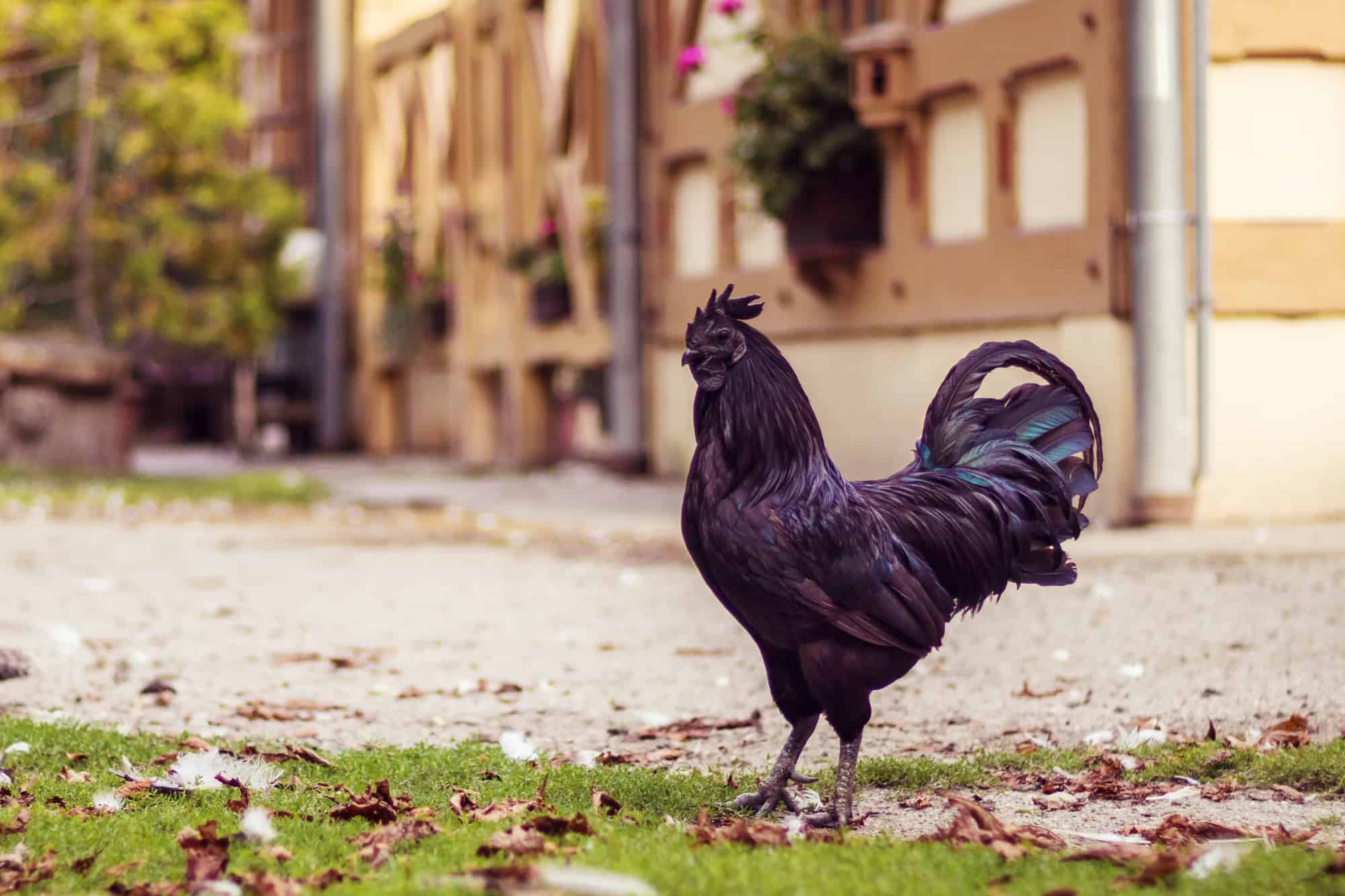
    The Ayam Cemani is a rarity in the chicken world. It is completely black, from head to toe. It's feathers, skin, even their internal organs. However, the one thing that is not black is the eggs they lay. In fact, the Ayam Cemani lays a shockingly light cream colored egg.

    Q4. Can the same chicken lay different colored eggs?

    An individual chicken can only lay a single color egg. Depending on their diet, age, pigment bloom, etc, the shade may be lighter or darker but the color will remain the same.

    You will notice that the Easter Egger appears on almost every color option of the list. That is because the breed is capable of laying many different colors and shades. But, again, each chicken will ONLY lay one color.

    Q5 Do roosters affect egg color?

    Roosters do affect egg color as they are responsible for half of the genes in their offspring. Egg color is determined by genes that are inherited from parents - one gene from each parent.

    Q6. How do you breed blue eggs?

    In order to get blue eggs you must have at least one blue egg gene which means one of the parents must lay blue eggs. You can get blue eggs from a white egg layer crossed with a blue egg layer or two blue egg layers crossed together.

    Wrap Up

    As you can see, there's a whole Easter basket range of naturally occurring colored eggs. After you read through the list a few times, you can really plan out which breeds you want in your flock and have a beautiful egg basket in the process!

    If you need more help with taking care of your chickens, check out The Organized Chicken Keeper for a complete system for managing their health through keeping their supplies stocked and coop clean.
    Access The Organized Chicken Keeper Here

    Can Chickens Eat Apples?

    By MrAnimal Farm

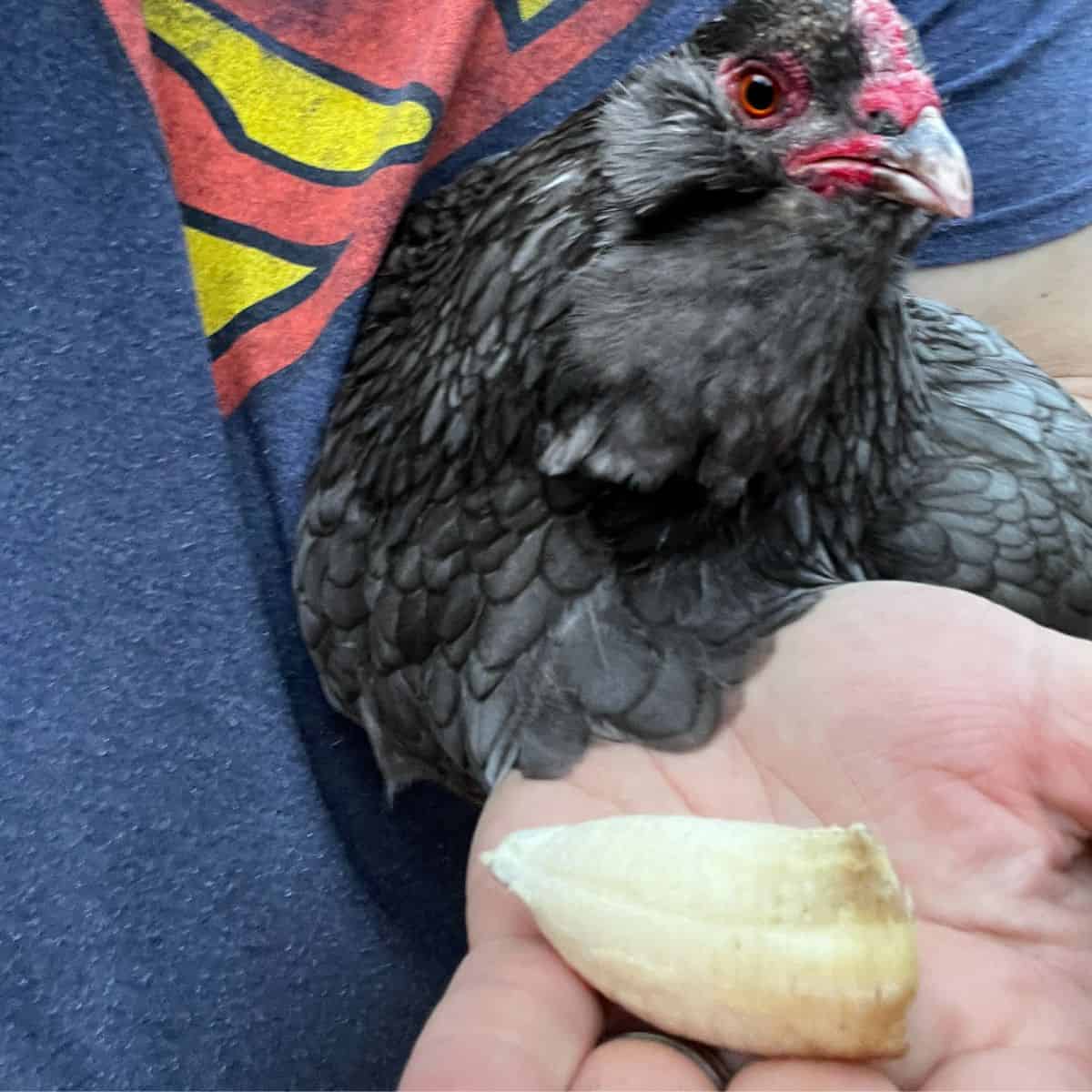
    Chicken being held next to handful of apples.

    Yes, chickens can eat apples - peel and all - and they really like them. Additionally, they are packed full of healthy stuff like fiber, vitamin C and antioxidants.

    Keep reading to find out several ways to serve them, things to watch out for and more tips.

    Chicken being held next to handful of apples.
    [feast_advanced_jump_to]

    Can Chickens Eat Apples Safely?

    Yes, chickens can not only safely eat apples, they LOVE them! You may have heard that apple seeds are deadly since they contain cyanide (more on that below). That is technically true, but it would take a lot of seeds and chickens are usually more interested in the sweet fruit instead.

    Can Chickens Eat Apple Seeds?

    Yes, chickens can eat apple seeds, but there are a few caveats. Apple seeds contain cyanide which can be deadly. In fact chickens can eat cherries and chickens can eat nectarines both of which also have cyanide in their seeds/pits.

    However, the amount of cyanide in each apple seed is relatively small at 1 - 4 mg - it varies by type of apple. It takes 11.1 mg/kg of body weight for chickens to get cyanide poisoning.

    This means, depending on the variety of apple, your chickens would have to be gobbling up well over 50 seeds at a time (in some instances over 150 seeds). And, the likelihood of this is just quite small unless you're giving them bushels of whole apples.

    Are Apple Peels Safe For Chickens?

    Apple peels are incredibly packed with the beneficial nutrients we mentioned above. In fact, an apple that has NOT been peeled has 50 more phytonutrients than a peeled apple!

    The times when apple peels may be harmful to your chickens is if they are not completely clean. Many apples, especially conventional/non-organic apples, are sprayed with various pesticides as they grow.

    Once they are harvested and prepared for market, vendors will sometimes coat them in wax to make them shiny and be more visually appealing (or is it a-peel-ing?).

    Both pesticides and wax can be harmful if ingested, not just for chickens but for us humans, too. If you want to feed your chickens apples with their peels, which is the healthier way to feed them, you will need to clean them first.

    Cleaning them is easy. Just run the apple under some warm water and gently scrub the peel with a soft brush. You can even find a fruit and vegetable cleaning brush specifically made for a job this gentle.

    Once your apple is nice and clean, you're chickens can enjoy their healthy treat!

    Need some help keeping your chickens health and care taken care of? Check out the Organized Chicken Keeper for an easy to follow system.

    Chicken being held next to handful of apples.

    How to Feed Your Chickens Apples

    Here are a couple of ways your chickens will probably like to eat an apple snack.

    Slices

    Simply grab a fresh apple, wash it and cut it into slices. Toss these out to your chickens and they will get to eating in no time.

    Dried

    Dried apples are already pre-sliced and very thin. They have no core or seeds. Plus, the drying process makes them soft and even easier for a chicken to chew and tear apart.

    However, do be aware the dried fruit has a higher sugar content, so these should be offered sparingly.

    Stuffed Apples With Peanut Butter

    Chickens will go crazy for this! Remove the core and seed from the apple and pack the center of it with peanut butter. You can also mix in some other chicken treats like sunflower seeds or dried meal worms.

    Apple Garlands

    You can cut your apple into small chunks and run a piece of string or fishing line through it to make apple garlands. Make sure the string is sturdy enough that they aren't going to be able to eat any of it.

    Chickens can eat cherries, Chickens can eat strawberries, Chickens can eat grapes and other fruits too - try adding some other treats as well. This makes a great edible chicken toy.

    Benefits of Apples

    Apples are a healthy treat for chickens and are packed full of nutrients like fiber, vitamin C, Magnesium and antioxidants.

    Here's a little about what those nutrients help your chickens do:

    • Fiber - supports overall GI health, absorption of nutrients and growth.
    • Antioxidants - helps with cellular repair, oxidative stress and so much more. Chickens can eat blueberries and chickens can eat raspberries as other sources of antioxidants as well.
    • Magnesium - supports heart health, bone strength and development. Chickens can eat sweet potatoes for even more.
    • Vitamin C - supports egg laying, immune health and cellular repair. Chickens can eat lemons for more of this vitamin as well.

    Feeding Chickens Apples FAQs

    Can chickens eat apple pie?

    No, chickens should not eat apple pie. Feeding your chickens apple pie can lead to health problems due to the high amount of sugar.

    Can chickens have apple cider vinegar?

    Yes, they can have apple cider vinegar - often times it is added to their water. And, there is some proof that appl

    Can chickens eat apple cores?

    Yes, they can eat the apple cores. Just be aware these are a little harder for them to peck apart then the rest of the apple.

    If you need more help with taking care of your chickens, check out The Organized Chicken Keeper for a complete system for managing their health through keeping their supplies stocked and coop clean.
    Access The Organized Chicken Keeper Here

    Bose For Goats

    By MrAnimal Farm

    You want to make sure your sweet baby goats are starting out on the right foot as well as keep your adults happy and healthy. Both of those goals can be accomplished with one supplement; Bose for goats.

    [ez-toc]

    Before going any further, please note that we are not veterinarians nor do we have any professional/academic background in medicine; livestock or otherwise. The following information is intended for reference only based on our experience and discussions with our vet SPECIFICALLY regarding our herd.

    The use of Bose in this article is considered to be off-label use. Many livestock medications do not take goats into consideration when making dosage recommendations.

    Please, please, PLEASE discuss any medical decisions with your vet prior to treatment.

    What exactly is Bose For Goats?

    Bose is a supplement designed for the use in cattle and other forms of livestock. It is a combination of Selenium and vitamin E.

    We have made it a must have item in our goat supplies, medical supplies, and kidding kit.

    What Is It For?

    A very large portion of the United States has a severe lack of selenium in their soil and plant life. That means, many grazing animals, including goats and other livestock, are potentially missing it as one of their nutritional needs.

    Selenium is a mineral that plays a role in reproduction, brain and thyroid health, as well as muscle development. In fact, it is this last point, muscle development, that is one of the biggest issues for selenium deficient goats.

    How Do I Know If My Goat Needs Bose?

    There are two schools of thought on giving goats Bo-Se. You can either treat for specific issues, as needed, or you can give it as a routine boost to your entire herd.

    Our personal practice has been to give newborn kids a dose immediately and only treat adults if/when they show symptoms. Fortunately, we have not had our herd suffer from any significant issues, due to a selenium deficiency.

    However, we are definitely not the norm and selenium deficiency can be a major problem if left unchecked.

    Signs Of Selenium Deficiency

    If you live in an area that is not selenium deficient, then you do not need to really worry about it. However, if you are in one of the problem areas in this selenium deficient zones map, you should take note of what to look for.

    Most of these symptoms seem to affect goat kids. However, they can also apply to adults. A selenium deficient goat can suffer from:

    • slow or stunted growth
    • lack of suckling ability (goat kids)
    • partial paralysis
    • heart attack
    • white muscle disease

    White Muscle Disease

    White muscle disease (WMD) is caused by a lack of selenium in a goat's nutritional intake. It is a degenerative muscle disease. WMD can also attack the skeletal system of goats.

    Skeletal problems can lead to joint pain and stiffness. Eventually leading to the inability to walk comfortable or even stand.

    Muscular issues can include cardiac arrest. Symptoms in kids sometimes go unnoticed at first because they often "remain bright and have normal appetites". WMD is then noticeable once the kid is too weak to nurse normally.

    If you need more help getting your goat breeding running smoothly, check out The Ultimate Goat Breeding Planner - checklists, record sheets, supply lists and more to keep your breeding season going so you can enjoy the baby goats without worry.

    Access The Ultimate Goat Breeding Planner Here

    Where To Find It

    While there are other, over the counter (OTC), options to treat selenium deficiency, like gels, they are not quite as affective as a Bose injection. So, where do you get Bose?

    Vet/Prescription (Rx)

    As of the time of this writing, Bose is only available via prescription (Rx) from your veterinarian. This is likely to keep people from injuring their animals due to off-label use.

    We have never had any problems being able to get it from our vet when we needed it. You should be able to talk with them, express you concerns, and pick up some for treatment fairly easily.

    They will also, likely, give you dosing and injection instructions.

    How To Give A Bose Shot

    There are three ways you can give a goat an injection; intramuscular (IM), subcutaneous (subQ or SQ), and intravenous (IV). Bose is given either through IM or subQ; we prefer subQ.

    Intramuscular (IM)

    Intramuscular essentially means into the muscle. We have found the easiest and least painful way, for the goat, is to target the thick muscles in the hind legs.

    Once you have found your injection site, stick the needle in and draw back on the plunger a bit. You do this to ensure that you have not gone into a vein. If you have hit a vein, you will draw blood into the syringe.

    Assuming you have not hit a vein, slowly depress the plunger and medication into the muscle.

    Subcutaneous (subQ or SQ)

    Subcutaneous means under the skin. This is the easiest, and most common for us, type of injection. To give a subQ injection you locate your injection site. We often target the loose "armpit" skin where their front legs meet their body.

    Lightly pinch the skin and pull it outward. You will notice this creates a sort of tent shape. Stick the needle into the entrance of the tent. Be careful not to pierce all the way through the skin or go into the muscle.

    Slowly press down on the plunger until the medication has been delivered. Sometimes this can leave a large knot at the injection site. If you rub over the top of the injection right after giving it, that will sometimes help keep the swelling down.

    This is our preferred method for giving Bose shots.

    Intravenous (IV)

    Intravenous means into the vein. This is a pretty difficult method, especially if you do not have much experience with it. You will need to find a large vein, typically in the goat's neck, and stick the needle into it.

    Like the IM injection, pull back on the plunger to see if any blood draws into the syringe. If it does, you are in the right spot. Slowly press the plunger down to give the shot.

    As we said, this is a difficult type of injection and is best left to a vet if you do not have enough experience. We often have our vet give these shots.

    What Is The Dosage Of Bose For Goats?

    As we stated above, we are not medical professionals. Since the use of Bose for goats is considered off label, you will need to discuss the proper dose with your veterinarian.

    Bose Alternative

    If you do not have Bose or are unable to get it easily, you can also try using a Selenium gel. The gel is available over the counter. Just be warned, it is not quite as affective or fast acting as a Bose injection. But if you are in a pinch and need something right away, you can definitely use it.

    Conclusion

    If you do not have Bose or are unable to get it easily, you can also try using a Selenium gel. The gel is available over the counter. Just be warned, it is not quite as affective or fast acting as a Bose injection. But if you are in a pinch and need something right away, you can definitely use it.

    If you need more help getting your goat breeding running smoothly, check out The Ultimate Goat Breeding Planner - checklists, record sheets, supply lists and more to keep your breeding season going so you can enjoy the baby goats without worry.

    Access The Ultimate Goat Breeding Planner Here

    The Salmon Faverolle Chicken: The Ultimate Guide

    By MrAnimal Farm

    salmon faverolle

    The Salmon Faverolle chicken is sure to be one of your flock favorites. They are sweet, gentle with kids, and dual purpose chickens!

    Two Salmon Faverolles hens in front of white background
    Two Salmon Faverolles hens in front of white background

    What's not to love about these feather footed fowl? They are absolutely adorable with their big birdy beards and fluffy feathery muffs.

    Not only are they eye catching but they are also some of the most docile chickens you can add to your flock. This breed is an all around perfect breed for everyone from backyard chicken enthusiasts all the way to chicken farmers of all ages and experience levels.

    Let's take a look at the history of Salmon Faverolles chickens as well as their appearance, behavior, and other important breed information.

    Everything About The Salmon Faverolle

    The Salmon Faverolle is a dual purpose chicken breed, originally developed by French farmers in the Faverolle region of France. They are prolific egg layers as well as they are large enough to be good meat birds; not just the roosters, but even the hens too!

    However, they are best known these days as an ornamental show breed, frequenting American Poultry Association sanctioned chicken shows.

    SizeHen: 6.5 lbs
    Rooster: 8 lbs
    Egg ColorLight Brown or Light Pink
    Egg SizeMedium
    Egg Frequency4x/week
    PurposeDual Purpose
    Cold Hardy?Yes
    Temperament & PersonalityDocile

    History and Origin

    The earliest known appearance of Salmon Faverolles chickens is in the mid 19th century.

    There is a lot of speculation on how the Salmon Faverolle first came about. They do get their name from the region in France from which they came.

    An interesting fact is that both "Salmon Faverolle" and "Salmon Faverolles" are correct. That is because of the French pronunciation and not a pluralization; the 's' is actually silent.

    Record keeping for such crosses was not as common practice in the 1800s as it is now. However, it is believed that Salmon Faverolles breed is the result of French farmers initially crossing multiple chicken breeds:

    • Brahma
    • Dorking
    • Flemish Cuckoo
    • French Rennes
    • Houdan
    • Malines

    Initially, Salmon Faverolles had no set standard. They would come in a wide variety of colors, sizes, and feathering.

    But, by the mid 1880s some of the more desirable traits were becoming more apparent and starting to show up in more and more Salmon Faverolles.

    Over the course of the next 25 to 30 years, the breed was starting to become more standardized and was introduced in England in 1894. Just a few years later, in "1901 or 1902" they were imported by Dr. A.H. Phelps to Glen Falls, New York in the United States.

    Need some help keeping your chickens health and care taken care of? Check out the Organized Chicken Keeper for an easy to follow system.

    Recognition

    Two colors of Faverolles have been recognized by the American Poultry Association (APA); Salmon Faverolles and the White Faverolle. Salmon Faverolles were the first and they were recognized way back in 1914. The White Faverolle was recognized much later in 1981.

    What Do They Look Like?

    Salmon Faverolles certainly are unique looking chickens. Their most distinguishing feature has to be their feathered legs and feet. Most chickens do not share this trait. There are only a few other chicken breeds that do.

    Additionally, just like with Silkies, they also have five toes on each foot.

    Let's look a little deeper into their appearance.

    Feathering, Comb, & Wattles

    As we mentioned, their feathered legs and feet are likely to be the first thing you will notice about them. You will also notice that they appear to be very fluffy; which makes them appear to be very large.

    As with most other chicken breeds, the Salmon Faverolles rooster is considerably larger than the Salmon Faverolles hen. However, with this breed in particular, the differences in appearance are a bit more vast. In fact, both the hens and roosters vary quite a bit in their appearance.

    Salmon Faverolles hens, for instance are salmon colored on their head, back, and wings. While their breast is white with a salmon splash. Their muffs, beards, and lower body are an off white/cream color. The feathers on their legs and feet are similar to their breast color; white with a touch of salmon. Finally, the Salmon Faverolles hen has a gray underbelly.

    Their feathers tend to be especially fluffy. From their beards and muffs and across their whole body, their fluffy feathers make them appear to be very large. On some occasions, you may even see Salmon Faverolles with frizzle feathering.

    Their skin is a pale white including their legs. Each foot has 5 toes instead of the traditional 4.

    Roosters look very, very different. To start off, because of his fluffy feathers, he looks massive. He is already a large rooster weighing around 8 lbs. Unlike the hen, who is primarily salmon and white/cream colored, he is primarily black.

    The rooster has a large black chest, beard, muffs, legs, while his underbelly is black and gray. His back, saddle, and hackle feathers are the only similarity he has to the hen, being cream with salmon speckles.

    Both of his wings have a deep reddish gold with just a touch of white on the end. Finally, his tail is black with a mix of iridescent green!

    They both have a single comb that runs a ridge along their head. Unlike some single comb breeds, like the Rhode Island Red, their comb is generally smaller. Although a bit smaller, it still has distinct spikes running its length.

    Color

    Salmon, along with white, is a recognized color according to the APA. There are a few other colors of Faverolle in addition to the white or salmon color, as well:

    • Black
    • Blue
    • Cuckoo
    • Ermine
    • Splash

    Size

    One particularly interesting thing about Salmon Faverolles is that they are considered a large fowl chicken but they can also be Bantam sized.

    The average size of Salmon Faverolle hens is usually around 6.5 pounds when fully grown. An adult Salmon Faverolles rooster can weigh up to 8 pounds. Bantam Faverolles breeds are generally about one third the size of the the standard Salmon Faverolles breed. Here's a quick chart for a size comparison:

    HenRooster
    Standard6.5 lbs8 lbs
    Bantam1.95 lbs2.4 lbs

    Salmon Faverolles Chicks

    Salmon Faverolle chicks, as you would expect from any baby chicks, are absolutely adorable. Once they dry after hatching, you will usually notice they already have slight muffs and beards. This is not an autosexing breed so you will need to know how to tell the Salmon Faverolles hens and roosters apart.

    What Are They Like?

    The best way to paint a good picture of a chicken breed's behavior is to break it down into two categories; ; temperament (what they do) and personality (why they do it).

    Temperament

    Salmon Faverolles are a pretty easy going breed of chicken. No matter your farm setup, they will likely do very well. They are great foragers and enjoy free-ranging.

    They also adapt quickly to more confined spaces. If you do not have the luxury of space for a free ranging flock, a small run works just as well for these chickens.

    You can also raise them just about anywhere. They do not particularly like extreme heat. However, they are very cold hardy.

    You will want to make sure to keep their eggs out of the nesting box on a routine basis. The salmon faverolle hens have a tendency to go broody if they have a partially full nest for even a small amount of time.

    Finally, one of their more endearing quirks, you could say, is they are noisy. Not in a bad way though. They just have a tendency to talk all day long.

    It isn't very loud, so even in a neighborhood, they won't disturb anyone. They are just very talkative to each other and themselves.

    Personality

    One of the most unique traits of Salmon Faverolles is how docile and laid back they can be. Most chickens are very scattered and flighty. This chicken breed is the opposite. Even the roosters are gentle.

    If you have kids and are starting a backyard flock you may wonder if Salmon Faverolles are friendly. They absolutely are and are great with kids.

    They do not pick on the other chickens in your flock. In fact, they are often bullied by other chickens because of how docile and submissive they can be.

    Due to their attitude and tendency to be bullied, they tend to keep to themselves, for the most part. They are loners, in that way.

    What Is Their Purpose?

    Originally, this breed was bred to be a production and meat bird. This is evident in both their size and the frequency with which they lay eggs.

    However, over time, they have become more of an ornamental breed than a market breed of chicken.

    Show

    As we mentioned above, Salmon Faverolles tend to be an ornamental chicken breed, these days. What that means, is instead of being raised for their egg laying abilities or for meat birds, they are raised for a specific look.

    Due to a combination of their flashy foot feathering and body confirmation, people have begun to enjoy showing their chickens.

    Eggs

    Despite being an ornamental breed, Salmon Faverolles are not only good egg layers, their egg laying ability is fantastic! Fortunately, breeding for the show ring has not really hindered their egg production levels.

    You can expect your hens to reliably lay around 4 medium size, light brown or light pink eggs per week. As an added bonus, this breed matures earlier than many other breeds. So you can expect to start getting eggs as early as 6 months from when they hatch.

    Meat

    This breed is also large enough to be a meat bird. The roosters can grow to 8 lbs and the hens are nothing to scoff at either, at 6.5 lbs. Salmon Faverolles are what is known as a dual purpose chicken breed. That just means they are suitable for both egg production and as meat birds.

    Pets

    Finally, we know there is a growing trend to have backyard chickens as pets. If you are thinking of getting some of these chickens, you are in luck. Salmon Faverolles have sweet personalities which make them a very gentle, sweet bird. Even handling a rooster is something that anyone can do, even small children.

    If you already have chickens, you will want to take some precautions when introducing new chickens to your existing flock. Because this breed is so passive, they tend to be lower on the pecking order and can get injured.

    What Care Do They Need?

    Salmon Faverolles need just a bit of basic chicken care to lead happy and healthy lives.

    Diet

    This breed does very well in both captivity and as a free range chicken. That means you can either choose one the the best chicken feeders and keep it full with a high quality layer feed as their primary source of nutrition or just as a supplemental feed.

    Aside from a reliable food source, they will also need steady access to one of the best chicken waterers you can find. Make sure their water is clean. Also keep their chicken water from freezing during the cold months.

    Shelter

    These chickens are very, very cold hardy. They can live just about anywhere and survive. But, just like any other breed, they will need to have a safe, clean, warm, and well ventilated shelter. That is the main key to keeping chickens warm in the winter.

    A safe shelter is one that has been designed to keep chickens in and predators out. Salmon Faverolles are already so docile, they are easy pickings for an aggressive predator.

    In the winter, you will want to make sure their coop is warm enough for them. Chickens like to huddle for warmth but still need their individual space. A good rule to follow is each chicken will need 2 to 4 square feet of coop space and 12 square feet of run space.

    Health

    The most unique problem for this particular breed is the occasional infestation of scaly leg mites. Due to the feathering on their legs, certain parasites have plenty of hiding and breeding space.

    You can fix this by checking them periodically and providing them with a good place for dirt bathing. You can also follow the techniques you would use to treat chicken lice and mites on any other breed.

    Other than scaly leg mites, there are no illnesses that are unique to this particular breed. There are some fairly common health issues that bother chickens, in general.

    Chickens are fairly susceptible to many respiratory problems. Some of the signs associated with a respiratory problem are "sleepy", "crusty" , or swollen looking eyes. You may also notice some nasal discharge and/or their breathing sounding labored or like wheezing.

    Similar Breeds

    While the Salmon Faverolle is a unique breed, there are some other chickens that share similar characteristics. The most prominent features one will notice when looking at them is their feathered legs as well as their little beards and muffs.

    • Black Copper Marans (leg feathering)
    • Silkies (leg feathering)
    • Easter Eggers (beards & muffs)
    • Aracauna (beards & muffs)
    • Ameraucana (beards & muffs)

    Common Questions

    These cute little guys have inspired a lot of common questions. Here are some of the ones we found the most often.

    How big do salmon faverolles get?

    Salmon faverolle hens usually range about 6.5 lbs while the salmon faverolle roosters are around 8 lbs.

    What age do they start laying?

    The Salmon Faverolle will tend to start laying no earlier than at 6 months of age. However, don't be surprised if it takes 7 or 8 months for them to really get going.

    Are they good layers?

    Salmon Faverolle lay an average of 4 eggs per week. That is 200+ eggs per year; more than enough for the average family.

    What color eggs do salmon lay?

    This breed lays light brown or pink hued medium sized egg.

    Are they friendly?

    As one of the most docile breeds, the Salmon Faverolle is very friendly. What is exceptionally nice is that the rooster is uncharacteristically non-aggressive. Unlike most roosters, this breed is very gentile.

    How big do they get?

    Salmon Faverolle chickens were initially bred as dual purpose chickens. Meaning they are suitable for both egg production and meat birds. This breed will grow to about 6 ½ lbs for hens and 8 lbs or more for roosters.

    Are they noisy?

    YES!!! One of the more unique personality quirks of this breed is that they are, what can only be described as, talkers. They will chatter all day long (whether anyone is listening or not).

    However, while they are very chatty, they are not too terribly loud. So, no worries if you want to add them to your backyard flock.

    Do Salmon Faverolle roosters crow?

    Yes, like any other breed, the Salmon Faverolle rooster will crow. Their crow is a bit deeper and seems to have more bass than other breeds, however.

    Are they cold hardy?

    While they do very well in the cold, it is not without it's fair share of effort. Since they have leg and feet feathers, it is important for them to stay dry. If their feathers become wet, they will easily freeze and chill the chicken.

    Conclusion

    If you are starting your own flock and growing your existing one, the Salmon Faverolle is a great choice for you. They are very sweet and docile. They are heavy egg producers and grow large enough to be a good meat source.

    Why not pick up a couple for your flock today?

    If you need more help with taking care of your chickens, check out The Organized Chicken Keeper for a complete system for managing their health through keeping their supplies stocked and coop clean.
    Access The Organized Chicken Keeper Here

    Goat Labor Signs: 15+ Signs Your Goat May Be Ready to Kid

    By MrAnimal Farm

    5 Signs Your Goat is Ready to Kid

    It will be kidding time here in a few short months and we just can't wait starting taking care of baby goats, they're so adorable! Our first year kidding we were so nervous and were not sure what goat kidding signs to look for.

    We knew how to tell goats are pregnant, so we knew we definitely had babies on the way.  We had so many questions about what the goat labor timeline would look like. 

    [ez-toc]

    We wanted to be sure that we would be there when our does kidded, so we needed to know what the common goat kidding signs to look for were.

    If your goats are close to kidding, make sure you have your goat kidding supplies ready too!

    Haven't bred your goats yet, but want to know all the details?  Check out the Ultimate Planner for Breeding Goats.

    5 Signs Your Goat is Ready to Kid text over a goat that is kidding

    The Top Goat Labor Signs

    Loose ligaments, laying more, filling udder, behavior changes, isolation, pawing and discharge are just some of the signs your goat is getting ready to go into labor.

    We have split these signs into 4 categories that follow the typical goat labor timeline; early stage, pre-labor, active labor, and after labor.

    Early Stage

    These are all of the signs to look for in the weeks and days leading up to your goat's due date.

    Remember, every goat is different. These signs can vary between goats by a few hours or even a few weeks. A goat can kid up to 7 days early and still have a viable kid. They can also go about 7 days past their due date and have things be fine.

    Anything close to or over 7 days past a due date, in our experience results in at least one kid being DOA. The passing of the kid before birth seems to delay labor progression.

    You will want to start checking your does that are coming due about 2 weeks ahead of time. This will establish a baseline for what you can expect in future kiddings.

    Laying down a lot

    This is only a slight early labor warning sign. Goats can lay around a lot, in general and a pregnant goat may lay around even more just because she weighs more and gets tired more easily.

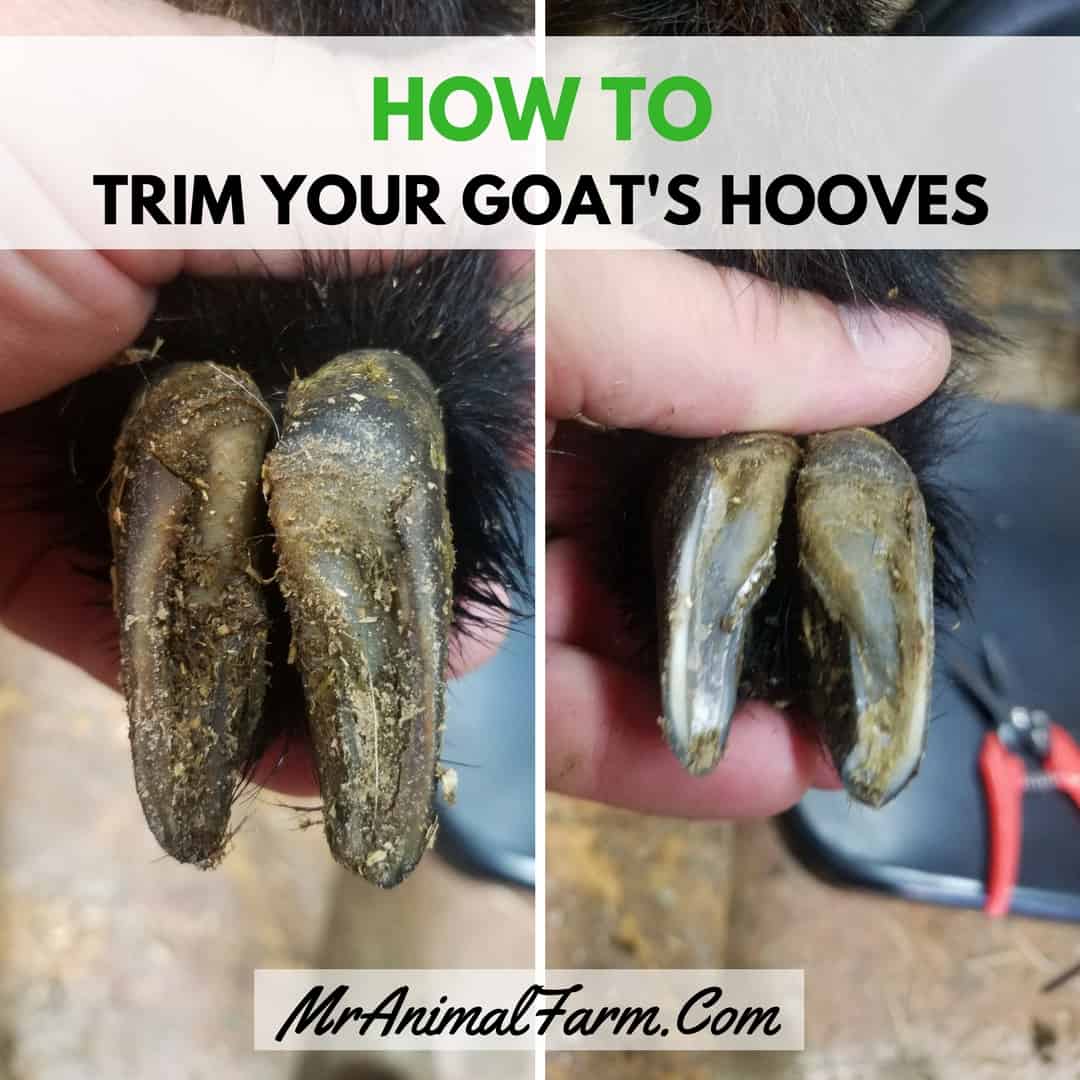
    They will also lay down if their feet are sore (so make sure that you know how to trim goat hooves well and keep them trimmed regularly).

    But, if they are close to their due date, their hooves are fine, and they are STILL laying around more than usual, you may want to start keeping a closer eye on them.

    Loose Ligaments

    One of the signs of early labor for goats is when your does ligaments get loose. You should start feeling your does ligaments before it gets close to her kidding time, that way you know what they feel like normally.

    The ligaments you will want to feel are her tail head ligaments.  If you feel at the top of her hip bones and run your fingers down towards her tail, you will feel her ligaments (they feel kind of like pencils).

    As your doe gets closer to kidding time, these ligaments will get softer and softer.  Once you can no longer feel these ligaments (you will literally be able to touch your fingers together around her tail head), then she should be kidding very soon.

    Of note, sometimes a doe will seem to loose her ligaments, but then they will come back some, only to go away again later.

    goat close to kidding no ligaments

    Full Udder or Bagging up

    Bagging up is one of the easiest signs on the early goat labor timeline to spot.  You will notice that your doe will start to get milk in her udder as her pregnancy goes on.

    However, once she is completely full -- her udder will look almost shiny and her teats will actually be full.  Once her udder is fully bagged up, she will be kidding very, very soon.

    goat with a full udder

    Sunken Sides or Babies Dropping

    Goats, like humans, will get a big pregnant belly.  Some goats will look more pregnant than others.  Their bellies will grow straight out to the sides.

    One of the signs of goat early labor is their sunken sides.  As the babies get ready to be born they will drop (also like humans)  and get lined up for birthing time.

    When this happens, your does sides will suddenly look sunken in.  This is a sign that kidding time will be coming soon.

    goat with sunken sides

    Change in Behavior

    Another of the goat kidding signs that you can look for is that a does behavior may change as kidding time comes close.  She may start to separate herself from the herd.

    Last year, the day before ourr goat Chloe gave birth, she stayed in the stall all day by herself instead of going out to graze.  Does who are really friendly may get a bit wild and does who are a bit wild may get much more friendly.

    Your girls may become much more vocal.  You may also see your girls show more interest in other newly born babies.  They may also start to paw at the ground and become restless.  These are definite signs of a goats early labor and you should expect kids soon.

    Need more help for your Kidding season? The Ultimate Goat Breeding Planner has you covered!

    Swollen Vulva

    You will notice your does vulva and vaginal area will start to swell.

    Isolation

    A doe getting close to kidding will start isolating themselves.

    Pre-Labor

    Once you have spotted some or all of the early stage signs you will know you're getting close. The next step in the goat labor timeline is pre-labor.

    In pre-labor you are just a few days or hours away from seeing your first kid. These signs usually show up a few days to a few hours before labor begins.

    Extra Discharge

    One of the signs of goat labor is extra discharge.  In our experience some of our goats had discharge before kidding and some did not.

    However, if your goat has discharge before kidding, you can be sure they will be kidding soon.  Just how soon, you can't be for sure as some goats will have this discharge a week or so before they actually kid.  But it is definitely a goat kidding sign you can watch for to know your does is getting closer to giving birth.

    One thing to look for; the discharge should be clear or a translucent white. In our experience, if it is tinted a red or brown color, there may be a problem.

    goat with discharge close to labor

    Talking

    You know you are getting close when your doe starts talking. This is not your typical goat call. This is a softer, lower sound. They will sometimes talk to you, they may talk to their belly, or answer back to other newborn kids calling for their mothers.

    Nesting

    Nesting is a natural instinct with goats. They are essentially preparing a nice, safe place for their kids to be born. Preparation may include pawing the ground, moving bedding material around, and testing different areas of their kidding stall until they get things just right.

    goat nesting prior to birth

    Stretching

    Your goat may be starting to show some signs of discomfort at this point. They will start doing various types of stretches like arching their back with their legs locked straight.

    They may also start standing on things with their front legs to try and move the babies into the correct birthing position.

    goat stretching

    1,000 Yard Stare

    The thousand yard stare is usually one of the final signs of pre-labor. They may be having contractions at this point, they just are not quite visible to us.

    You will know this stare when you see it. They will usually be acting normally, chewing their cud, when all of a sudden, they will freeze in place. They will often have a hyper focused, glazed over look in their eyes. After a short bit of time, they will "unfreeze" and go right back to chewing their cud.

    Sometimes they will also press their head against another surface, be it the wall, another goat, or you.

    Active Labor

    This is where things start to get exciting. These signs are clear that the waiting game is over, your goat is in active labor and you will have cute baby goats very, very, VERY soon!

    Contractions

    As we mentioned above, the thousand yard stare, and maybe even the stretching phase, is likely the start of contractions. These contractions, however, will be much more obvious.

    In addition to more stretching and staring, they will also start to raise their tail head and hunch with their belly. Their vulva will contract and expand.

    If they are laying down, they will likely do a lot of neck stretching. It isn't uncommon for them to roll to their side and stretch out one of their hind legs. They will usually stop chewing their cud during these contractions.

    Discomfort

    Goats will tend to become fidgety during this stage; moving from one spot to another in an attempt to get more comfortable and further move the kids into the best position.

    You may also notice them starting to grind their teeth and breath heavier.

    Pushing

    Usually after frequent contractions, specifically once they have started to roll and stretch out a leg, pushing is not too far off. The doe will tilt her body, bear down, and push.

    Often times, they will also grunt and curl their top lip, depending on how far back the baby is in the birth canal. At this point, the vulva will start to open.

    You will want to see your first kid within about 30 minutes of good pushing. If you don't have a first kid delivered in that timeframe, you want to go into the birth canal and check to see what is going on.

    Bubble

    After a bit of pushing, you will see a bubble start to come out. This is the birthing sack. Sometimes the first bubble will be small and filled with fluid.

    This bubble is roughly the same color and transparency of the discharge from earlier. You should be able to see through it enough to spot the baby goat's front hooves and maybe their head. They should be in diving position.

    goat birthing sack (bubble)

    Birth

    If all is going smoothly, she should be able to push the baby goat right out. If it seems like she is having trouble, you can assist her by pulling the baby a bit. You just want to make sure they are in a proper diving position.

    The bubble may or may not need to be popped once the baby is out. If it does not on it's own, you can do it for them. Use a towel and clear the fluid away from their nose and mouth then set them in front of their mother.

    Depending on how many kids she is carrying, she may go through the pushing through birth stages multiple times.

    Typically, after the first kid is born, you will see pushing and a second kid within a few minutes. Although, sometimes it can take longer and up to a few hours.

    After Labor

    The last stage of the goat labor timeline is after labor. Here are a few things that will happen immediately after your goat has given birth.

    Placenta

    After all of the kids have been successfully delivered, the goat will eventually pass her placenta. This can be immediate or take a few hours. She may or may not eat it. If she does, do not be alarmed, it is a source of nutrients for them and not at all dangerous.

    Clean Up

    Most of the time the new mother will be fine cleaning her babies on her own. We like to make sure that their nose and mouth are clean right away but otherwise, the doe will do a good job.

    goat cleaning newborn kid

    However, if it is too cold for them and she has multiple kids, we will assist in getting them dry so they do not catch a chill and become sick. You can do this with a towel or even a blow dryer on a low setting.

    Nursing

    Once the babies are clean, they will start to stand shortly after being born. They will experience varying levels of success in trying to nurse. You may need to help them find the teat, if they are having too much trouble.

    Final Thoughts

    That's all there is to it! Your first time may be a little scary since it's new, but these are the most common and consistent goat labor signs we have observed over the years.

    If you need more help getting your goat breeding running smoothly, check out The Ultimate Goat Breeding Planner - checklists, record sheets, supply lists and more to keep your breeding season going so you can enjoy the baby goats without worry.

    Access The Ultimate Goat Breeding Planner Here

    Prevent Frozen Waterers - How to Keep Waterers From Freezing

    By MrAnimal Farm

    Prevent Frozen Water


    You can't call yourself a farmer or homesteader until you have gone out in the freezing cold and broken up icy waterers.  But, we think that experiencing that once or twice is plenty enough for anyone.  There are several tips you can use to keep goat and chicken water from freezing.

    how to keep chicken water from freezing

    So, unless we move back to Florida (where winter is 50 degrees), we need to find ways to keep waterers from freezing in the winter-time.  (For more winter fun, check out these Winter Farm Activities you should try!)

    If you are trying to figure out how to keep your chicken water from freezing you may also need to know how to keep chickens warm in the winter and how to care for goats in winter.

    Here are some ideas for how to keep chicken water from freezing

    If you want to keep your chickens healthy, they need access to clean and fresh water regularly. Therefore, you would need to make sure that their water doesn't freeze and stay frozen.

    Now, they aren't like ducks who need pools of water, chickens can swim, but prefer not to. But they still need fresh drinking water, of course.

    We decided to break our list down into a few parts based on difficulty and convenience since there are so many different kinds of waterers; active, passive, electric, and other options.

    Let's start with active methods.

    Active Ways to Prevent Frozen Waterers

    Active methods of prevention are when you have to perform an action to keep the waters from freezing. They take the most time and effort but they are also very effective.

    Break It Up

    This does not actually keep the water from freezing but is simply a way to allow your chickens to drink. Go out several times throughout the day and physically break the ice on top of the water.

    You can then scoop the large chunks out which will help slow the freezing process down a little but not by much.

    This is obviously the least preferable method and you are probably here because you are sick of doing it. Read on for some better ways.

    Boiling Water

    The boiling water method is the most time consuming method on this list. It entails you boil water, carry it outside, and pout it into one or several frozen waterers.

    It works because the water is obviously well above the freezing temperature. However, warm and hot water freeze more quickly than cold water so you will end up taking boiling water out several times a day.

    We have found that you can just use really hot water from the tap, but it is not quite as effective as boiling water.

    The Bucket Swap

    There is nothing fancy about the bucket swap method. In fact, by it's name, you can probably guess how it works.

    Basically, you give your animals a bucket of water while leaving another bucket or two inside your home or heated barn. When the first bucket freezes you take a fresh bucket out and swap them.

    This allows the original bucket to thaw inside while the chickens continue to have a fresh, unfrozen water source.

    Need some help keeping your chickens health and care taken care of? Check out the Organized Chicken Keeper for an easy to follow system.

    Passive Ways to Prevent Frozen Waterers

    Passive methods are those that you have to put the effort in up front but will continue to work for you as time goes on. Some methods are more effective than others but are definitely easier than the active category.

    Deep Litter Stalls

    The absolute easiest passive method is so easy, you end up doing less hard work even before it gets cold outside. Deep litter is when you allow animal waste, straw, hay, and other organic material to build up a bit inside of their stall or pen. Not enough to be dangerous but enough that it will take the winter to compost down.

    Compost creates heat and can help raise the temperature in the stall a bit. If you are just barely under the freezing point, leaving the water in their stall may be enough, combined with their body heat, to keep the water from freezing.

    Sunlight

    The second easiest passive method is simply put their water in a spot that gets a lot of direct sunlight. The sun will heat up the ground, the water, and the waterer and will keep the water from freezing as quickly.

    Of course, if it is too cold, this won't make a huge difference but it can help a bit in more mild climates.

    Magnify It

    You can amplify the sun light a bit by sticking some glass or an old window between the water and the sun. This is obviously not a great idea with goats as they will likely break the glass and get injured. But with chickens, you can set something up pretty easily and make your own little solar heater.

    Black Rubber Tubs

    Instead of using larger buckets or metal waterers, we have switched to big, wide, black rubber tubs.

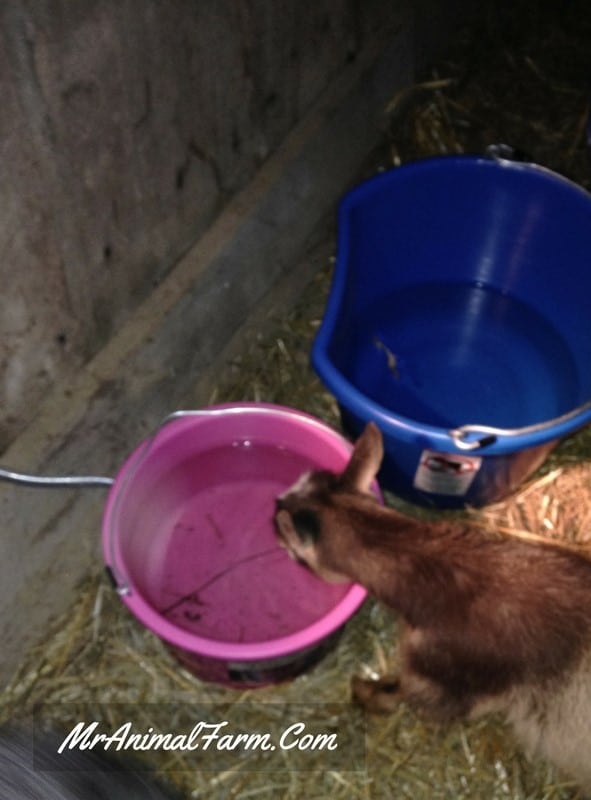
    rubber water bowls

    These are great for a couple of reasons. They are flexible and do not break easily. You can bend them and pop the ice right out. Plus, when placed in the sun, the dark rubber will absorb the heat of the sun and keep the water a little warmer than the outside air

    Best of all, they are pretty inexpensive!

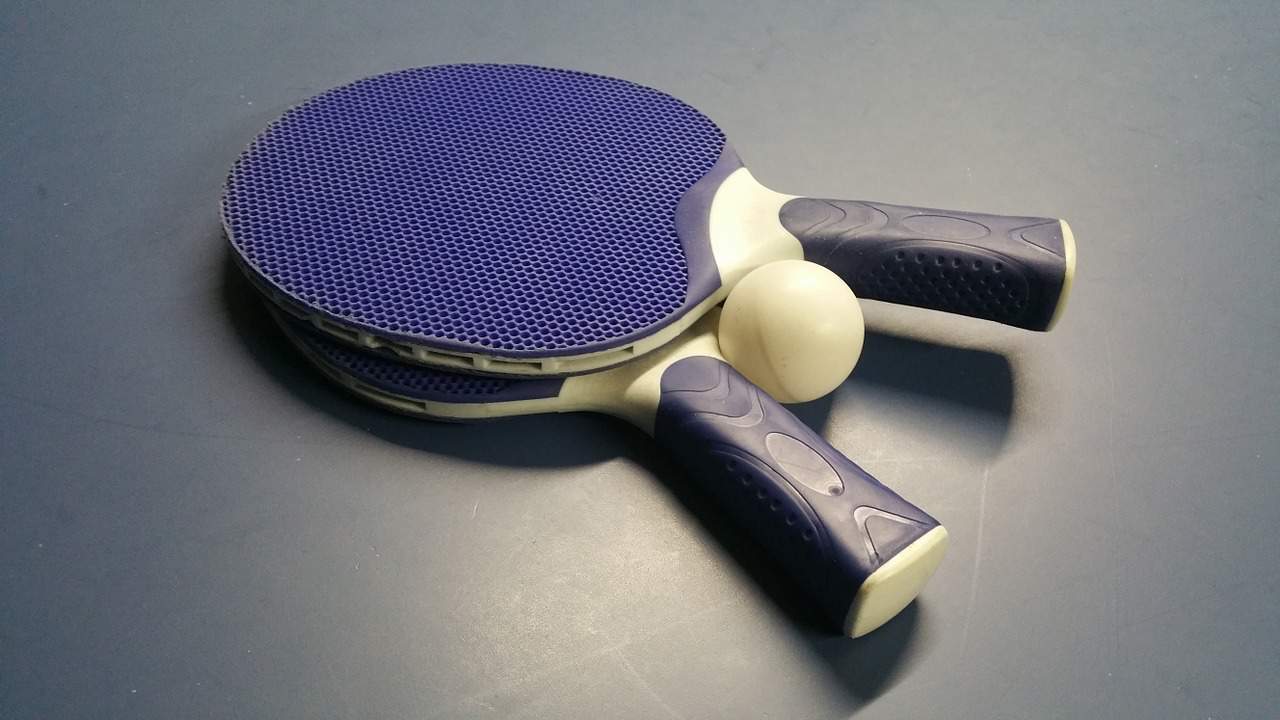
    The Ping Pong Ball Trick

    We saw a lot of people suggesting using ping pong balls in the waterer. The idea behind this is the wind blows, moves the ball and prevents ice build up. We saw it enough times so we decided to give it a try.

    ping pong ball and paddles

    What we found was the ping pong balls were hit or miss on whether or not they would prevent the water from freezing. However, the chickens LOVED having floating toys in their water.

    Your mileage may vary on whether this method works for you. We would definitely not try this in our goat or herd protecting dog's water. But for chickens, it's worth giving a shot.

    Salt Water Bottle

    This is another one of those methods that is very popular online but has mixed results. The science explanation we've read makes sense. Essentially, the salt raises the freezing temperature of the water in the bottle and thus keeps the temperature in the water bucket just high enough to not freeze.

    It seemed to be effective at times but it was not 100%. The water in the bottle did stay unfrozen most of the time though. And since it would float it did make it easier to find a weak spot to break the ice.

    Again, this one is probably dependent on how cold your area gets. If you want to try it, get a plastic soda or water bottle (the 16.9 or 20 oz bottles). Pour in about ¼ cup of salt and top it off with water. Screw the cap on tight and toss it in the water bucket.

    For the lucky ones, you will have access to electricity of some kind.  We have electricity in our big layer flock coop and our goat stall. (You can make all kinds of different DIY goat pens to suit your needs) Electricity will allow you to prevent frozen waterers by using heated waterers for your animals.

    Electric Ways to Prevent Frozen Waterers

    Using electricity is definitely the easiest and most effective method of keeping your waters from freezing. Any of these methods will reliably keep your water above the freezing temperature.

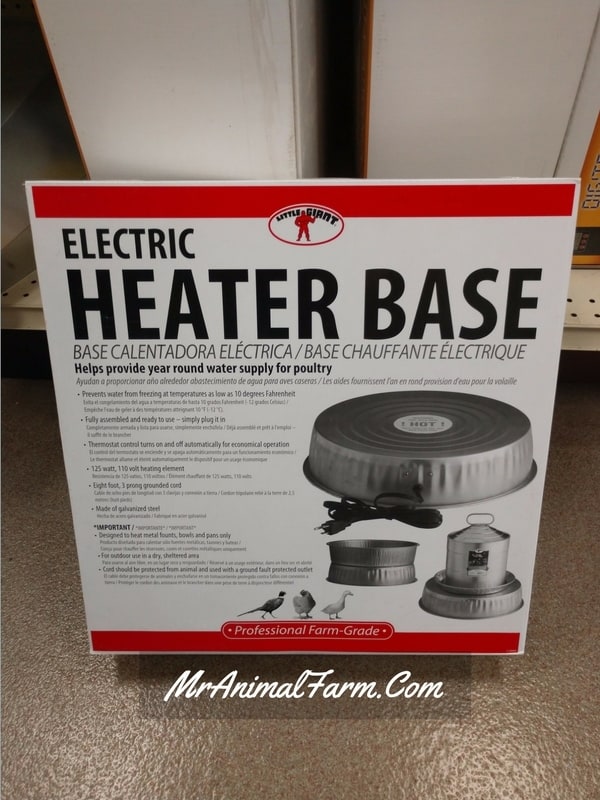
    Heated Base

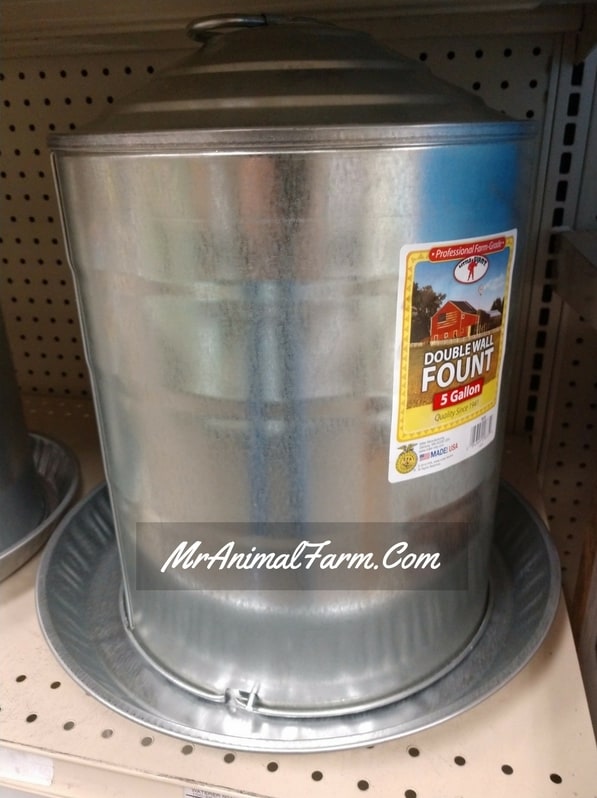
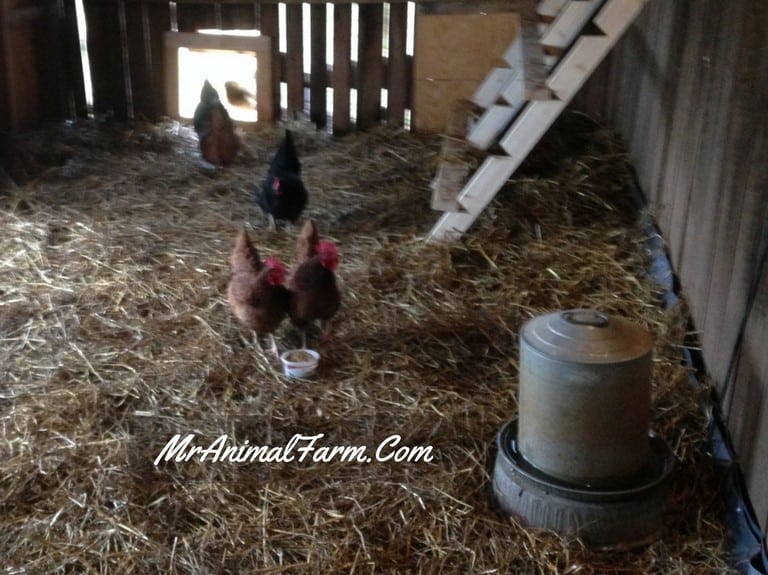
    We, like most chicken farmers, use traditional, double walled metal waterers. The double walls actually do a pretty decent job at insulating the water from freezing. However, the metal does get cold quickly and when the outside temperature really drops, the double walls don't really do enough.

    Prevent Frozen Water
    chickens in coop with metal heated water

    So we have a heated metal base that keeps their water from freezing. It's small, lightweight, and waterproof so it works really well for our flock. It plugs into any standard 3 prong outlet.

    heated base for metal waterers in the box

    Heated Buckets And Bowls

    For the goats, we switch them over to a plastic heated bucket.  They are really convenient and keep the water just above the freezing temperature but not high enough to be a fire hazard.

    heated plastic buckets to keep water from freezing

    The power cord is also wrapped in a metal coil to discourage any chewing from curious goats and mischievous guard dogs.

    If you want something a little smaller you can also get heated dog bowls that work the same way.

    Tank De-Icer

    You can also get tank de-icers which look kind of like a coil that you drop into the bottom of the water bucket. These are great if you have a larger herd and don't want to drain your water trough for the winter.

    The Old Light Bulb In The Cinder Block Trick

    This one requires a little bit of handiwork on your part but can be a fun little project if you're into it.

    You need a cinder block, flat paving stone around the same width and depth, a 100 watt lightbulb and matching light socket.

    You will want to mount the light socket inside of one of the holes in the cinder block and turn the bulb on. Place the paving stone across the top completely covering both openings.

    Place the waterer on top of the cinder block. The light bulb should keep the cinder block warm enough to keep the water from freezing.

    Be aware that an exposed lightbulb and electrical equipment near water and in a coop can be a fire hazard. Please take all needed precautions if using this method to avoid a coop or barn fire.

    The Heated Coop

    This is the most expensive, and impractical, method but it is sure to keep your waters flowing. You can build a heated coop. Whether you have heated water running through the walls, forced air, or some other method, an insulated and heated coop will keep your waters from freezing.

    Other Options

    Alternatively, if you have electricity, but maybe not directly in your coop, you can always run an extension cord.  Make sure you follow safety rules.

    Don't put it where animals can chew it, make sure to inspect regularly for damage  etc.  We do this for our growout coop which is a few feet from our goat stall.  In the growout coop we use a heated plastic poultry waterer.

    For the plastic bucket and the plastic waterer, we do change these out during times that we don't need them.  The reason we do this is that they are pretty expensive. So we like to put them away and not risk them getting broken when they are not in use.

    This year, we will be facing the no electricity situation for a few of our breeder coops.  They are spaced significantly away from the barn and we are hesitant to run extension cords all over.

    Plus, buying several heaters for 5 pens could get pretty expensive. However, we still need to figure out how to keep these chicken waters from freezing.

    So, this year we will leave their small regular waterers in their coops with them at night, but we are also supplying them with big, wide, rubber bowls in their run area.

    What ideas do you use to keep waterers from freezing on your homestead or farm in the winter?

    If you need more help with taking care of your chickens, check out The Organized Chicken Keeper for a complete system for managing their health through keeping their supplies stocked and coop clean.
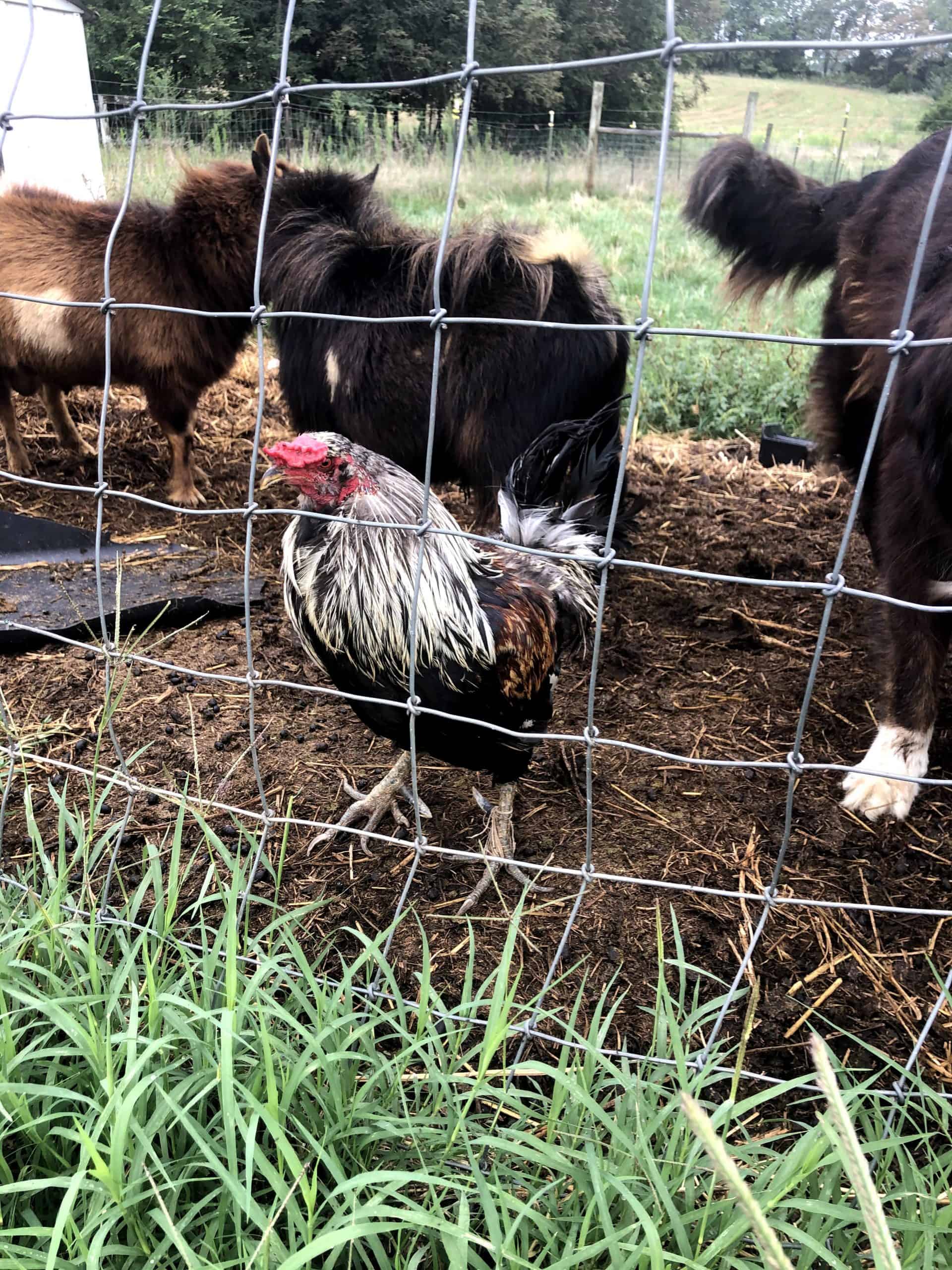
    Access The Organized Chicken Keeper Here

    Do Chickens Eat Ticks

    By MrAnimal Farm

    tick on leaf

    We noticed after opening up our chicken run and allowing the flock to free range that we saw a noticeable drop in the number of ticks we saw. This prompted us to ask, "Do chickens eat ticks?".

    tick on leaf

    Anyone who has ever worked on a farm or homestead understands, all too well, how big of a problem ticks can be. They are invasive and, when left unchecked, can cause any number of diseases and illnesses.

    These issues can not only affect your livestock, but also pets and family members.

    So, Do Chickens Eat Ticks Or Not?

    There has not really been a lot of research done on the subject, to be honest. However, we do know of one study done in Africa in 1991. Their result was that, yes, chickens eat ticks.

    A flock of chickens were added to a tick infested livestock pen. They were allowed to free-range for 30 minutes to an hour. Afterward, they were dissected and were found to have ticks still remaining in their crop.

    And it wasn't just a few ticks. Each chicken had anywhere between 3 and 331 ticks. During this test, the average chicken ate a whopping 81 ticks! Another interesting note is they showed a preference to unengorged ticks as opposed to ticks that had already found a host.

    Other Evidence?

    Aside from that study, there has not been much other verifiable proof that chickens eat ticks. However, there is a whole lot of anecdotal evidence. Ask just about any farmer and they will swear that chickens, as well as Guinea fowl, work wonders at cutting down the tick population.

    What are ticks

    Ticks are small, parasitic creatures. They find a host, climb onto them and attach themselves, by the mouth, to an area in which they can draw blood.

    They will feed on their host as long as they can until they are either removed or become engorged.

    When do they come out?

    Ticks tend to show up during the warmer months of the year and die off once things get cooler. There has been talk that, with the rise of global temperatures due to climate change, the season of ticks, and other parasites, seem to be starting earlier and ending later.

    Why do you want chickens to eat them?

    Aside from being pests, ticks can, and do, spread a variety of diseases. Some of these illnesses can infect both humans, livestock, and pets.

    Need some help keeping your chickens health and care taken care of? Check out the Organized Chicken Keeper for an easy to follow system.

    Tick Diseases

    There are a number of tick spread diseases that can wreak havoc on your health. Some of the most well known illnesses are Lyme disease, Colorado tick fever, and Rocky Mountain Spotted Fever.

    Some others are:

    • Anaplasmosis (found in the north east and upper midwest in the United States)
    • Babesiosis (found in the north east and upper midwest in the United States)
    • Bourbon virus (found in the Midwest and southern US)
    • Colorado Tick Fever (found in the Rocky Mountain states)
    • Heartland virus (found in the midwest and southern US)
    • Lyme Disease (found in the north east and upper midwest in the United States)
    • Powassan Disease (found in the Great Lakes region and northeast US)
    • Rocky Mountain Spotted Fever (found across the US, Central, and South America)

    According to the CDC, some of the more common symptoms of tick born diseases are:

    • Fever/chills
    • a variety of body aches and pains (joints, headache, muscle aches, fatigue, etc)
    • rash

    How To Avoid Ticks

    The best way to cut down on your tick population is to make sure they do not have an environment in which they can thrive. Your flock of chickens is a good start. Some other things you can do is:

    • pick a breed of chicken that is a good hunter and forager like a Buckeye or Welsummer
    • make sure your grass is always cut short
    • keep dead leaves and grass clippings picked up
    • have your pets on a good flea and tick prevention
    • use bug spray
    • wear long sleeves, long pants, and boots when in high risk areas
    • check yourself, kids, and pets after walking in high risk areas
    • remove ticks immediately if found

    How To Remove A Tick Safely

    If you have a tick attached to you, you want to remove it as quickly as you can. You also want to make sure that you do not leave the head or any mouth parts behind in the wound.

    To do this you can either use a small, sharp pair of tweezers, or a specialized tick removal tool.

    Simply, place the end of the tweezers at the base of the tick, right against your skin, pinch the tick without crushing it (this can cause the tick to regurgitate back into your skin), lightly pull and twist. This should cause the tick to release and not leave anything behind.

    After removal, flush the tick down the toilet and immediately clean and treat the affected area.

    If you need more help with taking care of your chickens, check out The Organized Chicken Keeper for a complete system for managing their health through keeping their supplies stocked and coop clean.
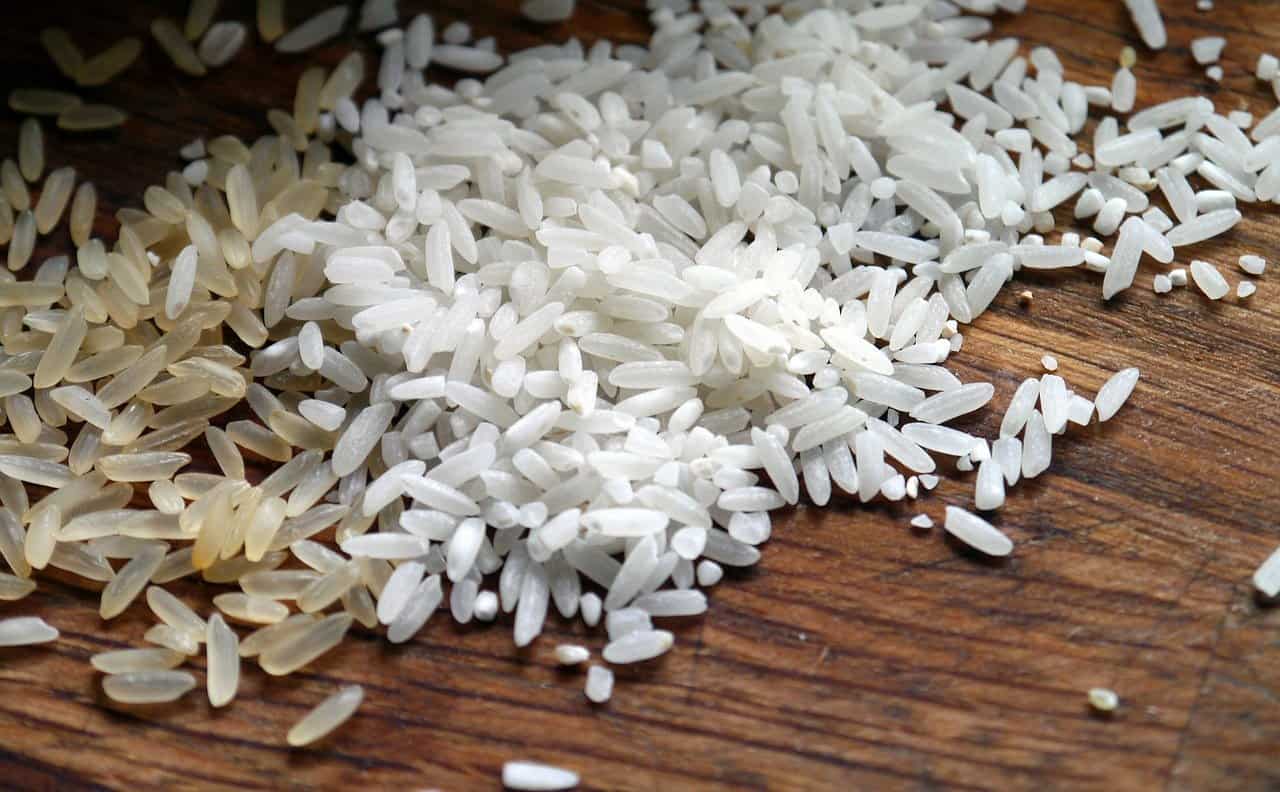
    Access The Organized Chicken Keeper Here

    The Ayam Cemani Chicken

    By MrAnimal Farm

    ayam cemani rooster

    The Ayam Cemani chicken may be the most unique breed of chicken you will ever see. If you have never seen one before, you are in for a treat!

    ayam cemani rooster

    You can very well see, in the above picture, the Ayam Cemani is unlike any other chicken you have ever seen.

    Their appearance is certainly an eye catching conversation starter. However, not only are they beautiful to look at, they are also some of the friendliest and docile chicken breeds available today.

    Let's took a look at some of the history and genetics behind this mysterious looking breed.

    Everything About Ayam Cemani

    History and Origin

    The Ayam Cemani is believed to have originated as far back as the 12th century. The name is derived from two languages, Indonesian and Javanese. "Ayam" is the Indonesian word for chicken while "cemani" is believed to be taked from the Javanese word meaning "thotoughly black (to the bone)"

    The first breed appeared on the small island of Java, Indonesia. There it was bred and cultivated over centuries. It did not make it's way over to Europe until 1998 when a Dutch breeder named Jan Steverink imported them in.

    Currently, there are only around 3,500 Ayam Cemani chickens world wide. The largest flock of breeding pairs is maintained by a Congolese-Belgian philanthropist named Jean Kiala. They are a part of a breeding program called the African Ornamental Breeder Association (AOBA).

    Recognition

    The American Poultry Association has yet to recognize the breed. However, the Ayam Cemani Breeders Association (ACBA) currently has a breed standard of perfection.

    What Do They Look Like?

    The contrast between an Ayam Cemani and, really, any other breed of chicken is quite stark. In the image below, you can really appreciate just how striking this breed is compared to a more commonly colored chicken.

    Color

    The single most distinguishing, and desirable, feature of the Ayam Cemani chicken is its distinct coloring. Every single feature of this breed is a deep, deep black.

    The feathers, the skin, beak, tongue, feet, everything right down to their bones and internal organs.

    How is it that a single breed of chicken can be one single color, literally, right down to the bone? It is because of a dominant gene which causes hyperpigmentation or fibromelanosis.

    Hyperpigmentation aka Fibromelanosis

    Ayam Cemani are known for their all black appearance - both outside and inside. This all black appearance is due to hyperpigmentation known as fibromelanosis.

    You may be familiar with this fibromelanosis as it also occurs in another breed which is a bit more well-known, Silkies.

    What causes this hyperpigmentation? Scientists have shown that it is due to a duplication of a particular gene. That gene is known as EDN3.

    This duplication causes a large amount of black or dark pigment melanin to show in tissues - both internal and external (skin).

    Although this gene duplication and the responding fibromelanosis was something that occurred in the wild, it is a trait that has been heavily selected and bred for which has worked to further solidify this characteristic in the breed.

    Need some help keeping your chickens health and care taken care of? Check out the Organized Chicken Keeper for an easy to follow system.

    Feathering, Comb, & Wattles

    The feathers of the Ayam Cemani are typically tight and uniform against the body with little to no fluff and is jet black in color. However, roosters will sometimes have an iridescent turquoise/green/purple sheen to it when the light is at a certain angle.

    Their head looks very similar to other single comb breeds, like the Rhode Island Red. The obvious difference is their comb, wattles, earlobes, beak, tongue, and eyes are all completely black.

    The comb and wattles on a chicken are used to help regulate the body's temperature. Blood flows through the thinner skin and is either heated or cooled. That blood is then recirculated throughout the rest of the chicken's body thus cooling or heating it appropriately.

    Additionally, the Ayam Cemani has black legs with four toes on each feet.

    Size

    This is not a particularly large breed of chicken. They are more compact, strong, and muscular. Their body type is described similarly to a game bird.

    Ayam Cemani hens are pretty small. They generally only weigh between 3 and 4 ½ lbs. As with most breeds, the roosters are larger, but not by much in this instance. The roosters average a weight between 4 ½ and 5 ½ lbs.

    Breed Standard

    As we mentioned above, the Ayam Cemani Breeders Association has their own breed standard of perfection. Some of the highlights include:

    • large, deeply serrated comb with 5 points
    • completely black skin
    • completely black feathering
    • muscular, game like, body confirmation
    • black legs with 4 toes on each foot

    What can disqualify a chicken from meeting the standards of perfection?

    • Any color in the mouth other than black or gray
    • feathering of any color other than black
    • toenails any color other than black

    What Are They Like?

    We like to break this down into two sections; temperament (what they do) and personality (why they do it).

    Temperament

    Ayam Cemani hens are known to be good mothers. They are also known to go broody fairly often. Both of these things may seem normal, but are kind of odd when you hear that they are terrible setters. They tend to not set long enough for their young to hatch.

    If you are wanting to raise your own Ayam Cemani, you will likely need to incubate the chicken eggs on your own with an incubator. Alternatively, you could use a broody hen to help hatch them.

    This breed loves to forage and free-range. They are excellent hunters and will clear your yard of the majority of unwanted pests, like ticks. They also make great watch dogs as they are a very alert breed. Not much goes on in their yard without them knowing.

    Personality

    These chickens are a very sweet and loving breed. They do well with other chickens, pets, livestock, even small children. Not many other breeds are as docile as they are.

    They are generally a pretty peaceful chicken. Rarely are they skittish or flighty. If they have a safe place to shelter on your homestead, they will be in paradise.

    What Is Their Purpose?

    The Ayam Cemani has different purposes depending on where they are located. There are some societies that use them in religious ceremonies. Others use them for ritualistic medicine. Some cultures, where they are more common, insist the black skin and meat is better than other chicken meat.

    They do not necessarily qualify as a dual purpose chicken since they are not particularly big or very reliable egg layers. In the US, they are raised for poultry shows and breeding programs.

    Show

    Like the Polish chicken, in the United States, the Ayam Cemani is primarily an ornamental, or show breed. Since they are not recognized by the APA, you won't see them at any of their sanctioned shows. But you can find them through various poultry clubs.

    Eggs

    This breed is notoriously unreliable when it comes to laying eggs. You can expect to get anywhere from 60 to 80 eggs per year. That's only an egg or two a week. They also will just stop laying for months at a time.

    If you are wanting a breed for farm fresh eggs, this is not the breed for you. You will likely want a breed like the The Buckeye Chicken, Sussex, or the Leghorn.

    Meat

    Some cultures say the meat of the Ayam Cemani is second to none. Allegedly, the darkness of the meat and skin is juicier and more flavorful. With a $2500 price tag and a couple years long waiting list, we're just going to have to take their word for it.

    Pets

    One thing that is agreed upon by nearly all Ayam Cemani breeders is that they are super docile and gentle. They are great around children, even so patient as to let small kids play with them without a single peck.

    If you are able to find some, they integrate well into existing flocks and are tolerant of other animals like livestock and pets.

    What Care Do They Need?

    Fortunately, Ayam Cemani chickens do not require any different care than other chickens in your flock. The two main areas of health are diet and shelter.

    Diet

    As we mentioned, these chickens are great foragers and love to free-range. Hunting bugs and pests can help to supplement their diet quite a bit. However, foraging for food is not always 100% consistent.

    You want to make sure that your chickens are getting a complete and balanced diet. You can easily do this with a good layer feed and one of the best chicken feeders from your local farm store. This will ensure that your feathered friends will get all of the nutrients they need.

    In addition to a full chicken feeder, they will also need to have regular access to a clean water source. You do not want your chickens to dehydrate. Make sure you have a good chicken waterer and it is kept clean and that you know how to keep waterers unfrozen when it's cold.

    Shelter

    This probably goes without saying but, chickens are not at the top of the food chain. In fact, most predators see them as an easy lunch. They need a solid and safe shelter to roost at night. If they don't have this they are sitting ducks (or chickens, as the case may be).

    A good shelter or coop is one that is kept clean and well ventilated. If you live in an area that gets really cold, you may want to take steps to keep their coop warm enough for them. As this is one of the keys to keeping chickens warm in the winter.

    Chickens need about 2 to 3 square feet of coop space each. We have fond that our chickens do better with 4 square feet. If you are giving them an enclosed run instead of free-ranging, they will need about 12 square feet of run space each.

    Ayam Cemani Health Issues

    Fortunately, Ayam Cemani chickens are pretty hardy and do not suffer from any breed specific health issues. As long as they have access to plenty of food, fresh water, and a clean living space/shelter, they will live long and happy lives.

    Similar Breeds

    While the Ayam Cemani is unique in the respect that every physical feature of them is completely black, other than their blood, there are some other breeds that are similar. Each of these breeds have a varying degree of black skin and feathers.

    • South American Black Quechua Olmec
    • Black Sumatra
    • Rapanui
    • Silkies
    • Swedish Svart Höna

    Common Questions

    Obviously, such a unique breed of chicken spurs many questions. Here are some of the more common questions we found during our research.

    How do you pronounce Ayam Cemani?

    The way you pronounce Ayam Cemani is eye-yem suh-mah-nee.

    Why are they so popular/Why are they so expensive?

    Ayam Cemani are so popular because they are so rare. This is also why they come with such a hefty price tag. Do not be shocked to pay up to $5,000 or more for a breeding pair!

    Where can you find one?

    Currently, Ayam Cemani are available in the United States, various parts of Europe, and Indonesia. There are around 3,500 Ayam Cemani in the world today. If you want one, you will have to put in serioues time in research to find one that meets breed standards.

    What kind of personality do they have?

    Ayam Cemani have a reputation of being a very gentle and docile breed. Even the roosters are more calm than most other breeds.

    Why are they black?

    Ayam Cemani possess a dominant gene that causes fibromelanosis, or hyperpigmentation. This gene causes them to be completely black; beak, feathers, skin, bones, even internal organs!

    Do they lay black eggs?

    No, Ayam Cemani do not lay black eggs. They lay a medium sized, cream colored egg.

    Are they good for a backyard flock?

    Ayam Cemani are known to be a gentle and docile breed. Their personality would make them a good backyard breed. However, their shockingly large price tag makes that a bit impractical.

    Are they cold hardy?

    Yes, Ayam Cemani chickens are very cold hardy. They do very well in most climates.

    Can you eat them?

    Yes, you can eat Ayam Cemani. However, they are way too expensive to just cook up as a regular meal. It is said, though, that the black skin and meat flavor is superior to any other chicken.

    Conclusion

    As you can see, the Ayam Cemani is truly one of the most unique breeds of, not only chickens, but any kind of animal. They are genuinely one of the sweetest breeds anyone could add to their flock.

    If you are wanting to add some to your breeding program, be prepared to pay a lot of money, and exercise much patience while cultivating your own specific line. It is difficult and frustrating, but in the end, it is truly satisfying!

    If you need more help with taking care of your chickens, check out The Organized Chicken Keeper for a complete system for managing their health through keeping their supplies stocked and coop clean.
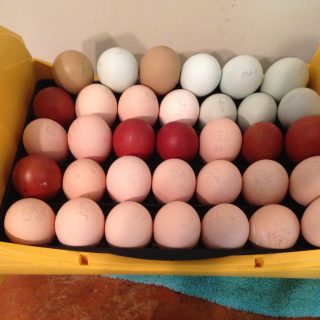
    Access The Organized Chicken Keeper Here

    The Sussex Chicken

    By MrAnimal Farm

    speckled sussex chicken in coop

    The Sussex Chicken is the perfect addition to just about any flock. They make great meat birds, lay a ton of eggs, or can be the friendliest backyard chicken friend you will ever meet.

    speckled sussex chicken in coop

    Sussex Chickens are some of the more reliable layers around. They will give you several large, light brown eggs a week. Their size also makes them excellent protein sources for those who like to raise their own food.

    The Sussex is very cold hardy but also fares well in warmer climates too. Which makes them an easy to care for chicken.

    Lets take a deeper dive into some more of this breed's history, personality, and appearance.

    Everything About The Sussex Chicken

    Origin And History

    The Sussex Chicken is one of the oldest breeds known today. It's first known place of origin was, appropriately, Sussex, England.

    One of the first recorded instances of the Sussex Chicken was in 1845 at an exhibition for the London Zoo. It was billed as the "Old Sussex" or "Kent Fowl". It is likely that these birds were of the Speckled Sussex variety as it is believed to be the oldest of the initial recognized colors.

    The breed standard was set in 1902 and consisted of the Light, Red, and, the previously mentioned, Speckled Sussex.

    Appearance

    The Sussex is a fairly large bird, with the roosters getting up to 9 lbs. They have a stocky build and look adorable as they waddle around foraging for food.

    old speckled sussex hen

    Color & Feathering

    Sussex Chickens are officially recognized by two of the largest poultry organizations out there. Those organizations are the American Poultry Association (APA) and the Poultry Club of Great Britain.

    The American Poultry Association only recognizes three colors while the Poultry club of Great Britain recognizes eight. Those recognized colors are:

    American Poultry Association

    • Light
    • Red
    • Speckled

    Poultry Club of Great Britain

    • Brown
    • Buff
    • Coronation
    • Light
    • Red
    • Silver
    • Speckled
    • White

    Size

    The Sussex Chicken is considered to be a large breed. Both the hens and roosters of this breed can get pretty big.

    Hens are generally smaller than roosters and that is no different here. However, a Sussex hen can still grow up to 7 lbs on their own! The Sussex rooster can get all the up to a whopping 9 lbs!

    You can also find Bantam Sussex Chickens. You may already know that Bantams are typically about one third of the size of the standard breed. For example, a Bantam Sussex hen will weight somewhere around 2.5 lbs while a Bantam Sussex rooster may weigh around 3.3 lbs.

    Comb and Wattles

    The Sussex Chicken's comb is a bright red, single comb. They also have a small set of bright red wattles under their beak.

    The comb and wattles of a chicken is one of the ways the bird is able to regulate it's own temperature. Similar to an elephant's tusks, blood circulates through them, is cooled or warmed and then recirculated back through the body. This keeps the chicken's core temperature at the desired level.

    Miscellaneous

    Other notable features of this breed are their bright red earlobes, white legs, white skin, and four toes.

    When they were initially bred as table birds, they gained a good reputation as being very flavorful. Their light skin coloring and, oddly enough, number of toes, was a sign that they came from a well sourced flock.

    Need some help keeping your chickens health and care taken care of? Check out the Organized Chicken Keeper for an easy to follow system.

    What Are They Like?

    One thing that is great about the Sussex Chicken is how docile and friendly they are. They are also a great bird for beginner's because of how low -maintenance they can be.

    Temperament & Personality

    We had a Speckled Sussex hen for almost 8 years. She was incredibly friendly and, honestly, one of the sweetest chickens we've ever had.

    It is not uncommon for a Sussex to come out and meet you whenever you end up near their coop or wherever they happen to be foraging. Even the roosters are more gentle than other breeds of rooster.

    If you have small children or are just getting the family into backyard chickens, the Sussex is an excellent choice. Since they are so docile, small kids will be safe around them as they do not mind being pet or even picked up. They are also low maintenance and will not give you very much trouble keeping them healthy.

    Their docile and non-aggressive nature is not without it's drawbacks, unfortunately. Since they are so mellow, they often find themselves at the bottom of the pecking order. So, if they are paired with more aggressive birds, they will likely get picked on.

    Foraging

    Sussex Chickens LOVE to forage! They will spend all day in your backyard scratching around, eating any little bug, worms, grubs, and larvae they can find.

    They are great at keeping annoying bugs under control, like ticks and other pests. If you have a garden, they will also help keep some of the more invasive bugs from destroying your crops. Just make sure they don't get a taste of the crops too!

    Eggs

    Sussex Chickens are very reliable egg layers. Their eggs tend to be on the larger side and a light tan or tinted color.

    How often these chickens lay eggs will depend on their age and health. But at average age and good health, they will lay anywhere between three and five eggs per week for you.

    Cold Hardy or Heat Hardy

    These chickens are survivors. They are able to live in both hot and cold environments. If you live in a particularly warm climate, they will do fine as long as they have some sort of shade or shelter from the heat.

    Those that live in colder climates will see them do just fine. So long as they have ready access to a warm, dry, well ventilated coop, nutritional feed, and clean water, you should see no ill effects during the Winter months.

    What Is Their Purpose?

    Introducing new chickens to your existing flock is often done for a specific reason. You may want a steady stream of farm fresh eggs. Perhaps, you may want to try out growing your own meat sources. You may just want your own little backyard buddy.

    When a chicken has more than one viable market purpose, we call them dual purpose chickens. All that means is that they can be used for both egg production and/or as table birds.

    Around here, we call them tri-purpose. Since they are so friendly, they can also be considered pets. Although we don't really advocate that you eat your pet, so maybe they are still just dual purpose.

    Pets

    As we mentioned earlier, these chickens are incredibly docile, friendly, and curious. They have never met a stranger and love to be cuddled. Their easy going, mellow personality is a perfect fit for both new chicken farmers as well as seasoned veterans of the craft.

    Eggs

    The Sussex Chicken is a very productive egg layer. As we mentioned, they will reliably lay large, tinted or light brown eggs.

    Your average hen will lay anywhere from 180 to 200 eggs a year. However, there are some hybrid strains that have reported up to 320 eggs in a year! That's an egg almost every day of the week.

    Meat

    Sussex Chickens get pretty big. If you are raising and hatching your own chicks, you now have something to do with all of those roosters! In fact, during the time or World War II the Sussex and the Rhode Island Red were the primary meat birds in the United Kingdom.

    The Sussex Rooster can get up to 9 lbs. That's about ¾ the size of your average Thanksgiving turkey. Even the hens are large enough for a decent meal too. If you retire them once they are no longer laying, a 7 lb hen can make a good stewing hen.

    Since they grow so large and are quite the productive layers, Sussex Chickens make great dual purpose chickens.

    Common Questions

    We cam across some of these questions while researching for this article.

    Are Sussex chickens good layers/Do Sussex chickens lay eggs/How many eggs does a Sussex chicken lay?

    Yes. Sussex Chickens, when in good health, are reliable egg layers. You can expect anywhere from 200 to 320 eggs per year.

    Do Sussex chickens go broody?

    Yes. Typically, when the season turns warmer, some varieties of Sussex will go broody.

    How big do Sussex chickens get?

    Sussex are considered a large breed chicken. The hens can get up to 7 lbs while the roosters get all the way up to 9 lbs.

    They can also be a Bantam breed with the hens weighing around 2.5 lbs and the roos around 3.3.

    What age do Sussex chickens start laying?

    Like most breeds of chickens, they will start laying between 18 and 20 weeks of age.

    Are Sussex chickens aggressive?

    Not at all. They are very friendly and docile. This is both a blessing and a curse as they are very often at the low end of a flock's pecking order.

    Are Sussex chickens noisy?

    Not particularly. Due to their docile nature, the Sussex Chicken is relatively quiet.

    How long do Sussex chickens live?

    A healthy and well protected Sussex can live anywhere between 5 and 8 years. This is about how long most chicken live.

    Can Sussex chickens fly?

    Most chickens are able to get off the ground for short spans. Sussex chickens tend to be on the heavier side of poultry and are not very prone to flying.

    Are Sussex chickens cold hardy?

    Absolutely! Their large size keeps them well insulated during the cold weather. They are very cold hardy.

    What are Sussex chickens used for?

    Sussex Chickens are what is known as a dual purpose chicken. That means they are able to be used as meat birds as well as for the high egg production.

    Is Speckled Sussex rare?

    The Standard size is not particularly rare. However, the Bantam Speckled Sussex is very rare.

    Conclusion

    If you've made it this far you know how great a bird the Sussex Chicken can be!

    They are very productive layers. They can be excellent food sources. Or they make perfectly nice feathered companions.

    If you want to start a flock or add some new chickens to your current one, you can't go wrong with the Sussex Chicken.

    If you need more help with taking care of your chickens, check out The Organized Chicken Keeper for a complete system for managing their health through keeping their supplies stocked and coop clean.
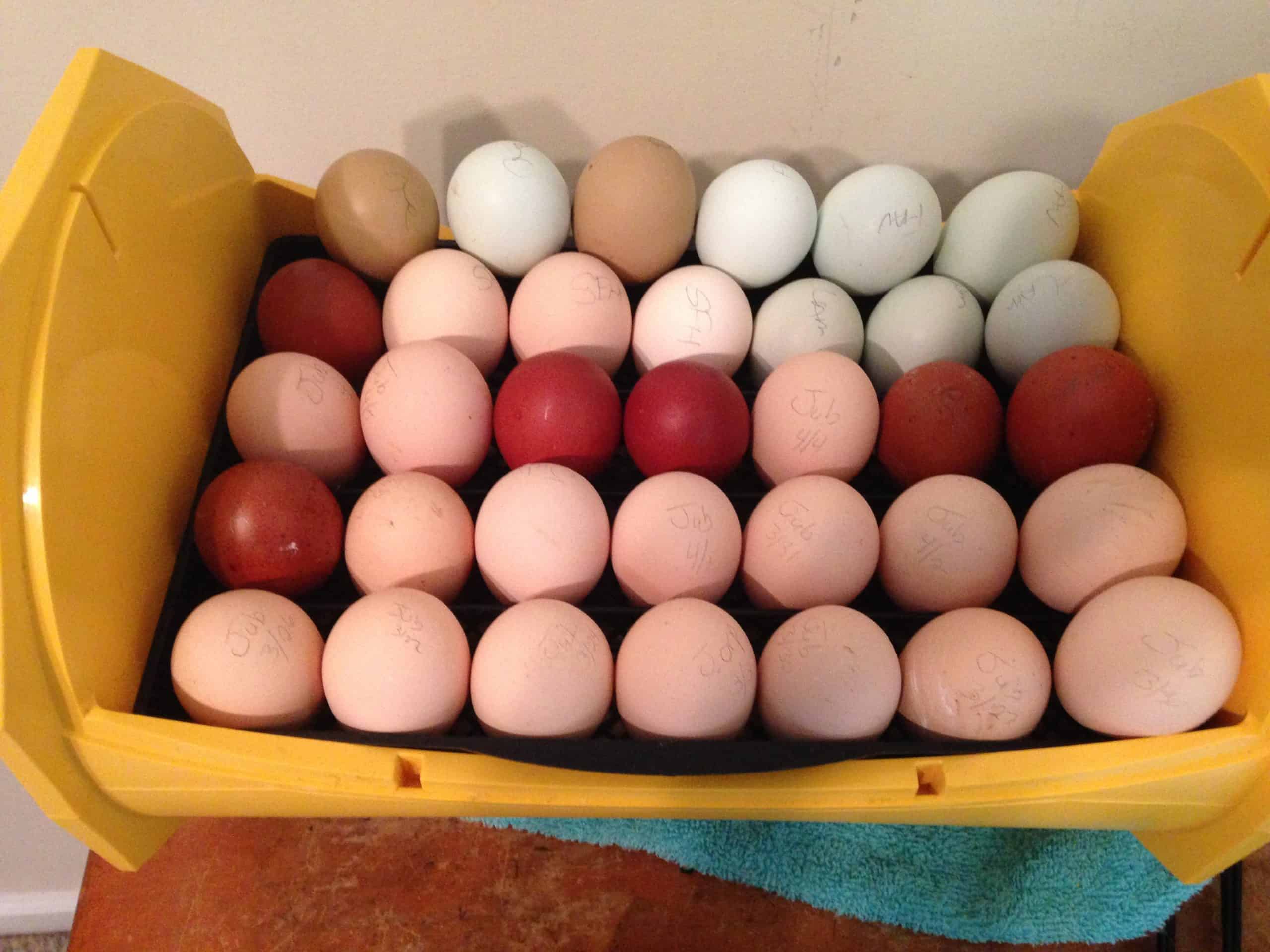
    Access The Organized Chicken Keeper Here

    The Buckeye Chicken

    By MrAnimal Farm

    The Buckeye Chicken is a great chicken to add to your flock no matter what you're looking for. They are big, productive, and some of the most docile and friendly chickens you can find!

    buckeye chicken rooster
    By Melinda Sayler - Flickr, CC BY-SA 3.0, https://commons.wikimedia.org/w/index.php?curid=4004547

    If you want to add in a reliable layer that will give you large brown eggs, the Buckeye Chicken is perfect. They can also make great meat birds due to their large size.

    This breed is especially cold hardy and great for any backyard flock! Let's dig a little bit deeper and learn some more about this breed's history, appearance, behavior, and more!

    Everything About The Buckeye Chicken

    Origin And History

    The Buckeye Chicken is a purely American Breed of chicken. It was first developed around 1896 in Warren, Ohio by a homesteader named Nelly Metcalf. She tended the poultry for her family and wanted to have a breed that was large, productive, and could stand up to the cold Ohio winters.

    After different attempts that were not to her liking, she eventually crossed Barred Plymouth Rocks, Buff Cochins, and some local black breasted red game birds. The result was what we now know as the only APA recognized breed created by a women; the Buckeye Chicken.

    There is a bit of confusion behind the name of the chicken. It is often assumed the name comes from the state of origin. Ohio is known as the Buckeye State. However, this breed is also a deep mahogany color which is the same color as the seed from the Buckeye Plant.

    The American Poultry Association officially recognized the Buckeye Chicken in 1904. They assigned their own "Standard of Perfection" meaning these chickens could be entered into various poultry competitions across the United States.

    The breed has varied in popularity over the years. In the past it was confused with a Rhode Island Red, or dismissed as a strain of the Rhode Island Red. This passive attitude and fluctuation in public interest toward the breed led to a steep decline in the population.

    Conservancy Efforts

    Buckeye chickens were included in the Slow Foods USA Ark of taste list. The Ark of Taste is a list of heritage foods that are in danger of becoming extinct. Conservation groups have been working to improve the breed and, hopefully, have them removed from the list some day.

    As it currently stands, there are around 5,000 breeding pairs in the United States and just 10,000 world wide.

    If you want to become involved or are interested in adding some to your flock, there are some organizations dedicated specifically to the Buckeye Chicken. You can see if they have any information for you locally.

    • American Buckeye Club
    • American Buckeye Poultry Club

    Appearance

    As we mentioned earlier, the Buckeye Chicken is officially recognized by the APA and has a breed standard. If you want to show your chickens, they will have to conform to those guidelines explicitly.

    However, if you are just interested in a production bird, a good layer, or just a nice chicken friend, you do not have to worry about the APA's Standard of Perfection.

    bantam buckeye chicken
    By Steven Walling - Own work, CC BY 3.0, https://commons.wikimedia.org/w/index.php?curid=7522720

    Color & Feathering

    The Buckeye Chicken is a rather large breed. It has yellow skin, yellow legs, with four toes on each leg.

    The feathering is a deep Mahogany color. It is said that the color of their feathers is the same color as the seeds of the Buckeye Plant. This is one of the theories behind the breed's name.

    In addition to being almost completely mahogany, they will also often have black tail feathers.

    For the most part, the hens and the roosters look very similar. The roosters will generally have more feathering, with a bit more pizazz to their plumage. At times, their black tail feathers may even have a iridescent green sheen to them.

    The hens are also mahogany with black tail feathers. Their feathering tends to be a bit less extravagant and more neat and trim.

    As with most chickens, the hens do not need the extra plumage to attract a mate. That is why the roosters look much flashier. (If you plan to breed your chickens, be sure to know how chickens mate).

    There is not a lot of variation in color for the Buckeye Chicken. It is believed that is one of the leading reasons it has gotten to close to extinction. Not enough color variety is a deterrence to those who want to show their chickens.

    Size

    There is quite a bit of size difference between the hens and roosters of the breed. As we mentioned, they are considered a large breed. Even the hens are large all the while being considerably smaller than the males.

    A standard Buckeye Hen will weigh around 5.5 to 6.5 lbs fully grown. A Buckeye Rooster can get up to 9 lbs!

    There are also Bantam Buckeye Chickens. As you may know, Bantam Chickens are much smaller than the standard breeds. For example, a Bantam Buckeye Rooster will probably weigh around the 4 or 5 lb mark with the hens weighing even less.

    Need some help keeping your chickens health and care taken care of? Check out the Organized Chicken Keeper for an easy to follow system.

    Comb and Wattles

    The Buckeye Chicken has what is known as a pea-comb, just like the Easter Egger chicken and the Shamo chicken. This is something that Nelly Metcalf specifically bred for so that her chickens would be extra cold hardy. The pea-comb is much smaller than most other combs and is much less susceptible to frost bite.

    In addition to a red pea-comb, they also possess a much smaller set of red wattles than, say the Rhode Island Red. They also have a pair of bright red earlobes.

    Miscellaneous

    Like we said above, the Buckeye Chicken has been confused with the Rhode Island Red, or a strain of the Rhode Island Red. While they do look similar, they do have some pretty distinct differences you can use to tell them apart.

    The first is their comb. Rhode Island Reds have a single ridge while the Buckeye has a pea-comb.

    Buckeyes are also a bit more compact in their build. Finally, they have a slate colored bar across their backs that Rhode Island Reds do not.

    One more note of interest; according to The Livestock Conservancy, Buckeye roosters will make all sorts of sounds beyond your typical Rooster crow. One of those sounds is said to be a "dinosaur-like roar"!

    What Are They Like?

    Don't let the dino roar scare you off from adding some of these to your flock. They aren't vicious at all. Let's take a look at their personality traits, behavior and s few other characteristics.

    buckeye chicken hen
    By Nikol Lohr, Flickr, CC BY-NC-SA 2.0, https://www.flickr.com/photos/sugarpants/2582591224/in/photostream/

    Temperament & Personality

    This is one of the friendliest breeds you will ever find. They make great backyard pets because of it, too. It is not unlike them to run right up to you anytime you go outside. They are that friendly!

    Another point of their personality is Buckeyes are naturally very curious. It could be argued that the reason they appear to be so friendly is because they are just curious about people, in general. But you would think that curiosity would go away after a while and their friendliness does not seem to.

    They work great with other chickens in the flock. This breed is known for not picking too hard on other birds in the flock. Specifically, they do not tend to pull out other chickens' feathers.

    Foraging

    Part of the reason these chickens make great backyard chickens is because they are not only great foragers but they also thrive in the grass. You can actually supplement a decent portion of their feed with what they can find on their own foraging in your yard.

    They are also quite good at hunting. If you have an older farm house and tend to get mice every now and again, these birds will seriously cut down on their frequency. Buckeye chickens will hunt down and eat any mice they can find!

    Eggs

    Buckeye Chickens are pretty reliable layers. You can expect to get 3 or 4 eggs from each of them per week. They also tend to lay medium to large sized, brown eggs.

    Cold Hardy or Heat Hardy

    Because they originated in Ohio, their ability to survive a harsh winter was very important. One of the key characteristics Nelly Metcalf was looking for was for her chickens to be extra cold hardy.

    She succeeded. Not only do these birds do great in cold weather but they do not lose size or drop in their egg production with the changing weather. Part of how they are so cold hardy is due to their pea-comb. Single ridge, or other large comb birds, can suffer from frostbite or other issues when it gets too cold.

    What Is Their Purpose?

    Whenever you introduce new chickens to your existing flock you likely have an intended purpose; whether that purpose is as a pet, as a meat bird, or as a source for farm fresh eggs.

    Generally, meat birds are meat birds and layers are just for eggs. The Buckeye Chicken is considered a dual purpose chicken. What that means is that you can use it for more than just one single purpose.

    We often like to say some chickens can be tri-purpose. We know the demand for pet chickens has gone up in recent years so we like to point out when a breed is a good candidate for that, as well.

    Pets

    As we discussed earlier, the chickens are extremely friendly. They will come to greet you when you go outside. Once they realize you are also the source of food, they will get even friendlier. If you want a chicken that is willing to be picked up, carried around, pet, or even cuddled, these chickens are great for that.

    Eggs

    The Buckeye Chicken is a fairly productive egg layer. They will easily lay between 150 and 200 eggs a year (with some anecdotal reports of 175 - 250/year). That breaks down to around 3 or 4 eggs a week per chicken.

    Meat

    The Buckeye Chicken is a pretty good sized bird. The roosters can weigh up to 9 lbs. To put that in perspective, the average weight of a Thanksgiving Turkey is around 15 lbs.

    Even the hens can be a decent stewing hen once they no longer lay. They get to be up to 6.5 lbs in size.

    Both their size and egg production levels make the Buckeye Chicken a great dual purpose chicken.

    Common Questions

    Here are some answers to common questions about this unique breed.

    Are Buckeye chickens friendly?

    Yes. They act as if they never got the "be afraid of humans" gene. They are really friendly and genuinely enjoy the company of people.

    What color eggs do Buckeye chickens lay?

    Buckeye chickens lay brown eggs.

    Do Buckeye chickens eat mice?

    Buckeye chickens are interesting in that they will hunt and eat mice. That should save on your feed bill!

    Conclusion

    As you may already know, they Buckeye Chicken is perfect for just about any type of homestead purpose.

    They make great meat birds. If you want a lot of eggs, they can provide those. Need a backyard pal? They've got you covered. Heck, they can even replace your barn cat!

    Hopefully, you are thinking of adding some to your flock soon!

    If you need more help with taking care of your chickens, check out The Organized Chicken Keeper for a complete system for managing their health through keeping their supplies stocked and coop clean.
    Access The Organized Chicken Keeper Here

    The Ultimate Guide To Nigerian Dwarf Goats

    By MrAnimal Farm

    Nigerian Dwarf Goats

    Nigerian Dwarf Goats are our personal favorite type of goats. There are plenty of over types of goats that you can choose from depending on what you are looking for in a goat, but we just love everything about them.

    Nigerian Dwarf Goats laying on ground

    They are a perfect size; around that of a Golden Retriever. They have wonderful personalities. And they have milk that is sweeter than even cow's milk.

    If you share our love for everything Nigerian Dwarf Goats, then please read along and enjoy this Ultimate Guide!

    [ez-toc]

    Now that you know the lay of the land, let's get started.

    General Information on Nigerian Dwarf Goats

    Just to make sure we are starting on a level playing field, I wanted to include some general goat information. The rest of this guide will focus solely on Nigerian Dwarf Goats but here is some general goat terminology.

    We also think it's really important that you have a good understanding of what goat supplies you will need prior to bringing home your new favorite pets.

    goat minerals and baking soda

    History and Origin

    These little guys and gals have a globe spanning history. They and the American Pygmy Goat are both descendants of the West African Dwarf Goat. Sometime between 1930 and 1960 West African Dwarf Goats were brought into the US for various zoo exhibits.

    Initially, the Nigerian Dwarf Goat was bred as a show goat and companion animal. It was only later they were developed to be a smaller dairy goat.

    A breed registry was made in 1980. They continued to slowly grow in popularity over the next few decades. They were finally accepted into the American Dairy Goat Association (ADGA) in 2005.

    Appearance

    We all know these goats are adorable. You can see that just by looking at them. Let's go into a little more detail about their appearance.

    Size

    The first thing you're going to notice about a Nigerian Dwarf Goat is their small size, especially compared to a full size goat. This breed, both males and females, stand less than 2 feet tall at the shoulders!

    The average weight in our herd is usually between 45 and 55 lbs. However, we have had some that were as large as 90 lbs

    Color

    Nigerian Dwarf Goats come in a variety of colors, patterns, and markings. They can also have a combination of any of these colors, patterns, or markings. They do not have to show just one. This is one of these reasons that this breed is so much fun!

    Here's a small samples of some of the color, pattern, and marking possibilities:

    Colors

    • black
    • chocolate brown
    • gold
    • red
    • tan
    • white

    Patterns

    • buckskin
    • chamois
    • cou clair/cou blanc
    • sandgau
    • swiss

    Markings

    • moonspots
    • roan
    • white overlay/frosting

    Other Features

    • blue or brown eyes
    • polled or horned

    Need some help to keep your goats healthy and maintained? The G.O.A.T Herd Management Binder has you covered from supplies to routine care reminders.

    How do I choose my Nigerian Dwarf Goat?

    There are several things that can come into play when choosing your first goats. Do you have a budget you need to stick to? Are you looking for pets? Are you thinking of showing your goats competitively?

    The only rule that is steadfast no matter your goal is to always have more than one goat. Goats are herd animals and can get lonely and actually become ill with sadness. I know it sound ridiculous, but it is an awful sight to behold. Plus, you will have double the fun.

    The cost of growing your herd can vary depending on your goals. Here are our recommendations for how to buy your first goat.

    If the price of buying a goat has you concerned, we have created a handy guide to help you figure out how much your goat will cost.

    three Nigerian Dwarf Goats laying together

    And if you dream of owning a national grand champion, you will want to know all about reading and understanding your goat pedigree. This skill will also help you out a lot when it come time for breeding your goats.

    Goat Care

    There are many areas in which your goat needs care. Their food, shelter, and physical well-being are some of the most important.

    Health

    Now that you have your new goats, it's really important to know how to care for them. That means making sure they stay warm, dry, healthy, and comfortable.

    The life expectancy of a Nigerian Dwarf Goat is typically 8 to 12 years old. There are zoo studies that reports a happy, healthy, and well cared for goat can live to be between 15 and 20 years.

    Hooves

    One of the areas in which health and comfort overlap is keeping your goat's hooves trimmed regularly. If you have your goats on a dry lot, this is not as much of an issue because they will naturally wear their hooves down on the rough terrain. However, in a typical pasture environment, their hooves will grow quickly.

    Ignoring their hooves, especially in a wetter environment, can lead to issues, like hoof rot, founder, general discomfort, and a lessening of quality of life. Trimming hooves is pretty easy. You can learn how to trim your goat's hooves from our easy to follow tutorial.

    trimming goat hooves
    Goat Care Supplies

    Another way to keep your goats healthy is to be prepared. A great way to be prepared is to have your goat medical kid well stocked and ready to go at a moment's notice. You never know when your goat is going to get it's head stuck in a fence, pop off a scur while headbutting, develop a larger than normal wormload, or any other malady they can find themselves in.

    You can always add and adjust your goat medical kit according to your own needs, but we HIGHLY recommend starting out with this list of 5 critical goat medical supplies.

    goat medical supplies

    Dealing With Parasites

    Caring for your goats throughout the different seasons also requires changing your strategy a bit. Typically, Spring and Autumn are low maintenance.

    Year round, it's good to keep an eye on your goat's eyelids to make sure they are not getting a dangerous wormload. Some seasons are worse than others, but ALWAYS keep parasite maintenance in the forefront of your mind.

    Typically, Spring is wetter and starting to get warmer which is a perfect environment for parasite eggs to start hatching. It sounds scary but is manageable as long as you are practicing good parasite control techniques (e.g. checking eyelids regularly using the Famacha scale, providing a copper supplement every 6-8 weeks, and ONLY de-worming when they need it).

    Autumn is much like Spring only colder and dryer and not usually too difficult to keep your goats healthy and comfortable.

    There are some parasites that like the cold (lice and mites tend to thrive this time of year). But generally, Autumn is a great time to just enjoy your herd with little stress.

    The Summer can be a beast on your herd. Parasites are still pretty abundant and, depending on your geographic location, the heat can be a huge threat. Parasites aside, the two key components to a comfortable Summer are water and shelter.

    Cold Weather

    Goat hair is insulated which is great for cold weather but does not offer a lot of relief in the heat. So, make sure your goats have access to clean water and plenty of shade.

    In our experience, Winter can be the roughest month for goat health care. Not always for the goats, they tend to do okay in cold weather because of their aforementioned insulating coat.

    It's more difficult for you as it involves more time outside making sure your goats have plenty of hay to eat since pasture is sparse and keeping waters full and unfrozen. Winter is difficult enough that we wrote a separate entry just for goat care in the Winter.

    goat standing in snow

    Shelter

    If you have goats, it's important you have a place to keep them. It'd be great if we could sit down with our goats over a couple of drinks and politely agree on the areas in which they would agree to stay and graze.

    But most likely the goats would end up standing on the table and pooping everywhere. Since we would all like to avoid this situation, we have to keep our goats in fenced in areas.

    You'd think fencing is fencing, it can't be that hard to figure out. But there are as many different types of fencing as there are animals (not really, but there are a lot). We went through the fencing process and documented the whole thing. Here's how you can figure out your goat fencing needs.

    goat standing in roll of fencing
    Entertainment

    And once you have your goats in their properly fenced environment, you don't want them to get bored. A bored goat is a curious goat and a curious goat is a mischievous goat. And a mischievous goat is...well, just look up "mischievous goat" on Youtube.

    Goat toys are an easy way to give your goats a field full of boredom busters.

    baby goat standing on a rock

    What do goats eat?

    Spoiler alert: it's not tin cans and leftover garbage (I know, I know, your childhood cartoons lied to you). Goats are super curious and will chew on just about anything, which is likely how they gained the "garbage disposal on legs" reputation.

    Browse & Grazing

    But they actually have a pretty easy diet. They love to eat brush but not big fans of grazing. This makes them great for clearing overgrown vegetation but not so great for lawnmower replacements (another false goat reputation).

    goat on hay bale
    Hay

    A staple in feeding your goats is hay. You will always want to have hay available for your goats. Sometimes of the year you will need to provide more than at other times but they should always have access to some free choice hay.

    "But there are so many different types of hay" I can hear you say. No worries, we have you covered. Here's how you choose a good quality hay to meet your goat needs.

    Supplemental Feed

    Alternatively, we also provide our goats with Chaffahaye. It's all the benefits of hay but with less waste. if you think it is something you would be interested in learning more about, you can read about Chaffhaye here.

    chaffhaye bag with baby goat standing next to it

    You can also supplement their hay and browse with things like compressed alfalfa pellets, sweet goat feed, or shredded beet pulp. You do not want to free feed any of these.

    Too much of a specific type of supplemental feed can throw of their nutritional balance and lead to health problems. But, they make great treats, snacks, or supplemental calories if you have a sick or underweight goat.

    goats eating alfalfa pellets

    It's also really important to know how many goats you can afford to feed. Buying goat after goat is really easy because of how adorable they are, but you don't want them to eat you out of house and home (or stall and barn, as the case may be).

    Goats are really not too expensive to feed. In fact, we have done the math for you so it's easy to figure out how much it costs to feed a goat.  And a bonus for them is that since they are a mini goat, they eat less.

    Milking

    Nigerian Dwarf Goats are primarily dairy goats. Typically, goat milk has a distinct flavor that has been described as musky. Nigerian Dwarf Goats are a bit different. They have been bred over time to have milk that is similar to cow milk.

    In fact, the butter fat content of Nigerian Dwarf Goat milk is actually higher when compared to cow milk. The higher butter fat content makes Nigerian Dwarf Goat milk much sweeter.

    That being said, obviously, you want to milk your goats. Milking your goats is easily broken down into 3 categories: Milking Supplies, Milking Technique, and Milking Problems.

    In order to milk your goat, you will first need to know how to milk your goat. The concept is pretty simple but the technique definitely takes practice. Udder shape, teat shape, teat length, etc, all play a part in how easy or difficult it is to milk a goat.

    goat udder with hand wrapped around it

    Simply put, you can describe milking as similar to squeezing cake icing out of a tube but there is more to it. Here is our full 5 step tutorial on how to hand milk a goat.

    Now that you know how to milk your goat, you'll likely want to save your milk. (unless you enjoy drinking it "from the tap"...eww). You don't need a ton of supplies, but it's nice to have a milk stand, milk pail, and a few others.

    milking supplies

    Our list of 5 essential supplies for milking a goat can be found here. Also, if you're not into raw milk and would like to pasteurize your milk (but please do so at your own risk).

    pasteurizing milk

    Finally, there will be times where your goats milk production will start to wane. A variety of reasons can cause this. Sometimes they are weening their kids off so their bodies are not required to put out as much milk, other times, they may have a larger than normal parasite load and they are using their energy to stay healthy.

    No matter that the reason, it can be pretty frustrating. Here are some causes (and solutions) to some common issues that can cause a decrease in milk production.

    milk pail

    Breeding For Success

    We quickly learned that buying a new goat whenever the "new goat itch" came around was pretty expensive. What better way to save money than to just make your own new goats? That's responsible, right? (**blink-blink**).

    More importantly, we also found that there were certain attributes we wanted the goats in our herd to be known for. The only way to make sure your goats fit the specific needs of your herd is to do your own research and breed for certain qualities.

    ADGA registration

    You can do this by learning how to read a goat pedigree. And, then, comparing the genetic lineage of your goat's pedigree to that of the pedigrees of potential sires or dams.

    After making these comparisons, you can start to make a goat breeding plan based on qualities you would like to have and qualities you would like to breed out.

    For example, we have a doe with a fantastic udder and a great family line, but is pretty susceptible to a heavy worm load. So we would breed her to a buck who is more parasite resistant.

    Check out the Ultimate Planner for Breeding Goats which you can use as your quick start guide!

    two buck goats standing in a pasture

    We also have another girl who has an okay lineage and an alright udder but has only needed de-worming once or twice over a period of 3 years.

    First things first, in order to breed your goat your doe must be in heat. Not to worry, your doe will give you goat heat signs to know that they are ready.

    Nigerian Dwarf Goats on a leash

    Depending on what your herd needs, your time availability, and your regimen for parasite maintenance, you may decide to breed one of these does and retire the other. Someone else with the same does, but in a different position, could make the opposite choice and neither of you would be wrong.

    When is it right to breed your goat? The general rule we go by is they must be at least 40 lbs. Any smaller and they risk having a problematic pregnancy.

    Kidding

    Once your goat is bred but you'll need to know how long goats are pregnant. So that you know how long the little baby goats to bake in that great big goat belly (these are all scientific terms, trust me)?

    pregnant goat

    It seems like forever but it's really only around 5 months.

    But now that the time is getting near, how do you know when your goat is ready to kid? Some signs we look for are things like soft tail ligaments, their udder starting to fill, stiff teats, starting to separate themselves from the herd, etc.

    Make sure that you have a goat birthing kit ready to go so that you have everything you need when the baby goats arrive.

    checking tail ligaments on a goat

    Additional Goat Information

    Maybe goats are your thing but not Nigerian Dwarf Goats (typing that sentence was hard). If that is the case, here are a few things you should think about when deciding how to buy a goat.

    It helps to know what your goat goals are when deciding on what type of breed to get. (can that be a new hashtag?) Goats are primarily used for 3 purposes; dairy, fiber, and meat and there are specific goat breeds that serve each purpose.

    nubian goats

    As you can probably tell, we are partial to dairy goats. There are several reasons that dairy goats are our preferred type of production goat. If you need help deciding what type of dairy goat to get, here are 5 dairy goat breeds you can check out.

    As much fun as goats can be, we couldn't have a herd the size we do if they weren't generating some form of income.

    Nigerian Dwarf Goats in a stall eating hay

    Frequently Asked Questions

    Here are some of the more common questions we hear about Nigerian Dwarf Goats.

    Q1. Are they good pets?

    The answer is a resounding YES! They were originally bred as show and companion animals. Nigerian Dwarf Goats are sweet, gentle, and caring. If you have the opportunity to bottle raise a baby, it will love you well into their adulthood.

    Q2. Can you keep them in the house?

    They do much better outside where they can run, jump, and graze. But, they are small enough that it is possible for them to live inside. It's probably not a great idea though. They do tend to poop and pee (A LOT!) and may not be easy to house train.

    goat standing on recliner
    Every once in a while can't hurt, though. Right?

    Q3. Do they stink?

    As a general rule, they do not stink. The bucks, however, can become quite fragrant when they are in rut. Once they sense that the does in their herd are in heat, they will begin to urinate on themselves. In the warmer months of the year, their odor can get pretty strong.

    Q4. Are they easy to care for?

    Like raising any livestock, they do require a good amount of physical labor. Their care is not too terribly complicated but does require knowledge and attention.

    Q5. How big will they get?

    • Males (Bucks and Wethers) will usually stand between 19 and 23.5 inches at the shoulders.
    • Females (Does) are typically a little smaller; 17 to 22.5 inches at the shoulder.

    On average they weigh between 45 and 55 lbs. However, they can be smaller or larger depending on their age, diet, and genetics.

    Q6. How smart are they?

    They are very smart. If you have ever tried to keep them in a fenced in area you klnow how easily they can find a way to escape.

    Studies have shown that they have the intelligence and emotional capabilities on par with a dog. Meaning they are able to build a connection and attachment with you and their herd mates.

    Q5. Do they get along with dogs?

    Unfortunately, one of their leading causes of death is due to domesticated dogs, i.e. pets. These goats are pretty fragile and can go into shock fairly easily. Often times, a friendly dog is just playing but may injure the goat in the process.

    However, you can have your goats cohabitate with a livestock, or herd protector, dog. We have a few Karakachans that are not too rough and work well to keep the herd safe.

    Q6. Can you make money raising goats?

    You absolutely can. In fact, here are several easy ways you can make money raising goats and have them actually pay for your goat habit.

    If you need more help keeping your goats healthy and well taken care of, check out the G.O.A.T. Herd Management System - worksheets, calculators, supply management and more to keep your goats in tip top shape while cutting down on time.

    Access the G.O.A.T. Herd Management System Here
    Nigerian Dwarf Goats

    The Welsummer Chicken

    By MrAnimal Farm

    Looking for a fun chicken breed to add to your flock?  The Welsummer chicken is a great addition to any flock with their friendly demeanor and speckled eggs.

    Welsummer chickens are a chocolate colored egg layer much like Marans and Barnevelders.  So, they are a great choice for an addition to your flock if you like a variety of egg colors in your egg basket.

    But, of course, there is more to this breed than just the color of their eggs.  Let’s jump in and learn all about them so you can decide if this is the breed for you!

    Everything About The Welsummer Chicken

    Origin And History

    This is a Dutch breed which originated in the Netherlands.  They are aptly named after the village of Welsum which is the area that they were first developed in.  The first records of this breed come from the early 1900’s.

    This bred was originally developed by mixing several different breeds that were already established and popular in the area.  There is not a definitive record of exactly what mix of breeds were used when establishing the Welsummer as a new breed.  However, it is widely accepted and thought that the following breeds had an influence in their origins:  Barnvelders, Cochins, Rhode Island Reds and Leghorns.

    Due to their favorable personalities (more on that below) and their beautiful eggs (more on that below, too!), this new breed started becoming more and more popular.  By the early-mid 1900’s, breeders started to import them from the Netherlands to other European countries and eventually they made their way to the US and other countries as well.

    As the breed gained popularity, breeders also began to work toward a standard appearance.  The APA breed standard was implemented in 1991.  They are in the Continental class.

    Speaking of the breed standard, let’s jump right into their appearance.

    Appearance

    The Welsummer chicken, as mentioned above, has a breed standard documented by the APA.  If you are going to be breeding or showing your chickens, then they must adhere strictly to the breed standards with no disqualifications.  If you are just keeping them for pets, eggs or meat then meeting the exact standards is not as important, but they should meet some general points to ensure they are purebred.

    The males and females, as in any breeds, tend to look quite different.  Are you familiar with the Kellogg's rooster?  He was a depiction of a Welsummer rooster.

    Color & Feathering

    This breed comes predominantly in one color which is red partridge.  They likely inherited this from the Cochins and Leghorns in their lineage.  

    Partridge is a pattern.  Which can actually be found in several breeds including Silkies.  The partridge pattern looks sort of like muddle stripes.  

    The red of the red partridge refers to the general base color of the pattern.  Welsummers end up looking like a mix of brown, gold, red and black.  Most of their brighter colors pepper their neck, shoulders and chest.  And their color gets darker as it goes down their back towards their tail.

    In addition to the red partridge color, they also come in Gold and Silver Duckwing.  However, these are less common and not as accepted. Duckwing, in fact is not a common color in general, but some other breeds like Leghorn and Yokohama chickens come in this color as well.

    They should have yellow colored legs and red colored eyes, comb, wattles and ear lobes. Additionally they are a clean legged breed, this means they do not have feathers down their legs or feet.

    Need some help keeping your chickens health and care taken care of? Check out the Organized Chicken Keeper for an easy to follow system.

    Size

    Welsummers come in both large and bantam sizes.  Large fowl is simply a designation for your standard sized chicken breeds.  Bantam chickens are essentially a mini version of the large fowl breed (usually in the 3 or so pound range).

    We are going to focus here on the large fowl variation of this breed.  They are considered a medium sized large fowl and typically weigh in the 6 - 7 pound range.

    Comb and Wattles

    There are actually several different comb types possible depending on the breed.  Some of these include, single comb, double comb, pea comb and walnut comb.  The Welsummer is a single combed breed. This means that their comb is one single strip with several points on the top.  

    As mentioned above, their combs and wattles should be bright red to meet the breed standard.

    Miscellaneous

    A few other points about their appearance.  They are not a crested breed like Polish are.  Also, they should have 4 toes to meet breed standards.

    What Are They Like?

    It is important to know what a breed is like before adding them to your flock.  Let’s discuss temperament, personality and other important characteristics of the Welsummer now so that you can make the right decision for your flock.

    Temperament & Personality

    Welsummers tend to be friendly birds.  The girls we have in our flock are pretty tame and don’t mind at all being picked up and handled.  This breed also tends to be very intelligent and calm.  

    Some breeds can be pretty spazzy, but not these birds.  Most of the time, our girls are just calmly out free ranging.  They don’t tend to run when you walk up to them.  They are really pretty chill.

    Foraging

    Although Welsummers can do well in confinement, they are also really great foragers.  The Welsummers that we have in our flock have always been satisfied with utilizing whatever amount of room we have given them.  Meaning, they seem content at times that they are kept in a smaller run.  However, when they are in a free ranging situation, they will spend all day out exploring and free ranging and foraging for food.

    So, while this breed can definitely do just fine with confinement, if you have the set-up to allow more foraging they will enjoy that a lot.  And as an extra bonus, this can really help to cut down on your feed cost.

    Eggs

    Welsummers are well known mostly due to their eggs.  They are great layers of beautiful, large eggs.  For more egg specifics such as color and frequency, keep reading.

    Color

    This breed lays a really beautiful and uniquely colored egg.  It is a dark brown or chocolate egg that often times will have speckles or spots covering it.

    As with other dark brown/chocolate egg laying breeds, the dark color is laid on the egg at the time of laying.  It can actually be wiped partially off if you gather the eggs directly after they are laid.  

    Frequency & Amount

    They tend to lay around 4 times a week.  Per year, they usually average somewhere in the 160-200 egg range.  Things like weather, health, molting, age and the individual bird can affect the exact amount of eggs that you will get.

    In any case, they are really quite good and steady layers.  Of note, while they can be broody at times, it is not common in this breed which is great if you are just looking for a good layer.

    Cold Hardy or Heat Hardy

    When it comes to egg laying, some breeds are better than others and some breeds do better in certain conditions than others do.  Due to this, there are designations such as cold and heat hardy that can help identify if a particular breed lays well in cold or hot weather.

    Welsummers are a breed that combines both of these and they are actually cold and heat hardy. What does this mean?  This means that they can lay well in both the winter and the summer.  

    Of note, due to the fact that chickens need a certain amount of light in order to produce a single egg and the winter time has less light in general, even cold hardy breeds may have a decrease in production during winter.  However, cold hardy breeds will not typically stop laying or decrease a super lot during the winter where other breeds will.

    What Is Their Purpose?

    Whenever you are considering a new breed to add to your flock, it is important to think about what their purpose will be.  If you choose a heavy breed that doesn’t lay well when you want eggs, that won’t be a good fit.  

    Here are some of the main purposes that Welsummers are well-suited for.

    Pets

    Due to their calm and friendly temperaments they make great pets.  So, if you are looking for a bird to add to your flock that won’t run when you walk up to them and won’t mind being picked up and handled, this breed would make a good fit for your needs.

    Eggs

    As already discussed, their egg laying ability (both amount and color) are one of the characteristics that has caused this breed to become more and more popular.  So, if you are looking for fun colored eggs or simply a good egg layer then this breed is for you!

    Meat

    Even though Welsummers are not a heavy large fowl, they are still considered a dual-purpose breed of chicken.  This means that they are suited for raising for both eggs and meat purposes.  

    If the only thing you are looking for is a meat breed, then they may not be the best choice as there are other breeds that better serve that purpose.  However, if you want a breed where you can cull extra roosters and still have good egg laying hens, then this breed would be a good option for your purposes.

    Common Questions

    Here are some answers to common questions about this unique breed.

    What color eggs do Welsummer chickens lay?

    Welsummers lay dark reddish brown eggs.  It is not uncommon for their eggs to also have various degrees of darker brown speckles or spots covering them. 

    Are Welsummer hens good layers?

    Yes they are very good layers of large, dark brown eggs.

    Are Welsummer chickens cold hardy?

    Yes, they are cold hardy.  This makes them a fantastic choice for your flock if you live in colder climates as some breeds will quit laying completely during cold weather.

    At what age do Welsummer hens start laying?

    They typically will start laying in the 5 - 6 month age range.

    Are Welsummer chickens rare?

    Yes, they are rare.  Although they are starting to become more and more common due to their friendly temperament and good egg laying.  They are certainly not the rarest breed, but they are not one you will see every where…..yet.

    Are Welsummer chickens noisy?

    Yes, they can be noisy.  Of course, this can be a little dependent on the particular chicken.  But, in general Welsummers like to squawk (especially during egg laying) and can get quite loud.

    Conclusion

    In summary, Welsummers are a well rounded choice for your flock.  They can be a multi-purpose bird.  They are easy to handle as well. 

    Ultimately, adding this breed to your flock will depend on what your goals and needs are.  But, they certainly make a good addition for a lot of situations.

    Have any questions or have your own Welsummers?  Let us know in the comments below!

    If you need more help with taking care of your chickens, check out The Organized Chicken Keeper for a complete system for managing their health through keeping their supplies stocked and coop clean.
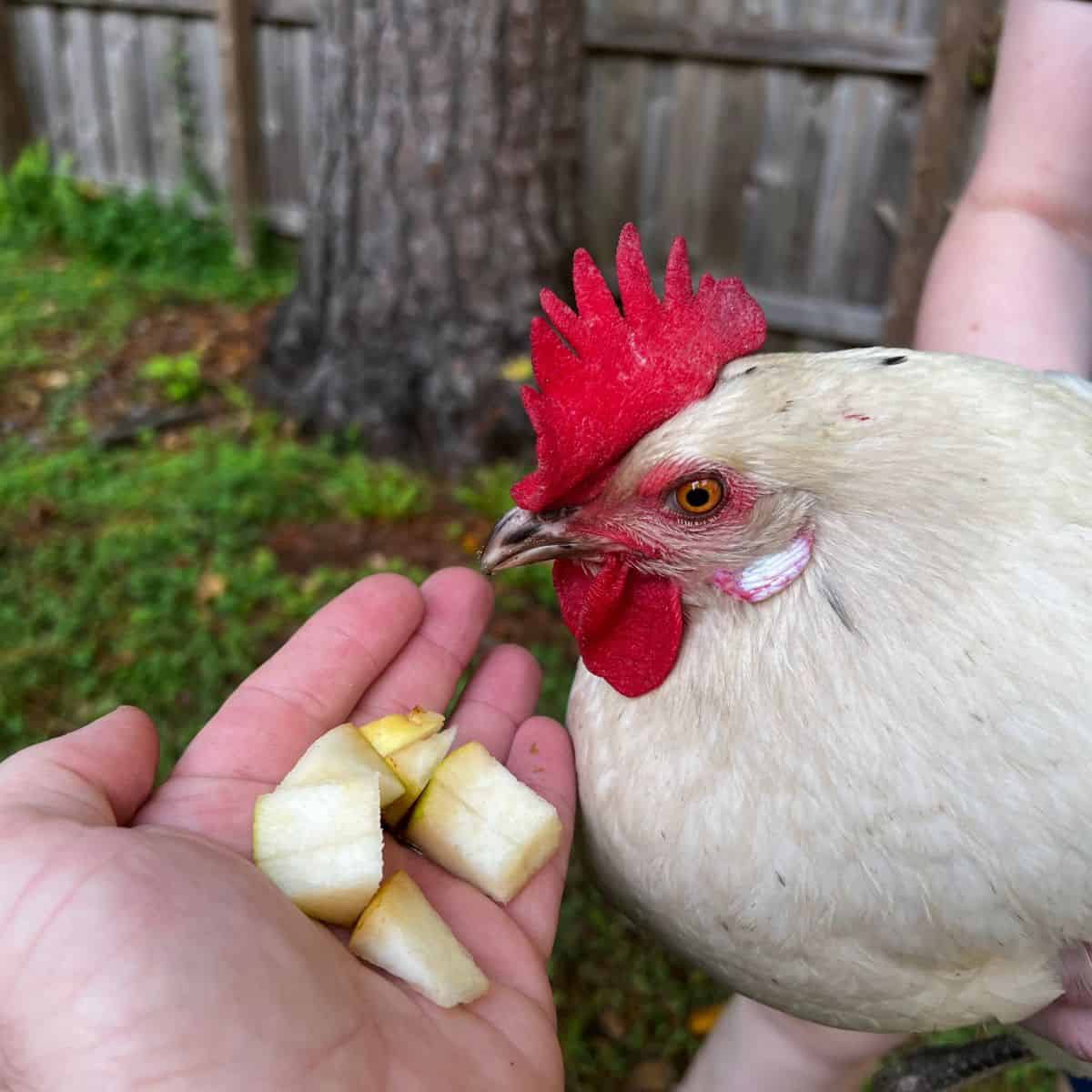
    Access The Organized Chicken Keeper Here

    How to Vaccinate A Chick

    By MrAnimal Farm

    How to vaccinate a chick for Mareks

    Learning how to vaccinate chickens can seem daunting.  However, Marek's disease can be a devastating illness that can take out an entire flock.

    Additionally, Marek's is most times in the environment already as it can be spread through wind and wild birds to your property.  Birds age 16 weeks and under are most susceptible to developing Marek's.  

    Given this, many people choose to vaccinate their chickens to protect against the disease.  Needles, vaccines, syringes and squawking chicks can seem really intimidating.  However, giving the vaccines really is simple.

    How to vaccinate a chick for Mareks text over chick sitting in someones hand

    Vaccinating Chickens

    There are several different types of vaccines that you can give to chickens to try and help them ward off different chicken diseases. Some vaccines are more commonly used than others.

    Additionally, if you understand how to give a chicken a vaccine, then you should also be able to give them a shot as it is the same principle. This will help in case you have to care for chickens that get sick and need some antibiotics or vitamins.

    Supplies For Chick Vaccinations

    Vaccine

    This chicken vaccination comes as a wafer and diluent.  We order from Meyer Hatchery because they offer a pack where you can split the vaccine into 4 use times.

    Syringes

    We order Becton Dickinson (BD) brand from Amazon and get the largest gauge (about 22 gauge) needles (the larger gauge is actually a smaller needle).

    Glass Jar

    We use this to mix the chicken vaccine in.

    Need some help keeping your chickens health and care taken care of? Check out the Organized Chicken Keeper for an easy to follow system.

    How To Vaccinate a Chick

    Mix Vaccine

    The vaccine will come with instructions for breaking the wafer in fourths and adding the correct amount of diluent.

    Drawing the Vaccine

    Each chick will get 1cc of the vaccine mix.  So, you will pull that amount into the syringe.

    Deliver vaccine

    Marek's vaccine is given subcutaneously (this means under the skin; not in the muscle).  Therefore, you will pinch the skin up on the back of the chicks neck.  Give the chick a little time to calm down.  Finally, insert the needle into the "tent" of skin (again, not down into the muscle).

    These instructions and supplies are specify to the Marek's vaccine for chicks.  However, these directions are applicable for any subcutaneous shot.  You just need to substitute in that particular vaccine dosing amount.

    Need to see how to vaccinate a chick?  Check out our video below:

    (While you watch, don't forget to subscribe!)

    Other Chick Vaccinations

    Aside from Marek's, there are some other dangerous, yet avoidable diseases that chickens can face. The manner in which these vaccines are mixed, processed and administered may vary. However, some of the same principles apply when giving an injection.

    Avian Encephalomyelitis (AE)

    AE is almost always a deadly infection. It is dangerous because it is so easily spread. It is able to be passed from hen to chick as well as from chicken to chicken within the flock. However, it usually impacts freshly hatched chicks within a week of hatching.

    The symptoms make the chick appear to be disoriented; stumbling while walking. Eventually they will lose use of their legs and become paralyzed.

    The vaccine is generally given at 10 to 15 weeks of age. It is also often bundled with the Fowlpox vaccine and given in unison.

    Fowlpox

    Fowlpox is not always a deadly disease. It is, however, uncomfortable and can appear to be pretty nasty. It presents itself through blisters and sores on your chickens skin, as well as their comb and wattles.

    Mosquitos are the primary culprit for spreading this disease. The vaccine is givein in a chicks wing web at 10 to 12 weeks old.

    Infectious Bursal Disease

    Infectious Bursal Disease is another issue rooted in a viral infection. This disease is particularly nasty because it will weaken a chicks immune system thus making them susceptible to many other illnesses.

    This disease requires a preventative vaccine given between 2 and 3 weeks of age. It is a water additive. It is better to vaccinate as opposed to fighting it once an infection occurs. Once it is in the flock it is notoriously difficult to manage and get rid of.

    Newcastle Disease

    Presents itself as a respiratory illness. Chickens may start sneezing and couching. You may also notice excess mucus and diarhea. In some cases chickens may become lethargic and have a noticeable decrease in egg production.

    In more serious cases chickens may experience severe swelling around their eyes, their wings may hang , some birds will expereince paralysis, and even death.

    Newcastle Disease is caused by a virus and is mostly spread through the waste of already infected chickens and other fowl. There is no known cure but there are preventative treatments. A vaccine is recommended for chicks between 2 and 3 weeks in age. It is also recommended to set a chicken vaccination schedule as a booster for your flock.

    Prevent Chicken Diseases

    This is not a comprehensive chicken disease list. Chickens are often prone to respiratory illnesses. You can vaccinate for many dangerous diseases, but not for everything.

    The best way to keep your chickens happy and healthy is to make sure they have a healthy diet and access to clean drinking water.

    Additional steps you can take include good biosecurity. That means things like quarantining new chickens before introducing them to the flock, cutting down on chicken lice and chicken mites, and making sure their coop is kept clean and well ventilated.

    If you need more help with taking care of your chickens, check out The Organized Chicken Keeper for a complete system for managing their health through keeping their supplies stocked and coop clean.
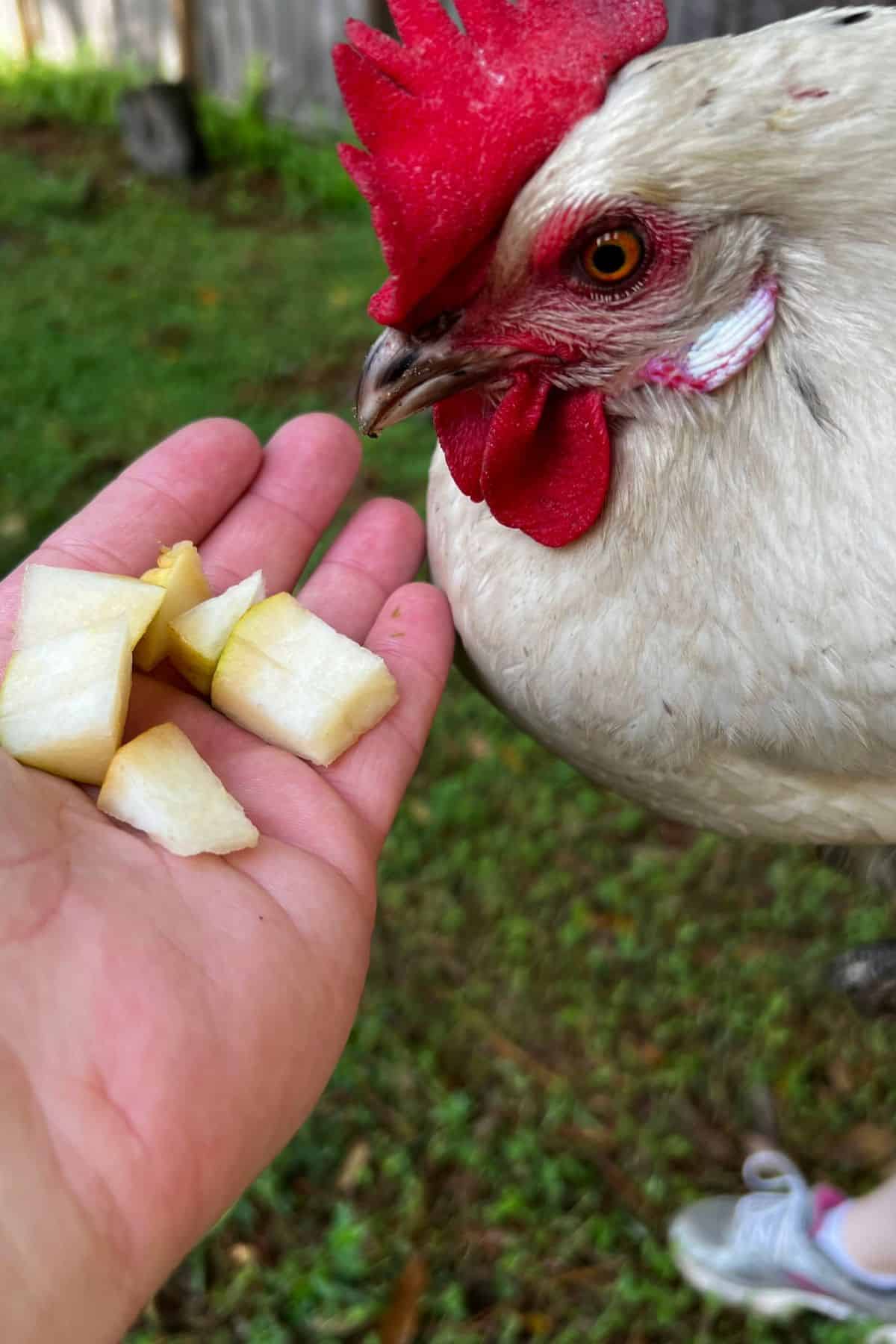
    Access The Organized Chicken Keeper Here

    All About The Polish Chicken

    By MrAnimal Farm

    polish chick

    Have you ever seen a Polish chicken before? With their friendly personalities, docile behavior, and crazy "hair style" they make a wonderful (and eye-catching) addition to any backyard flock!

    polish chicken

    The Polish Chicken is one of those breeds that you have to see to believe; specifically for the very large and impressive crest of feathers on the top of their head. They also come in a wide variety of colors and sizes. This is not a large breed of chicken and is more along the size of a Bantam breed. Originally from Poland, as the name implies, the Polish Chicken is primarily used as an ornamental or show bird. However, they will lay 2 or 3 small, white eggs a week or 150 a year.

    But the details of this unique and mysterious breed do not stop there. Let's dive a little deeper into everything about the Polish chicken.

    Everything About The Polish Chicken

    As with any breed of chicken, it is easiest to understand them when you break their characteristics down into smaller segments. We have done this and made 4 categories; history and origin, what do they look like, what are they like (personality and temperament), and what are they used for (production, eggs, meat, etc).

    Let's start with their history, as it is pretty interesting.

    History and Origin

    To start things off, the Polish chicken may not actually even be Polish in its origin. How's that for mysterious?

    Obviously, when you hear the name, you assume that is where they come from. And, it is a working theory. However, there is very little documentation on the early days of these birds so it is not definitive.

    Another working theory on their name is that it is derived from the Middle Dutch word pol which means "head". This is likely a reference to their dome shaped head or the ornate appearance of their head feathering, or crest.

    Two of the most popular beliefs surrounding their appearance in Eastern and Central Europe is that they were either brought to Poland by Asian Mongols or other immigrants brought them to either Spain or Italy in the 1500s.

    We do have evidence that the breed is a very old breed. Chickens that look very similar are seen in some paintings from the 16th century. There are also several Dutch and Italian paintings ranging from the 16th to the 18th centuries featuring what are obviously Polish chickens.

    Need some help keeping your chickens health and care taken care of? Check out the Organized Chicken Keeper for an easy to follow system.

    Breed & Variety

    Polish chickens come in both large fowl and bantam sizes.

    Large fowl are what we would consider to be a normal or standard size chicken. Bantam breeds are bred specifically to be a much smaller size. They generally retain the same physical characteristics just in a smaller package. You may see them referred to as mini chickens.

    Polish chickens, whether large fowl or bantams, come in a couple of different varieties. They can be bearded, non-bearded, or frizzle. Although, the American Poultry Association (APA), considers frizzle to be a trait and not a separate variety.

    Recognition

    The APA is on record stating they made their first appearance in the US sometime between 1830 and 1840 before being officially recognized by the APA in 1874. Subsequent variations of the breed were then recognized in 1883, 1938, and finally in 1963.

    What Do They Look Like?

    The first thing you will notice about Polish chickens are their magnificent crests. Some of our first chickens were Polish and we gave them wild chicken names to match their crazy hair.

    Feathering, Comb, & Wattles

    The Polish chicken is most famous for it's wild hair-do. They look like a fun throwback to the 1970s disco era.

    Unlike most chickens, the hens and the roosters both sport the same impressive head crests. The crest is made up of a large patch of feathers that grow straight up and then fall over due to their weight.

    Not all chickens have crests, but there are some other breeds like Crevecoeur which do.

    It is very impressive to look at but this unique level of style does not come without its own set of drawbacks. Mainly, it seriously impairs their vision, which should not at all be surprising.

    Hidden underneath that large crest is a small set of white earlobes and some red wattles; although, the wattles are visible on the rooster. You are not likely to see either of them without picking them up and really searching. What is visible, however, is a small, red V-shaped comb just before their crest begins.

    Polish chickens, like other breeds, use their comb and wattles to help them regulate their body temperature; similar to larger livestock and their horns. What happens is blood flows through their comb/wattles and, due to the thinner, looser skin, is warmed or cooled. It then runs throughout the rest of their body keeping them at a steady temperature.

    Color

    As we mentioned above, Polish chickens come in a couple of sizes, markings, and colors, as well as varieties. The APA officially recognizes the following:

    Large Fowl (bearded)Large Fowl (non-bearded)Bantam (bearded)Bantam (non-bearded)
    Black Crestedxxx√
    Buff Laced√√√√
    Golden√√√√
    Silver√√√√
    White√√√√
    White Crested Blackx√x√
    White Crested Bluex√x√

    Additionally, Polish chickens can also come in several other colors and patterns that are not officially recognized yet. Some of those colors are:

    • Black
    • Blue
    • Blue Laced
    • Chamois
    • Creole
    • Gold Laced
    • Red
    • Silver Laced
    • White Crested Cuckoo
    • White Crested Red
    • White Splash

    Size

    As we've mentioned, Polish chickens are both a large fowl and a bantam sized breed.

    The large fowl chickens will range in height from around a foot, or 12 inches to 1 ¼ foot, or around 15 to 16 inches. The hens will usually grow to be 4 to 5 pounds. The roosters are a bit larger, usually weighing up to 6 pounds.

    As we mentioned, bantams are considered mini chickens so they will be much smaller.

    What Are They Like?

    We split this into two categories; personality and temperament.

    Personality

    Polish chickens are a very docile breed. They are not overly timid and appreciate being around humans. Unlike most chickens, these birds could be considered friendly. Especially when raised as chicks, they will not mind too terribly much if you pick them up and carry them around.

    They can be a little skittish when startled. Since they do have impaired vision due to their crests, they will startle a little easier than other breeds. But, if they see or hear you coming (with plenty of warning) they are less likely to run away.

    Temperament

    Due to their size and poor vision, they are typically pretty low on the pecking order when you have a flock with several different breeds of chicken.

    This may play a role in why they are so docile. It is not in their best interest to be overly aggressive as most chickens outweigh them by a good amount.

    Polish chickens are not cold hardy at all. This breed does much better in warmer climates than they do in colder areas. If you happen to live in a cold area you will want to make sure that they have a warm shelter. And that you know how to keep your chickens warm in the winter.

    If you plan to hatch chicks with an incubator you will likely need one of the best egg incubators you can find. Since the hens were bred as ornamental/show chickens and not for their egg production, they are not as inclined to go broody. That means, you likely won't have a broody hen to hatch eggs.

    What Is Their Purpose?

    Some breeds of chickens are what we call dual purpose. That essentially means that they are used for both eggs and meat production. Since these chickens are so small, they do not make good candidates for meat birds.

    However, they do have more than one single, egg laying function. In fact, laying eggs is a secondary function to why most people breed Polish chickens.

    The primary reason people keep Polish birds?

    Show

    Originally, in France, Polish hens were known to be good egg producers. But, since they have such a unique appearance, that became the more desired feature.

    Since then, many breeders, 4-H members, students, and backyard hobbyists, have raised these chickens specifically for the show ring (much like Phoenix chickens are). That is where terms like "APA recognized" come from. These are the chickens that qualify for chicken shows.

    Eggs

    Initially, Polish chickens in France were known to be prolific egg producers. But, since they are show chickens primarily, that trait has been bred out.

    However, that does not mean they are bad egg layers. They typically will lay a medium to large sized egg, depending on the size of the hen.

    How often these chickens lay eggs will depend on their age and health. A healthy hen will also lay around 2 or 3 eggs a week or around 150 eggs a year.

    Pets

    A third reason people keep these chickens is as pets. You can keep two or three of them in your backyard. With their friendly personality they make good companions and are great conversation starters for gatherings.

    Polish chicken chick

    What Care Do They Need?

    As with any chicken, Polish chickens need a certain level of care from you. It is our responsibility, as farmers, breeders, and homesteaders, to make sure their dietary, living, and health needs are met.

    Diet

    Many chickens love to free range and forage on their own. If left to their own devices, they love nothing more than to peck and scratch in the grass and dirt for bugs, grubs, and anything else that looks tasty.

    But, they also need consistency. It is best to make sure that they are getting all of their required nutrients. You can easily do this by making sure they have access to a high quality chicken feed.

    Coop

    All chickens need a safe enclosure over night. Chickens make a great late night snack for many predators out there. If they do not have a secure coop, they do not have much of a fighting chance against most things that will attack.

    You will also want to make sure their coop is well ventilated and cleaned regularly. For Polish chickens, specifically, you will also want to make sure that their coop is warm enough for them to make it through winter.

    For space, you want to make sure each chicken has around 2 or 3 square feet of space (ours do better with around 4 sq ft). If you have an enclosed run for them, they will need around 12 square feet of space each.

    Polish Chicken Health Issues

    Polish chickens do have a few unique health concerns. We've already mentioned that they do not have great eyesight due to their large feather crests. This makes them exceptionally vulnerable to predators.

    Their crest is also a great place for lice and mites to live. You will need to check them regularly to make sure they are not infested with chicken pests.

    Again, this issue centers around their head. Polish chickens have a dome shaped skull which is different than most breeds of chicken. When they hatch, their skull is not completely formed and they have a large soft spot.

    This soft spot never completely closes up. If they are on the receiving end of any head trauma, like a peck with a beak, they can potentially suffer from brain damage.

    What Breeds Are Some Similar Breeds?

    If you can't get enough of their unique look, there are a few other breeds that share similar crest qualities.

    Houdan

    Silkies

    Sultan

    Common Questions

    Here are some of the most common questions we found while researching for this ultimate guide.

    Are Polish chickens good pets?

    Yes. They are quite friendly and docile. Their large crests do impair their vision which can cause them to startle easy. But, with adequate warning, there should be no problem keeping them calm.

    How big do Polish chickens get?

    Polish chickens are a smaller breed of bird. They usually atsand around 1 to 1 ¼ feet tall. The hens grow between 4 and 5 lbs while the roosters are slightly bigger at around 6 lbs.

    What color eggs do Polish chickens lay?

    Polish chickens lay medium to large sized white eggs.

    Are Polish chickens aggressive?

    Not particularly. Roosters in general can be aggressive when they feel threatened or territorial. But overall, Polish chickens are not aggressive.

    Are Polish chickens noisy?

    They are not really any noisier than any other breed of chicken. They tend to be pretty calm.

    At what age do Polish chickens lay eggs?

    They typically start laying after around 5 months of age.

    How long do Polish chickens live?

    Their lifespan is usually around 7 or 8 years. This is a pretty typical chicken lifespan.

    Are Polish chickens considered Bantams?

    Not exclusively. However, there are Bantam size Polish chickens.

    Can you eat Polish chickens?

    You can but they are not very big. They are an ornamental, or show, bird and not a dual purpose breed.

    Are Polish chickens winter hardy?

    Their feathering is not as suitable for cold climates as other breeds. They do not fare well in cold weather.

    Conclusion

    If you have read this far, you definitely understand what a fun and unique breed of chicken the Polish chicken is. They are fun to look at and make great backyard companions.

    Consider adding a few to your flock or maybe build your own flock of just Polish chickens. Whether you want a pet, a moderate egg layer, or are thinking of trying out the chicken show circuit, these chickens are a great choice!

    If you need more help with taking care of your chickens, check out The Organized Chicken Keeper for a complete system for managing their health through keeping their supplies stocked and coop clean.
    Access The Organized Chicken Keeper Here

    Can Chickens Eat Cherries?

    By MrAnimal Farm

    Chicken being held next to handful of cherries.

    Yes, chickens can eat cherries safely! Chickens can eat cherries whole, they they probably won't eat the hard pits. Cherries are full of great nutrients to keep your chickens healthy. But do feed them in moderation due to their high sugar content.

    Keep reading for all the details on how to feed them, benefits and any watchouts you need to know.

    Chicken being held next to handful of cherries.
    [feast_advanced_jump_to]

    Are Cherries Poisonous To Chickens?

    Technically, yes, but practically, no. Let us explain.

    There is a bit of fear out there that cherries can be poisonous because the pits contain small amounts of cyanide. While cyanide is obviously harmful, it is not a clear and present danger for your chickens.

    It is the pit, and not the actual cherry, that contains cyanide. Chickens can eat apples and chickens can eat nectarines both of which also have cyanide in the seeds/pits.

    Your chicken would not only need to eat the pit and digest it, but they would need to eat a large quantity in order for the cyanide to have any effect.

    This is not a huge danger because chickens will typically peck around the pit and only eat the flesh of the cherry. In instances where they do consume the pit, most often, they just pass it with no issues.

    Need some help keeping your chickens health and care taken care of? Check out the Organized Chicken Keeper for an easy to follow system.

    Can Baby Chicks Eat Cherries?

    It won't hurt them in small amounts but it's not recommended.

    Chicks are experiencing a period of rapid growth and need a fairly specific diet to meet their nutritional needs. It is better for them to stick to a good chick/starter feed until they reach adulthood.

    Can Chickens Eat Cherry Tree Leaves?

    Cherry tree leaves, like cherry pits, can also contain cyanide. This means that they can be harmful when consumed by livestock. That includes cows, goats, horses, and, yes, even chickens.

    However, not all leaves are dangerous. If your animals are eating dried and dead leaves that have fallen to the ground, they will be perfectly fine. The same for is they eat healthy green leaves or even the bark of the cherry tree.

    The times when the leaves can be toxic are when they are wilting and still hanging from the tree. Here's an explanation as to why from Michigan State University:

    "The toxic component in the leaves is prussic acid, a hydrogen cyanide toxin that is only formed when glycosides in the leaves are combined with hydrolytic enzymes. Under normal circumstances, the two components are stored in separate tissues, but can become poisonous in...wilted cherry leaves."

    Can Chickens Eat Cherry Blossoms?

    Absolutely! The cherry blossoms, unlike the wilting leaves, pose no threat of poisoning to your chickens. The will likely, be drawn to their bright colors and other insects that also like the blossoms.

    Can Chickens Eat Wild Cherries?

    Yes. Wild cherries do not pose a health risk to your chickens.

    Can Chickens Eat Sour Cherries?

    Yes. Just like wild cherries, sour cherries are perfectly fine for chickens to eat. In fact, the only difference between the two are the amounts of Vitamin C and Vitamin A. Sour cherries have a slightly higher concentration.

    Chicken eating cherries off the ground.

    How To Feed Your Chickens Cherries

    There are a variety of ways that you can feed cherries to your chickens. Some of them are:

    Dried

    Probably the most worry free method of feeding cherries to your chickens is to give them to them dried. You don't have to worry about them eating any pits or choking on a full sized cherry. However, just like when chickens eat dried cranberries or when chickens eat raisins, the sugar is much more concentrated and can be a little dangerous if they eat too much.

    Pitted

    Pitted cherries obviously remove the dangers around choking. You can do this by carefully slicing the cherry in half with a knife and removing the pit, by hand. They also sell devices called pitters that make this a little easier and less messy.

    Whole

    Chickens are completely capable of safely eating cherries without your help. Generally, they will just peck around the pit and just eat the cherry. So, if you want, you can just give them whole cherries.

    From The Tree

    Simpler yet, you can skip the part where you even pick the cherries. Build their run around a cherry tree and they will pick up all the excess cherries that fall on the ground.

    Snack Blend (Chicken "Trail Mix")

    If you want to make a special treat for your chickens you can make a special chicken snack mix or "chicken trail mix". To do this you give them even ratios of dried cherries, crushed oyster or egg shells, and dried meal worms.

    Boredom Buster

    If you want to not only give them a healthy snack but also a bit of entertainment, you can make a toy out of it. Just run a needle and thread or fishing line through the center of several cherries and make a whole string of them.

    Then, hang the string somewhere your chickens can get to it and they will have a blast pecking at them while the cherry string swings around. It's also pretty funny to watch and a form of entertainment for yourself.

    Benefits of Cherries

    Yes, they most definitely are healthy. They contain a wide variety of vitamins, minerals, and antioxidants that are vital to a chicken's health and wellbeing. Some of these nutrients, as well as their health benefits, include:

    • Vitamin A: growth and reproduction
    • Antioxidants: an abundance of benefits to fertility, in vivo, embryo development, postmortem meat, etc.
    • Anthocyanins: anti-inflammatory as well as other pharmacological benefits
    • Boron: bone and egg quality
    • b-vitamin complex: metabolism & energy (Thiamine, Riboflavin, Pyridoxine, Cyanocobalamin)
    • Calcium: bone and eggshell
    • Choline: fat metabolism in the liver
    • Vitamin E: neurological function
    • Iron: anemia
    • Vitamin K: helps with blood clotting and protects against coccidiosis
    • Magnesium: prevents perosis
    • Melatonin: "regulates feed consumption" and the "brain's biological clock" plus and many other benefits
    • Potassium: nerves and muscles

    Feeding Chickens Cherries FAQs

    Can chickens have maraschino cherries?

    No, chickens should not have maraschino cherries. They are packed with sugar and dyes which are not healthy for chickens.

    Can chickens have whole cherries?

    Yes, chickens can have whole cherries. Just beware that if they are on the smaller side, you don't want them choking on the pits.

    If you need more help with taking care of your chickens, check out The Organized Chicken Keeper for a complete system for managing their health through keeping their supplies stocked and coop clean.
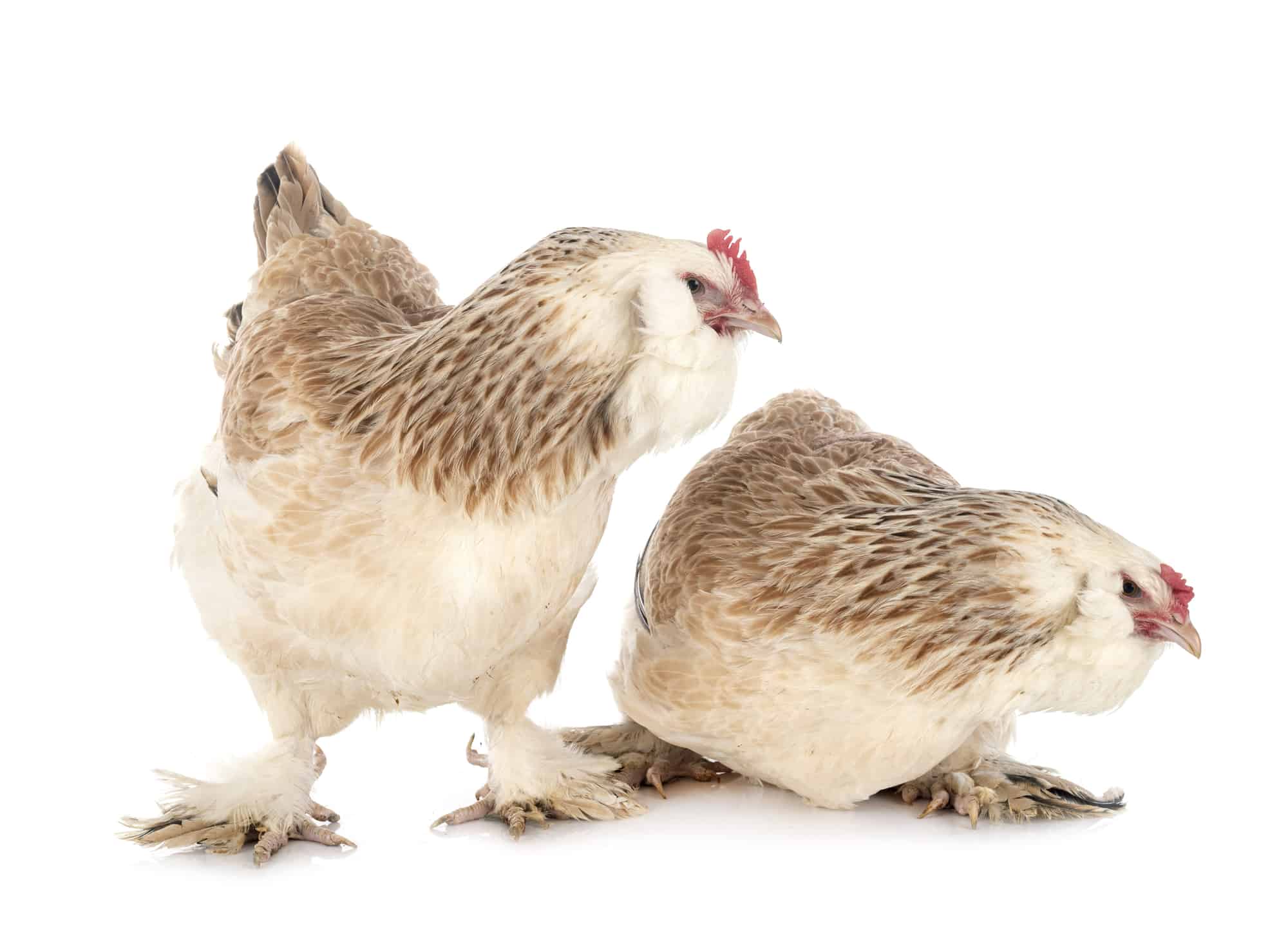
    Access The Organized Chicken Keeper Here

    Can You Freeze Sweet Potatoes? A Food Preservation Guide

    By MrAnimal Farm

    Can You Freeze Sweet Potatoes

    Can you freeze sweet potatoes? Recently, I asked myself the same question about freezing mashed potatoes.  It turns out, not only can you freeze sweet potatoes, you should start freezing sweet potatoes.  Why?

    Can You Freeze Sweet Potatoes

    Not only does freezing sweet potatoes make frugal living sense. Freezing sweet potatoes makes time saving sense too!

    When we found the mashed potatoes on sale, we also saw the sweet potatoes were on a similar sale. So, just like the potatoes, we purchased around 50 lbs of sweet potatoes (I know, we need help).  But we really like to have a good stockpile.

    Buying so many sweet potatoes at one time sounds ridiculous. I hear you asking,
    "How on earth can someone stand to eat the same thing in such large quantities?". I have the same question. I know I couldn't.

    "Well, surely you are out of your mind and AT LEAST half of what you bought will go bad and have to be thrown away!" Valid point, and you would be correct, if not for one thing.

    The ice box.
    Nature's pause button.

    Whatever you want to call it. So we can take advantage of huge sales. Because we can save time preparing for large meals. We can have a quick bite to eat that isn't a disgusting TV dinner.

    For all of these reasons, we are going to learn how to freeze sweet potatoes

    First thing you want to do is make sure you have everything you are going to need.

    - sweet potatoes (we used about 10 at a time)

    - butter (we used about 2 TBS per Instant Pot batch)

    - Milk (we used between ½ - 1 cup per Instant Pot batch)

    - Instant Pot (or oven or microwave)

    - Freezer Bags

    - Marker/Sharpie

    We use an Instant Pot for this project. I like the Instant Pot because it is quick to clean and easy to use and I always get consistent results.

    After you have cleaned a large enough space to work, you will need to prep your sweet potatoes. I like to stick them in a collander in the sink and scrub them under running water. You don't have to clean them this way, you can do it however you like.

    Sweet Potatoes in a plastic bag

    After you have your sweet potatoes clean, you will want to cut them. I always put them on one of our bamboo cutting boards and generally cut with a large kitchen knife. I like the bamboo cutting boards because they are easy to clean and when they dry, they do not typically grow bacteria. Can you freeze sweet potatoes whole? Probably, but they would be a pain to work with.

     Sweet Potato on  cutting board with large knife

    I cut the sweet potatoes into quarters so that they would easily fit into the Instant Pot. Since it's a pressure cooker, the size of the pieces is not going to have much effect on how well they cook.

    If you prefer, you can prepare the Instant Pot prior to cutting the sweet potatoes. This way, you can just throw the sweet potatoes into the Instant Pot as you are cutting them. It's like your own little assembly line.

    Sliced Sweet Potatoes on a cutting board

    To prepare the Instant Pot, you just add 1 cup of water and place the wire rack in the bottom. You can also use a vegetable steamer basket. Whichever you prefer is fine. The point is to keep the potatoes out of the water while they cook.

    After you have packed the Instant Pot you can lock the lid in place. Press the manual button on the front of the Instant Pot and set the timer for 20 minutes.

    If you have a ton of potatoes and don't want to wait in between Instant Pot batches, you can also add whole sweet potatoes and bake them in the oven.

    Need to get all your food preserved easily? Check out the Ultimate Guide To Freezing Food so that you can fill your freezer without in minimal time.

    To do this, stab each sweet potato a few times with a fork. Preheat your oven to 425 degrees and cook for 45-50 minutes (Thanks, Healing Tomato!).

    Once your sweet potatoes are finished cooking, in the Instant Pot or oven, carefully put them into a large mixing bowl. They will be super hot and sticky so be extra careful. A glob of caramelized sweet potato sticking to your arm will have you yelling things you don't want your kids to hear.

    cooked Sweet Potatoes in a glass bowl

    Once in the bowl, take a potato masher and work out any internalized anger you may have on the softened spuds. Here is where you will add in your butter and milk. We used 2 TBS of butter and ½ - 1 cup of milk depending on the size of the batch. But you can vary this according to your own personal preferences.

    (for some extra flavor you can throw in some cinnamon and/or brown sugar)

    Mashed Sweet Potatoes in a bowl

    You can let the potatoes sit and cool for a while or you can start scooping and freezing right away. We have noticed no difference in quality either way.

    Using a 1 cup measuring cup, we put a serving into a prelabeled ziplock freezer bag. You can then flatten the bag and push any excess air out. Make sure you write what you are freezing and the date. Each bag should keep for up to a year.

    cooked sweet potatoes in ziplock bags

    Now you can put an entire stack of flattened bags of mashed sweet potatoes into your deep freezer.

    So, can you freeze sweet potatoes or not?

    Of course you can! Freezing sweet potatoes is super easy! Now you have an awesome and tasty side dish already cooked. They work great for special family dinners, a quick lunch snack, or any occasion really.

    To prepare your frozen sweet potatoes, just leave them in the fridge overnight, reheat in the oven, Instant Pot, or microwave.

    Frequently Asked Questions

    You'd be surprised how many different questions come up when discussing freezing sweet potatoes. Here are a few of the more common ones that come up.

    Q1. Can You Freeze Sweet Potatoes?

    Yes, obviously. If you've read this far, you know you can definitely freeze sweet potatoes.

    Q2. Can You Freeze Yams?

    Yes. Follow the same steps and you can freeze yams.

    Q3. Can You Freeze Cooked Sweet Potatoes?

    Yes. Cooked is generally the best way. Just put them in an airtight container and place in the freezer.

    Q4. Can You Freeze Roasted Sweet Potatoes?

    Yes

    Q5. Can You Freeze Sweet Potato Casserole?

    Yes

    Q6. Can You Freeze Mashed Sweet Potatoes?

    Yes

    Q7. Can You Freeze Baked Sweet Potatoes?

    Yes

    Q8. Can You Freeze Sweet Potato Fries?

    Yes

    Q9. Can You Freeze Raw Sweet Potatoes?

    It is not recommended to freeze them raw. Freezing works better once they are cooked.

    If you need more help getting your foods frozen, check out the Ultimate Freezing Food Guide for a complete quick start reference so that you can have a well-stocked freezer.

    Access the Ultimate Freezing Food Guide Here
    Can You Freeze Sweet Potatoes

    Chicken Names: 1,500+ Names For Your Flock

    By MrAnimal Farm

    flock of chickens outside of barns

    If you are one of the many backyard chicken farmers that keep chickens for eggs AND as pets, you no doubt have felt the urge to think up some chicken names. We thought we would help out a little bit and give you some ideas to choose from.

    flock of chickens outside of barns

    Our first chickens were a trio of Polish hens. We were super excited and promptly names them Luna, Moonpie, Alfred Einstein (yes, Alfred, not Albert).

    You can really name your chickens anything you want. Picking out names can be a lot of fun. We will often pick a theme when naming a new group of chickens.

    For example, we love movies, comics, music, pretty much anything pop culture related. So when we get a new handful of chickens we will pick one of those themes and name them all after Avengers or something like that.

    Try it out yourself when you name your flock!

    Over 1,500 Of The Best Chicken Names

    We didn't just make a list of pop culture names. We also chose some names based on food, nature, gem stones, herbs, flowers, and more.

    Get ready to take notes and pick out the perfect names for your feathered friends.

    Movies, TV, & Pop Culture Names

    Here are some of our favorite movie, TV, & pop culture themed chicken names.

    • Aida
    • Anastasia
    • Angelina Jo-Peep
    • Arya/Aria
    • Audrey Henburn
    • Babs (Chicken Run)
    • Bashful
    • Bernadette – from Donald Duck
    • Betty White
    • Billina (Return to Oz)
    • Bird Lancaster
    • Birdzilla
    • Bradley Coop-er
    • Bumble Egg
    • Camilla the Chicken (The Muppets)
    • Carmen
    • Chick Jagger
    • Chick-a-las Cage
    • Chick-eel O'neil
    • Chick-ira
    • Chickaletta (Paw Patrol)
    • Cilla
    • Cindy-Lou
    • Clara Cluck
    • Cluck Griswald (National Lampoon's Vacation Movies)
    • Cluck Norris/Chick Norris
    • Cluck Rogers
    • Clucker Lang (Rocky III)
    • Clucky Cheese
    • David Beekham
    • Dopey
    • Dora the eggs-plorer
    • Dumbledore
    • Dutchess
    • Edward Scissor Beak
    • Eggatha Christie
    • Eggdar Allan Poe
    • Egghead
    • Eggolas (Lord of the Rings)
    • Fabio
    • Feather Locklear
    • Foghorn
    • Frank-hen-stein
    • Gandalf the Gray
    • Ginger (Chicken Run)
    • Goldie (Rock-A-Doodle)
    • Grumpy
    • Gwyneth Poultry
    • Happy
    • Heidi Plume
    • Hen-mione (Harry Potter)
    • Henessa Hudgens
    • Hennifer Aniston

    Movies, TV, & Pop Culture Names (cont.)

    • Henneth Paltrow
    • Hennifer Lopez
    • Henrique Egglecias
    • Hens Gruber (Die Hard)
    • Hensday Addams (Addam's Family)
    • Hermione
    • Hillary Fluff
    • In-Egg-O Montoya (Princess Bride)
    • Iv-hen Drago (Rocky IV)
    • Jabba the hen
    • Katniss
    • Kermit
    • Kim Kardashihen
    • Lady Kluck (Robin Hood)
    • Lafonda
    • Liam Hensworth
    • Lindsay Lohen
    • Little Red Riding Hen
    • Lucille Ball
    • Maleficent
    • McLovin' (Superbad)
    • Meg Ryhen
    • Meggatron
    • Merlin
    • Miss Almira (Wizard of Oz)
    • Miss Marple
    • Miss Pepperpot
    • Miss Prissy
    • Mr Darcy
    • Mrs. Burns
    • Mrs. Frizzle
    • Mrs. O'Leary
    • Obi Wan Henobi
    • Opt-hen-mus Prime (Transformers)
    • Pigwidgeon/Pid-chickeon
    • Pocahontas
    • Professor McGonagall
    • Rapunzel
    • Reese Featherspoon
    • Road runner
    • Robot Chicken
    • Rocky Rhode (Chicken Run)
    • Roo-Paul
    • Sansa
    • Scarlett O'Hara
    • Severus Snape
    • Sleepy
    • Sneezy
    • Snow White
    • Tinkerbell
    • Ursula
    • Vera Wing
    • Wendy Darling
    • Whoopi Goldberg

    Movie Names

    Here are some of our favorite movie themed chicken names.

    • Hen-mione (Harry Potter)
    • Opt-hen-mus Prime (Transformers)
    • Eggolas (Lord of the Rings)
    • Hensday Addams (Addam's Family)
    • Iv-hen Drago (Rocky IV)
    • Cluck Griswald (National Lampoon's Vacation Movies)
    • Hens Gruber (Die Hard)
    • Clucker Lang (Rocky III)
    • In-Egg-O Montoya (Princess Bride)
    • McLovin' (Superbad)

    Comic Names

    If you like comic books and anything nerd related, this is the list for you.

    • Incredible Cluck
    • Spider-Hen
    • Capt-hen America
    • Iron Hen
    • Wonder Wom-hen
    • Groot
    • Star Lord
    • Thor
    • Loki
    • Thanos
    • Doctor Egg-topus
    • Cluck Kent
    • Vision (Vis-hen)
    • Robin
    • The Penguin or
    • Oswald Cobblepot (for a sophisticated hen)
    • Silver Sable
    • Dazzler
    • Emma Frost
    • Wolverine

    Need some help keeping your chickens health and care taken care of? Check out the Organized Chicken Keeper for an easy to follow system.

    Music Names

    Nothing is cooler than a rock star! Commemorate your favorite musicians by naming your chickens after them.

    • Adele
    • Beyoncé
    • Beyonce'
    • Cher
    • Chicken Lil' Jon (Wayne, Kim, Nas X, Uzi Vert, other Lil' rapper names)
    • Chikira
    • Chris Corn-shell
    • Cluck Jagger
    • Dolly Part-hen
    • Eggie Vedder/Eddie Vegger
    • Eggy Pop
    • Jimi Hen-drix
    • Kluck Kobain
    • Lady Gaga
    • Liza Henelli
    • Loretta Hen
    • Madonna
    • Pavarotti
    • Stevie Chicks
    • Vanessa Hudgens
    • Woodstock
    • Yolkface Killah

    Star Wars Names

    You don't have to reach a galaxy far, far away to find a good chicken name. There are several right here!

    • Darth Vegger
    • Luke Skyclucker
    • Hen Solo
    • R2-Peep2
    • Princess Layer/Lay-a
    • Chew-bawk-a
    • Obi-Wan Henobi
    • Kylo Hen
    • Jabba the Cluck

    Disney Princesses

    Are you chickens spoiled? Would you say you treat them like little princesses? Name them appropriately.

    • Jasmine/Jasm-hen
    • Elsa
    • Belle
    • Tiana
    • Anna
    • Aurora
    • Ariel
    • Mulan
    • Cinderella/Henderella

    Disney Names

    Are you a Disney fan? Turn your backyard coop into the Magical Kingdom itself.

    • Goofy
    • Bambi
    • Alice
    • Coco
    • Daisy
    • Willow
    • Wendy
    • Nala
    • Clarabelle
    • Mickey
    • Minnie
    • Donald
    • Pluto

    Cartoons

    Did you grow up on cartoons? Give your childhood a shout out.

    • Tweety Bird
    • Foghorn Leghorn
    • Eggbert
    • Miss Prissy
    • Chicken Little
    • Heihei
    • Daffy
    • Bugs
    • Spongebob
    • Shrek
    • Elmer
    • Sylvestor
    • Pepe

    Famous Scientists, Historical Figures, and Politicians

    Maybe you have a soft spot for famous scientists, historical figures, or (we don't know why you would, but...) politicians

    • Abraham Chicken/Abrahen Lincoln
    • Albert Eggstein
    • Annie Yolkley
    • Bill Clint-hen
    • Chick Cheney
    • John Hencock
    • Julius Caeser
    • Margaret Hatcher
    • Winston Cluckhill
    • Yolkahontas

    Famous Duos/Pairs/Groups

    Have you noticed some of your chickens hang out together while some are loners? Here is a perfect list of names for those chicken cliques.

    • Abbott and Costello
    • Amelia and Abigail Gabble
    • Angel and Devil
    • Anna and Elsa
    • Anthony and Cleopatra
    • April and Andy
    • Bacon, Lettuce, and Tomato
    • Barbie and Ken
    • Barbie and Q
    • Barbie, Skipper, and Kelly
    • Batman and Robin
    • Beautiy and Beast
    • Beavis and Butthead
    • Ben and Jerry
    • Bert and Ernie
    • Betty & Veronica
    • Beyoncé, Kelly, and Michelle
    • Big Bird and Snuffy
    • Bill and Ted
    • Bippity, Bopity, and Boo
    • Biscuits and Gravy
    • Blanche, Sophia, Dorothy, and Rose (from Golden Girls)
    • Blossom, Bubbles, and Buttercup
    • Bo and Peep
    • Bonnie and Clyde
    • Booger and Snot
    • Brooks and Dunn
    • Buffy & Willow
    • Bumble and Bee
    • Buttons and Bows
    • Cagney & Lacey
    • Calvin and Hobbes
    • Charlie, Sally, Lucy, Linus, and Snoopy
    • Charlotte, Carrie, Miranda, and Samantha
    • Cheech and Chong
    • Cher & Dionne
    • Cherry and Blossom
    • Chip and Dip
    • Chocolate and Vanilla
    • Cinnamon and Spice
    • Cluck & Lois
    • Cocoa and Mocha
    • Cookies and Cream
    • David and Goliath
    • Donald and Daisy
    • Doodle and Doo
    • Dumb & Dumber
    • Ebony and Ivory
    • Eenie, Meenie Miney, and Mo
    • Elmo, Big Bird, and Oscar
    • Elvis and Priscilla
    • Faith, Hope and Love/Charity
    • Fame and Fortune
    • Flora, Fauna and Merryweather
    • Fred and Ginger
    • Fred and Wilma
    • Frick and Frack
    • Fries and Taters
    • Giggles and Wiggles
    • Ginger, Maryann, and Mrs. Howell
    • Gomez, Morticia, Wednesday, and Pugsley
    • Green, Eggs, and Ham
    • Gucci and Prada
    • Hall and Oates
    • Hamilton & Burr
    • Han and Chewie
    • Hansel and Gretel
    • Harold and Kumar
    • Harry & Ron
    • Harry and Sally
    • Henny and Penny
    • Hip and Hop
    • Holmes and Watson
    • Homer and Marge
    • Huey, Dewey, & Louie
    • Hugs and Kisses
    • Itchy and Scratchy
    • Jasmine, Aladdin, and Abu
    • John and Yoko
    • Kami and Kazi
    • Kelly, Jessie, and Lisa
    • Kermit and Miss Piggy

    Famous Duos/Pairs/Groups (cont.)

    • Kit & Kat
    • Lady and The Tramp
    • Laffy and Taffy
    • Larry, Moe, Curly, & Shemp
    • Laverne & Shirley
    • Lenny and Squiggy
    • Lewis and Clark
    • Lilo & Stitch
    • Lorelai & Rory
    • Lorelai and Rory
    • Lucy & Ethel
    • Lucy and Desi
    • Lucy and Ethel
    • Lucy and Ricky
    • Luke and Leia
    • Mac and Cheese
    • Mario, Luigi, and Princess Peach
    • Marsha, Jan, and Cindy
    • Mary and Jane
    • Mary and Rhoda
    • Mary Kate and Ashley
    • Meredith & Christina (Grey's Anatomy)
    • Merry and Pippin
    • Mickie and Minnie
    • Mr. Burns and Smithers
    • Mulder & Scully
    • Napoleon and Josephine
    • Ozzy and Harriet
    • Parsley, Sage, Rosemary and Thyme
    • Peanut Butter & Jelly
    • Peek and Boo
    • Penn and Teller
    • Pepper and Shaker
    • Phoebe, Piper, Paige, and Prue (from Charmed)
    • Pip and Squeak
    • Polka and Dot
    • Polly and Esther
    • Pooh, Tigger, Piglet, and Eeyore
    • Popeye and Olive Oyl
    • Rachel, Monica and Phoebe (Friends)
    • Regina, Karen, Gretchen, Cady, Janis, and Aaron (Mean Girls)
    • Robin and Maid Marian
    • Rock, Paper, Scissors
    • Romeo and Juliet
    • Romy & Michelle
    • Salt and Pepper
    • Salt and Vinegar
    • Samson and Delilah
    • Sandy, Betty, Frenchy, and Danny (Grease)
    • Sansa and Arya
    • Scary, Sporty, Baby, Ginger, and Posh
    • Shaggy & Scooby
    • Sid and Nancy
    • Simon and Garfunkle
    • Snap, Crackle and Pop
    • Snoopy and Charlie Brown
    • Snoopy and The Red Baron
    • Snoopy and Woodstock
    • Snow and Belle
    • Sonny and Cher
    • Starsky and Hutch
    • Sugar and Spice
    • Sunday, Monday and Tuesday
    • Sunny and Cher
    • Sweet and Tart
    • Thelma & Daphne
    • Thelma & Louise
    • Tia & Tamara
    • Tic, Tack and Toe
    • Timon and Pumba
    • Trixie and Dixie
    • Tweedle Dee and Tweedle Dum
    • Wallace and Grommet
    • Wayne and Garth
    • Wendy, Peter Pan, and Tinkerbell
    • Wilma and Betty
    • Woody & Buzz
    • Yin and Yang
    • Yogi Bear and Boo Boo
    • Zing and Zang

    Rhyming Pair Names

    Have a pair of chickens that are inseparable? Here are some fun rhyming pair names.

    • Abby and Gabby
    • Adeline and Madeline
    • Ben and Zen
    • Bippity and Bopitty
    • Buck and Huck
    • Carol and Daryl
    • Chloe and Zoe
    • Clementine and Lemon Lime
    • Collette and Georgette
    • Denny and Jenny
    • Dixie and Pixie
    • Dodger and Roger
    • Dottie and Spotty
    • Ed and Red
    • Emma and Jemma
    • Faye and May
    • Fifi and Gigi
    • Finn and Quinn
    • Flopsy and Mopsy
    • Fluffanutter and Nutterbutter
    • Fox and Sox
    • Fred and Ted
    • Gary and Mary
    • Gillian and Lillian

    Rhyming Pair Names (cont.)

    • Harry and Larry
    • Hazel and Mabel
    • Heckle and Jeckle
    • Holly and Molly
    • Humpty and Dumpty
    • Itsy and Bitsy
    • Jett and Brett
    • Karen and Sharon
    • Lilly and Milly
    • Lolita and Anita
    • Madison and Addison
    • Mango and Tango
    • Mike and Ike
    • Nora and Cora
    • Owen and Rowan
    • Ozzy and Fozzy
    • Paige and Sage
    • Polly, Dolly, and Lolly
    • Ringo and Rango
    • Sadie and Katie
    • Siggy and Ziggy
    • Tex and Rex
    • Toothless and Ruthless
    • Wing and Ding
    • Wylie and Riley
    • Yertle and Turtle
    • Zelda and Esmerelda
    • Zeus and Spruce
    • Zippity and Zoppity

    Funny, Punny, and Kid Names

    These are names we loved that didn't quite fit into some of the other categories.

    • Aflac
    • Big Bertha
    • Boc-boc
    • Buck Beak
    • Cooper
    • Custard
    • Flappy Bird
    • Goldilocks
    • Henny Penny
    • Iago
    • Jalfrezi
    • Jewel
    • Judy B Jones
    • Lady Bird
    • Meatloaf
    • Ms Piggy
    • Pom Pom
    • PotPie
    • Princess
    • Rooster Cogburn
    • Sparkle

    Gem Name

    If you want a name to really capture how beautiful your chickens can be, here are several names based on gemstones.

    • Alexandrite
    • Amber
    • Amethyst
    • Ammolite
    • Andesine
    • Aquamarine
    • Aventurine
    • Azurite
    • Beryl
    • Citrine
    • Emerald
    • Garnet
    • Jade
    • Jasper
    • Malachite
    • Moonstone
    • Morganite (Morgan for short)
    • Obsidian
    • Onyx
    • Opal
    • Pearl
    • Peridot
    • Red Coral
    • Ruby
    • Sapphire
    • Tanzanite (Tanzy for short)
    • Topaz

    Flower Names

    The plant kingdom, especially flowers, is full of wonderful names that work perfectly for a pet chicken.

    • Amaryllis
    • Azalea
    • Belladonna
    • Blossom
    • Bluebell
    • Buttercup
    • Carmel
    • Chamomile
    • Chrysanthemum
    • Clover
    • Cynthia
    • Daffodil
    • Dahlia
    • Daphne
    • Delphine
    • Edelweiss
    • Erica
    • Fleur
    • Flora
    • Florentina
    • Florian
    • Forsythia
    • Foxglove
    • Freesia
    • Fuchsia
    • Gardener
    • Gardenia
    • Garland
    • Geranium
    • Hana
    • Heather
    • Holly
    • Hyacinth
    • Indigo
    • Iris
    • Ivy
    • Jacinda
    • Jessamine
    • Kassia
    • Larkspur
    • Lavender
    • Laylani/Leilani
    • Lilac
    • Liliane
    • Lilliana/Lily/Lilly
    • Lita
    • Lotus
    • Lupin

    Flower Names (cont.)

    • Magnolia
    • Marguerite
    • Marigold
    • Marjoram
    • Maryam
    • Myrtle
    • Oleana
    • Orchid
    • Pansy
    • Patchouli
    • Peony
    • Peregrine
    • Petal
    • Petunia
    • Poppy
    • Posey
    • Primrose
    • Raizel
    • Rayen
    • Ren
    • Rhoda
    • Romy
    • Rosa
    • Rosalie
    • Rosalind
    • Rosanna
    • Rose
    • Rosella
    • Rosemary
    • Rue
    • Snapdragon
    • Snow Flower
    • Susan
    • Susannah
    • Suzanne
    • Suzette
    • Tansy
    • Thistle
    • Tulip
    • Veronica
    • Viola
    • Violet
    • Wildflower
    • Wisteria
    • Yasmin
    • Zahara
    • Zariah

    Earthy & Herb Names

    Similar to flowers, there are a lot of earthy and herb names that work great for a chicken. What's your favorite?

    • Aloe
    • Angelica
    • Anise
    • Basil
    • Bay
    • Bayberry
    • Birch
    • Bird
    • Blackbird
    • Bo
    • Branch
    • Breezy
    • Brooks
    • Buckeye
    • Bunny
    • Burnet
    • Caraway
    • Catnip
    • Cayenne
    • Chervil
    • Chickadee
    • Cicely
    • Cliff
    • Clove
    • Coriander
    • Cypress
    • Dawn
    • Dew
    • Dill
    • Eclipse
    • Epazote
    • Eve
    • Finch
    • Forest
    • Frost/Frosty
    • Ginger
    • Gingko
    • Golden Rod
    • Harbor
    • Laguna
    • Laurel
    • Lavender
    • Lemongrass
    • Lightning
    • Lovage
    • Marjoram
    • Marlin
    • Meadow
    • Mint
    • Moonlight
    • Moonshine
    • Mountain
    • Mugwort
    • Nettle
    • Oceana
    • Oregano
    • Owl
    • Parsley
    • Pennyroyal
    • Peppermint
    • Rainbow
    • Rio
    • Ripple
    • Rocky
    • Rosemary
    • Saffron
    • Sage
    • Salvia
    • Santolina
    • Scullcap
    • Snowflake
    • Snowy
    • Solstice
    • Sorrel
    • Sparrow
    • Spring
    • Spruce
    • Stevia
    • Stony
    • Storm/Stormy
    • Stream
    • Swan
    • Sweet Bay
    • Sweet Cicely
    • Sweetpea
    • Tara/Tarra/Tarragon
    • Tulsi
    • Twigs
    • Twilight
    • Valerian
    • Windy
    • Winter
    • Witch Hazel
    • Woodruff
    • Wormwood
    • Yarrow
    • Zedoary

    Food Names

    Food names are very popular. We try to fight the urge to indulge ironic chicken food names but couldn't resist adding a few.

    • Ale
    • Alfredo
    • Barbi Q/BBQ
    • Barley
    • Beans
    • Benedict (eggs)
    • Blackberry
    • Blueberry
    • Bok Bok Choy
    • Bon Bon
    • Bran
    • Brie
    • Buffalo
    • Burrito
    • Cacciatore
    • Cap’n Crunch
    • Carmella
    • Cashew
    • Cayenne
    • Chardonnay
    • Cheerio
    • Chex
    • Chik-Fil-A
    • Chicken Nugget
    • Chicklet
    • Chickpea
    • Chili
    • Cilantro
    • Clementine
    • Cocoa Puff
    • Coq/Cock au Vin
    • Cordon Bleu
    • Cornflake
    • Cotton Candy
    • Crackers
    • Curry
    • Divan
    • Drumstick
    • Dumpling
    • Egg Nog
    • Eggspresso
    • French/Frenchie
    • Frittata
    • General Tsao
    • Hot Wing
    • Jubilee
    • Kabob
    • KFC
    • Kiev
    • Kix
    • Kung Pao
    • Lollipop/Lolli
    • Lucky Charm
    • Malt
    • Margarita
    • Marsala
    • Mayo
    • Milkshake
    • Mojito
    • Moonpie
    • Nacho
    • Noodle/Noodles
    • Oats
    • Olive
    • Omelet
    • Oolong
    • Patty Cake
    • Patty/Pattie
    • Pea
    • Peanut Butter
    • Peep
    • Pepper
    • Piccata
    • Pickles
    • Pita
    • Pizza
    • Pollo
    • Pot Pie
    • Pudding
    • Pumpkin
    • Quiche
    • Ranchero
    • Reese’s
    • Reuben
    • Roast
    • Rotisserie
    • Salt
    • Schnitzel
    • Scramble
    • Skittles
    • Spaghetti
    • Special K
    • Stir Fry
    • Stu
    • Sugar Plum
    • Sundae
    • Sunny
    • Taco
    • Tandoori
    • Tender
    • Teriyaki
    • Thyme
    • Tikka
    • Truffles
    • Waffle
    • Whiskey

    Color Based Chicken Names

    Here are several categories of colors. You can use these names based on the coloring of your chicken's feathers or, just because the name is pretty.

    Names For White Chickens

    • Alabaster
    • Alaska
    • Alpine
    • Angel
    • Arctic
    • Beluga
    • Bianca
    • Blanco
    • Blizzard
    • Casper
    • Cauliflower
    • Charmin
    • Chiffon
    • Cloud
    • Coconut
    • Coolwhip
    • Cotton
    • Crystal
    • Dazzle
    • Diamond
    • Elegance
    • Fairy
    • Frost
    • Gem
    • Ghost
    • Glacier
    • Honeydew
    • Ice
    • Icicle
    • Ivory
    • Lace (or lacey)
    • Lily
    • Linen
    • Magnolia
    • Marshmallow
    • Milky Way
    • Nimbus
    • Nova
    • Opal
    • Polar
    • Powder
    • Puff
    • Quartz
    • Shimmer
    • Siberia
    • Snow
    • Snowball
    • Sugar
    • Swan
    • Vanilla

    Names For Red Chickens

    • Amber
    • Annie
    • Apple
    • Ariel
    • Auburn
    • Audrey
    • Autumn
    • Berry
    • Blaze
    • Brandy
    • Burgundy
    • Cabernet
    • Candy
    • Cardinal
    • Cherry
    • Chestnut
    • Cinnamon
    • Copper
    • Coral
    • Cranberry
    • Crimson
    • Currant
    • Curry
    • Daphne (Scooby Doo)
    • Foxy
    • Garnet
    • Ginger
    • Hazel
    • Janeway (from Star Trek: Voyager)
    • Ketchup
    • Lady Bug
    • Mahogany
    • Merlot
    • Paprika
    • Pebbles
    • Pepper (like Red Pepper)
    • Pepperoni
    • Phoenix
    • Pippi
    • Poinsettia
    • Princess Fiona (from Shrek)
    • Raggedy Ann
    • Raspberry
    • Red
    • Rose/Rosey
    • Ruby
    • Sangria
    • Scarlet/Scarlett
    • Scully (X-Files)
    • Shiraz
    • Sienna
    • Sissy
    • Strawberry Shortcake
    • Tomato
    • Twizzler
    • Wilma

    Names For Blue Chickens

    • Admiral
    • Aqua
    • Aster
    • Azul
    • Azure
    • Azurite
    • Blue
    • Bluebeard
    • Bluebelle
    • Blueberry
    • Blue Bonnet
    • Capri
    • Cobalt
    • Cookie Monster
    • Cornflower
    • Dolphin
    • Dory
    • Dumbo
    • Indigo
    • Jean
    • Koala
    • Lapis
    • Levi
    • Ocean
    • Peacock
    • Periwinkle
    • Pewter
    • River
    • Royal
    • Sapphire
    • Slate
    • Sky
    • Smurf/Smurfette
    • Steel
    • Stormy
    • Stone

    Names For Black Chickens

    • Ace
    • Black Pearl
    • Coco
    • Cola
    • Crow
    • Dahlia
    • Diablo
    • Diesel
    • Dot
    • Ebony
    • Elvira
    • Ember
    • Galaxy
    • Godiva
    • Ink (or Inky)
    • Licorice
    • Magpie
    • Midnight
    • Morticia
    • Mystic
    • Phantom
    • Raisin
    • Raven
    • Sable
    • Scout
    • Smokey
    • Sooty
    • Spade
    • Velvet
    • Voodoo

    Names For Black & White Chickens

    • Admiral
    • Azure
    • Cappuccino
    • Cerulean
    • Checkers
    • Chocolate Chip Cookie
    • Cobalt
    • Cornflower
    • Cruella
    • DeVille
    • Dice
    • Domino
    • Dotty
    • Freckles
    • Gretta
    • Harlequin
    • Indigo
    • Junior Mint
    • Lemur
    • Magic
    • Magpie

    Names For Black & White Chickens (cont.)

    • Marble
    • Maverick
    • Minnie
    • Orca
    • Oreo
    • Peacock
    • Penguin
    • Puffin
    • Royal
    • Sapphire
    • Shamu
    • Skunk
    • Sky
    • Slate
    • Snoopy
    • Stone
    • Stripey
    • Tiger Lilly
    • Tuxedo
    • Zebra
    • Zorro

    Names For Purple

    • Boysenberry
    • Eggplant
    • Grape
    • Iris
    • Lilac
    • Magenta
    • Mauve
    • Mulberry
    • Orchid
    • Periwinkle
    • Plum
    • Violet
    • Wisteria

    Names For Pink

    • Bubblegum
    • Cerise
    • Coral
    • Flamingo
    • Lemonade
    • Peach
    • Rose
    • Rosewood
    • Strawberry
    • Taffy

    Names For Green

    • Basil
    • Chartreuse
    • Crocodile
    • Lime
    • Fern
    • Hunter
    • Mint
    • Myrtle
    • Olive
    • Parakeet
    • Pear
    • Pickle
    • Pine
    • Pistachio
    • Seafoam
    • Seaweed
    • Shamrock

    Names For Orange Chickens

    Names For Yellow Chickens

    • Aurelia
    • Banana
    • Barbie
    • Beckham
    • Bee’s Knees
    • Big Bird
    • Biscuit
    • Blondie
    • Brienne
    • Britney
    • Bumble Bee
    • Butters
    • Butterscotch
    • Butterball
    • Buttercream
    • Canary
    • Carrie Underwood
    • Cersei
    • Chamois
    • Cheese Ball
    • Chiquita
    • Citrine
    • Claudia Schiffer
    • Corn Pop
    • Daenerys
    • Daffodil
    • Dandelion
    • Dakota Fanning
    • Daylily
    • Dijon
    • Faith Hill
    • Farrah Fawcett
    • Flame
    • Glimmer
    • Glitter
    • Glow
    • Gold Dust
    • Goldenrod/Goldie
    • Goldfish
    • Hemsworth
    • Honey
    • Jaime Lannister
    • Jayne Mansfield
    • Jean Harlow
    • Jennifer Lawrence
    • Joffrey
    • Jon Bon Jovi
    • Jorah
    • Ken
    • Kiefer Sutherland
    • Lannister
    • Lemon
    • Lemondrop
    • Lion/Lioness
    • Logan
    • Loras
    • Mae West
    • Maize or Maizey
    • Malibu
    • Margarine
    • Marilyn Monroe
    • Marzipan
    • Mrs. Butterworth
    • Mustard
    • Nugget
    • Nutmeg
    • Ochre
    • Pac Man
    • Paloma
    • Peaches
    • Penny
    • Pineapple
    • Popcorn
    • Princess Diana
    • Rita Hayworth
    • Ryan Gosling
    • Sandy
    • Smiley
    • Sol
    • Soleil
    • Sonny
    • Sponge Bob
    • Sunburst
    • Sundance
    • Sundrop
    • Sunflower
    • Sunny
    • Sunny Delight/Sunny D
    • Sunrise
    • Sunshine
    • Tapioca
    • Toffee
    • Tommen
    • Treasure
    • Trigger
    • Tweety
    • Twinkie
    • Viserys
    • Yellow
    • Yellow Flower

    Names For Brown/Tan Chickens

    • Almond/Almond Joy
    • Amaretto
    • Baby Ruth
    • Bailey
    • Bear
    • Beaver
    • Biscotti
    • Bit-O-Honey
    • Brandy
    • Braun (brown in German)
    • Brownie
    • Buck
    • Buckie
    • Buckingham
    • Buckshot
    • Buckwheat
    • Buttermilk
    • Butters
    • Cappuccino
    • Caramel
    • Caramelita
    • Carob
    • Cashmere
    • Cedar
    • Chai
    • Champagne
    • Chestnut
    • Chewbacca/Chewy
    • Chocolate
    • Cinnamon
    • Cisco
    • Cobbler
    • Cocoa
    • Coffee
    • Cognac
    • Cola
    • Cookie
    • Cornbread
    • Corona
    • Cracker Jack
    • Cream
    • Cream Puff
    • Dove
    • Dusty
    • Eggnog
    • Espresso
    • Fawn
    • Fudge
    • Gingerbread
    • Godiva
    • Graham
    • Granola
    • Guinness
    • Hazel
    • Hazelnut
    • Hazelwood
    • Heath
    • Hershey
    • Hickory
    • Jiffy
    • Justin
    • Khaki
    • Kit Kat
    • Latte
    • M&M
    • Macaroon
    • Manila
    • Maple
    • Martini
    • Mocha
    • Molasses
    • Moose
    • Nestle
    • Nutella
    • Oat
    • Oyster
    • Pancho
    • Parmesan
    • Peanut/Peanut Butter
    • Penny
    • Pepsi
    • Rolo
    • Russet
    • Rusty
    • Sahara
    • Sand (or Sandy)
    • Sandstorm
    • Shady
    • Shortbread
    • Sienna
    • Skippy
    • Snickers
    • Starbuck
    • Sugar cookie
    • Tanner
    • Tawny
    • Teak
    • Teddy
    • Teddy Bear
    • Tequila
    • Tofu
    • Tootsie
    • Truffle
    • Tumbleweed
    • Twix
    • Umber
    • Walnut

    Names For Grey Chickens

    • Ash
    • Cadet
    • Cloud
    • Flint
    • Moli
    • Pebble
    • Pewter
    • Shadow
    • Silver
    • Slate
    • Smoke

    Names For Orange

    • Apricot
    • Cantaloupe
    • Cider
    • Clay
    • Marmalade
    • Marigold
    • Pumpkin
    • Rust (or Rusty)
    • Tangerine
    • Tawny
    • Tiger

    Regular People Chicken Names

    If you like to name your chickens regular names, like Joe or Bill or Bertha, we made a couple of lists for hen names, names for roosters, and some old fashioned, or old timey names.

    Names For Hens

    • Abby
    • Abigail
    • Amelia
    • Amelia Egghart
    • Amy
    • Annabelle
    • Ann/Anne
    • Atilla the Hen
    • Ava
    • Avery
    • Bella
    • Bessie
    • Beth
    • Betty
    • Birdie
    • Blanche
    • Bonnie
    • Brooklyn
    • Buffy
    • Callie
    • Carly
    • Caroline
    • Casey
    • Chanel
    • Chloe
    • Cleo
    • Cora
    • Crazy Maisie
    • Dakota
    • Dallas
    • Darla
    • Delilah
    • Destiny
    • Diana
    • Diva
    • Dixie
    • Dixie Chick
    • Dolly Carton
    • Dot
    • Duchess
    • Ella
    • Ellie
    • Emma
    • Eva
    • Faith
    • Fancy
    • Feather Flocklear
    • Fluffy Butt
    • Frida
    • Gabby
    • Georgia
    • Gigi
    • Gilly
    • Gloria
    • Goldie Hen
    • Grace
    • Grace Shelly

    Names For Hens (cont.)

    • Hadley
    • Hailey
    • Hannah
    • Harley
    • Harper
    • Heidi
    • Henrietta
    • Hilary Fluff
    • Hope
    • Irene
    • Izzy
    • Jackie
    • Jazzy
    • Jenna
    • Jo
    • Josie
    • Juno
    • Karen
    • Karma
    • Kayla
    • Kennedy
    • Kiki
    • Kiwi
    • Koda
    • Laci
    • Lady
    • Ladybird
    • Layla
    • Leia
    • Lena
    • Lexi
    • Libby
    • Liberty
    • Lilly
    • Lindsey Lohen
    • Lola
    • Lulu
    • Mabel
    • Macy
    • Maddie
    • Maisie
    • Margaret Hatcher
    • Maya
    • Meg
    • Mia
    • Miley
    • Mimi
    • Missy
    • Mother Clucker
    • Moxie

    Names For Hens (cont.)

    • Natalie
    • Nettie
    • Nikki
    • Oprah Henfrey
    • Paige
    • Paris
    • Parker
    • Petra
    • Phoebe
    • Phoenix
    • Piper
    • Pixie
    • Polly
    • Precious
    • Prudence
    • Roxy
    • Sadie
    • Sassy
    • Sesame
    • Sheba
    • Shelby
    • Shiloh
    • Sierra
    • Skye
    • Sophia Lorhen
    • Sophie
    • Sparkles
    • Star
    • Starla
    • Stella
    • Storm
    • Suki
    • Summer
    • Suzie
    • Suzy
    • Sweetie
    • Sydney
    • Tabby
    • Tasha
    • Tessa
    • Theo
    • Tilly
    • Trixie
    • Trudy
    • Vixen
    • Winnie
    • Zelda
    • Zoe
    • Zuri

    Old Fashioned/Old Timey Hen Names

    • Agatha
    • Agnes
    • Alma
    • Beatrix
    • Bertha
    • Betsy
    • Charlotte
    • Clara
    • Claudine
    • Constance
    • Daisy Mae
    • Dolly
    • Doris
    • Dorothy
    • Edith
    • Edna
    • Edwina
    • Elizabeth
    • Enid
    • Ethel
    • Flo
    • Florence
    • Frances
    • Freda
    • Gertrude
    • Gladys
    • Gwen
    • Gwendoline
    • Harriet
    • Henrietta!

    Old Fashioned/Old Timey Hen Names (cont.)

    • Ingrid
    • Isabella
    • Josephine
    • Jude
    • Lillian
    • Lucille
    • Lucy
    • Marge
    • Martha
    • Mary-Lou
    • Matilda
    • Maude
    • Maureen
    • Mavis
    • Mildred
    • Millie
    • Molly
    • Monica
    • Muriel
    • Nancy
    • Nellie
    • Norma
    • Olivia
    • Otis
    • Peggy
    • Penelope
    • Priscilla
    • Queenie
    • Ramona
    • Rita
    • Sofia
    • Sybil
    • Uma
    • Winifred

    Names For Roosters

    • Admiral Eggbar
    • Albert
    • Amos
    • Apache
    • Atticus
    • Baby Daddy
    • Baron
    • Batman
    • Bernard
    • Big Boy
    • Big Daddy
    • Billie
    • Billy
    • Blackbeard
    • Bob
    • Bobzilla
    • Bojangles
    • Boots
    • Brewster the Rooster
    • Brigadier Bodie
    • Brisket
    • Bruce
    • Buckbeak
    • Cadillac
    • Captain
    • Captain Nugget W. Sauce
    • Carter
    • Casanova
    • Charlie Brown
    • Chester
    • Chief
    • Chuck
    • Clyde
    • Cockadoodledoo
    • Cody
    • Colonel
    • Colonel Sanders
    • Cornelius
    • Doc
    • Dr. Pecker
    • Duke
    • Earl
    • Elvis
    • Everest
    • Eye Candy
    • Fletcher
    • Floyd
    • Freddie
    • Frodo

    Names For Roosters (cont.)

    • Galileo
    • Garrett
    • George
    • Geronimo
    • Grainger
    • Gregory Peck
    • Guardian
    • Gunslinger
    • Gus
    • Guy
    • Hank
    • Hercules
    • HippoGriff
    • His Eggcellency
    • Hot Shot
    • Howard
    • Jagger
    • Jaws
    • Jeb
    • Jimmy
    • Jupiter
    • Kellogg
    • Kevin
    • King Crow
    • Landon
    • Leonard
    • Lieutenant
    • Lord Peck
    • Louis
    • Lurch
    • Major
    • Master
    • Maximus
    • Mohawk
    • Mr. Big
    • Mr. Crows A. Lot
    • Mr. Feathers
    • Mr. Woo
    • Muggle
    • Napoleon
    • Ninja
    • Oliver
    • Oscar the Grouch
    • Oz
    • Popeye
    • Prince
    • Prince Plucker

    Names For Roosters (cont.)

    • Rex
    • Rhett
    • Ringo
    • Roadkill
    • Rock the Cock
    • Rockstar
    • Rocky Road
    • Roo Paul
    • Roux
    • Saturn
    • Señor
    • Señor Doodle
    • Sergeant
    • Sir Clucks-a-lot
    • Sir Crows A lot
    • Sir-Loves-a-Lot
    • Spartacus
    • Stud Muffin. Need I explain…
    • Superman
    • Supreme Leader
    • Tex
    • Thunderbird
    • Tyson
    • Vinny
    • Wade
    • Watson
    • Waylon
    • Weird Al
    • Willie
    • Willy
    • Winston
    • Wooster
    • Wyatt
    • Zaphod

    Conclusion

    Hopefully we could help you think of some good chicken names for your flock. Obviously, you don't have to use a name we thought of but maybe these lists can help get your creative juices flowing.

    Good luck and happy naming!

    If you need more help with taking care of your chickens, check out The Organized Chicken Keeper for a complete system for managing their health through keeping their supplies stocked and coop clean.
    Access The Organized Chicken Keeper Here

    Barnevelder Chickens

    By MrAnimal Farm

    Barnevelder hen

    If you want a gorgeous, laid back, productive chicken for your backyard flock, the Barnevelder may be just what you need.

    By Outback hens at English Wikipedia, CC BY 2.5, https://commons.wikimedia.org/w/index.php?curid=4783116

    Barnevelder chickens are some of the most beautiful birds one can get. Their unique lacing and chocolate colored eggs make them stand out from many other breeds.

    If you are thinking of adding a few to your flock you wont be disappointed. Here is some more information about them.

    Everything About Barnevelder Chickens

    Perhaps youve heard of Barnevelders. Perhaps you have not. At any rate, here is everything you need to know to become familiar with them.

    Origin And History

    Barnevelder chickens originated in the central Netherlands town of Barneveld. They are a Dutch breed believed to have first appeared in the 1850s.

    Initially, they were a product of local European hens crossing with chickens from Asia, referred to as "Shanghai" chickens. Along the way, they were crossed with other breeds, most notably the Croad Langshan.

    It is believed it was the Croad Langshan breeding that most contributed to the Barnevelder's winter hardiness, as well as their egg production and deep brown color.

    Appearance

    The Barneveld has gone through many changes over the years in it's appearance.

    Color & Feathering

    These chickens come in many different colors and patterns. Often times, the hens will show some form of lacing on top of a brown or red base. The roosters are, as per usual with roosters, much more vibrant.

    barnevelder hen
    By Uikitireza - Own work, CC BY-SA 4.0, https://commons.wikimedia.org/w/index.php?curid=74995675

    Roosters also exhibit a beautiful lacing pattern. As seen below, they can also have an exquisite iridescent green across most of their body. The tips of their wings can be a darker red or brown for contrast.

    Both the hens and roosters are very impressive looking. Much more so than, say, a more plain breed with no markings like a Rhode Island Red.

    Both hens and roosters have single red combs, the roosters also have an impressive set of wattles. They each also have bright yellow feet with four toes each.

    Standards

    The Dutch Poultry Club initially accepted the breed as an official entry in 1919, but there was still a wide variety in colors and patterns. It took another two years until a breeder's associate was formed to develop breed standards. It then took another two years, in 1923, for the breed to be accepted.

    The variety of colors and patterns are:

    • Double Laced
    • Double Laced Blue
    • Black
    • White
    • Silver Double Laced (only accepted in Bantam)
    • Silver Black Double Laced (not accepted yet)
    • Partridge (believed to be extinct)

    Size

    These chickens are, for the most part, considered to be a large breed of chicken, however, they do also come in Bantam sizes, as well.

    The standard chicken has a good size to it. The hens are typically in the 5 to 6 lb range while the roosters weigh in at a whopping 7 to 8 lbs!

    Need some help keeping your chickens health and care taken care of? Check out the Organized Chicken Keeper for an easy to follow system.

    What Are They Like?

    Barnevelder chickens are some of the best candidates for any flock. If you live in a neighborhood or suburban area, they may be the perfect chicken for you.

    Temperament

    Both hens and roosters in this breed are very low maintenance and easy to care for. They keep to themselves for the most part. They are very cold hardy. So much so that their egg production does not waiver during the winter.

    They do not particularly enjoy the heat but can do very well if they are provided with the right amount of food, water, and shelter.

    Personality

    If you want docile chickens, you're in the right place. Some would even call these chickens lazy. They love nothing more than to laze about all day and not really kick up too much trouble.

    They can, on occasion, try to assert their dominance on other chickens in the flock. This rarely amounts to more than typical chicken behavior establishing their pecking order.

    Health

    On top of doing well in pretty much any climate, they also do not really suffer from any health issues or illnesses outside of the typical ones like: chicken lice or mites and coccidia in chickens.

    What Is Their Purpose?

    Barnevelders can be considered a dual purpose chicken. For our standards, they are actually a tri-purpose chicken.

    Pets

    We call this breed a tri-purpose breed because it can be used for three distinct purposes. Although, we do not advocate that you eat your pets.

    Since Barnevelders are so laid back and docile, they make great backyard chicken pets. Very few chickens like to be picked up and carried, but these guys and gals will enjoy flocking around you, especially if you have some feed.

    Meat

    These chickens, especially the roosters, can grow to be quite large. A good 7 to 8 lb rooster is more than enough for a family to eat for dinner. Plus, the hens grow around 5 to 6 lbs. Once they no longer lay, they can be good stewing chickens.

    Eggs

    Eggs are far and above the most common reason anyone keeps a backyard flock.

    Frequency

    Barnevelders keep up with a good production schedule. Like any breed, how long chickens lay eggs really depends on their quality of life. Most chickens will lay at their high production rate for the first two years of laying. After that, they will slowly decline until they have no more eggs left to lay.

    These hens, in particular, are good layers. You can expect to get anywhere between 175 and 200 eggs per year from them. That will amount to around 3 or 4 a week per chicken. That means 3 or 4 chickens is about the equivalent of a dozen plus eggs a week. Plenty for a family!

    Chocolate Eggs

    One unique feature of this breed is their egg color. While many breeds will lay brown eggs, Barnevelders are part of a small group, along with the Black Copper Marans, that lay deep chocolate colored eggs.

    Common Questions

    Here are some of the more common questions we came across while researching this topic.

    Are Barnevelders Good Layers?

    Barnevelders are pretty good layers. Most hens will lay around 3 to 4 eggs a week. Depending on the size of your family, you may want anywhere from 3 to 8 hens to replace eggs from the store.

    Are They Rare?

    They aren't necessarily rare but they aren't super common at the moment. However, they are starting to see a rise in their popularity. This is likely because they are hardy and good production chickens.

    Are Barnevelder Roosters Aggressive?

    Pretty much all roosters can be aggressive. Some breeds are more so than others. Barnevelder roosters fall on the more laid back, less aggressive end of the scale. But, as we said, all roosters can exhibit aggression given the right circumstances.

    How Long Do They Live?

    Don't be surprised if your chickens live for a while. This breed will typically live between 4 and 7 years. Although, if they are cared for, and live a relatively low stress and predator free life, it is not unheard of for a chicken lifespan to reach 10 years old or more.

    Conclusion

    Now you know everything there is to know about Barnevelder chickens. They really are an almost perfect breed.

    You can raise them just about anywhere. They lay a good amount of eggs on a very reliable schedule. It's common for them to grow very large and be great meat birds.

    If you want a sweet chicken pal, they can also fit that bill...or beak, as the case may be. All in all, you will not be disappointed if you add a few of these to your own personal flock.

    If you need more help with taking care of your chickens, check out The Organized Chicken Keeper for a complete system for managing their health through keeping their supplies stocked and coop clean.
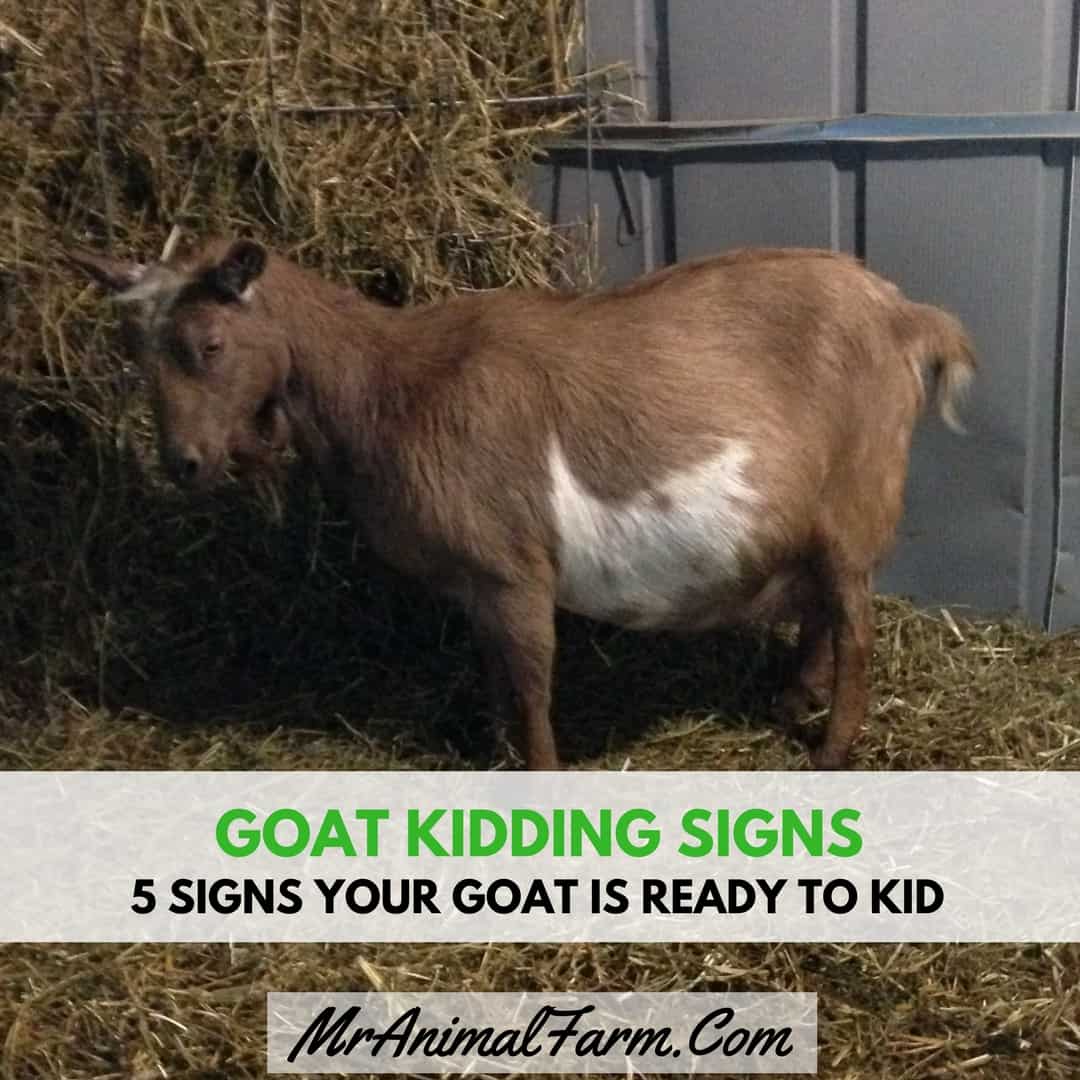
    Access The Organized Chicken Keeper Here

    Can Chickens Eat Bananas?

    By MrAnimal Farm

    Chicken being held next to a banana in someones hand.

    Yes, chickens can eat bananas. Bananas provide a wide range of healthy nutrients for chickens including fiber and potassium. You can feed them to your chickens ripe or unripe just as long as they are not moldy.

    Although bananas are safe for chickens to eat, you do need to be aware of how much they should consume, how to feed them and some other facts to keep your chickens healthy. Keep on reading to get all the details.

    Chicken being held next to a banana in someones hand.
    [feast_advanced_jump_to]

    Are Bananas Safe For Chickens?

    Yes, bananas are a safe treat for chickens. However, like just about any fruit, they need to be fed in moderation.

    Chickens can eat apples, chickens can eat cherries, chickens can eat pears, chickens eat peaches and other fruits. However, fruits, in general, are high in sugar content and can throw off a chicken's natural nutritional balance.

    So, you can feed them bananas, but in order to be sure your chickens are healthy, you also want to make sure they are also getting plenty of time to free range or have access to a well balanced layer feed.

    How To Feed Your Chickens Bananas

    Now that we know it's safe, how exactly should you feed bananas to your flock?

    You can give unripe or ripe bananas, just be sure that they are not moldy or anything. Unripe bananas have less sugar content, so may be a tad healthier for them.

    • Peel the banana
    • Slice into into chunks ⅛ - ¼ inch. They should be small enough they won't get lodged in their throat; or big enough they have to peck them apart.
    • Toss the banana chunks out to your flock (or give in a feed dish)
    • You can also toss out a whole banana and they will peck pieces off.
    Chicken being held next to a banana in someones hand.

    How Much Banana Can My Chicken Eat?

    First, make sure you know how much to feed your chickens in general. Then, know that treats should only make up a small percentage of their overall diet. Otherwise you risk throwing off nutritional balances and getting overfed chickens.

    Overfeeding chickens can lead to a host of issues such as egg laying problems and liver issues. So, you definitely want to avoid overfeeding them.

    Tossing out one banana per every 3 - 4 chickens will allow each chicken to have a small treat, but not overdo it. And you probably don't want to do that every day.

    Need some help keeping your chickens health and care taken care of? Check out the Organized Chicken Keeper for an easy to follow system.

    Benefits of Bananas

    So, what are the benefits of feeding your chickens bananas? There are some potential health benefits to feeding chickens bananas. Bananas are full of important nutrients like fiber, vitamin c, vitamin b6, potassium and magnesium.

    • Vitamin B6: plays an important role in reproduction like fertilization and hatch rate of eggs. If they need more B6, chickens can eat lemons also.
    • Fiber: helps with nutrient digestion, GI regulation and overall growth. Fiber is also a big nutrient benefit when feeding chickens figs and when feeding chickens strawberries.
    • Potassium: Helps chickens maintain muscle strength and a healthy metabolism.
    • Magnesium: helps with eggshell and bone formation.

    Feeding Chickens Bananas FAQs

    Can I feed chickens banana peels?

    Yes, you can, but they tend to be thick, have minimal nutrition and more pesticides. So, if you do plan to feed them wash them first and have them cut very thinly on the slices. Or, boil them to soften them up.

    Can chickens eat banana bread?

    No, it's best to skip banana bread as it has super ripe bananas and added sugar in it.

    Can chickens eat banana pudding?

    No, chickens should not eat banana pudding. It has too much sugar content.

    Can baby chicks eat bananas?

    Yes, they can. But make sure the pieces are appropriately sized. Also, you won't want to give them as large of a portion as adults.

    If you need more help with taking care of your chickens, check out The Organized Chicken Keeper for a complete system for managing their health through keeping their supplies stocked and coop clean.
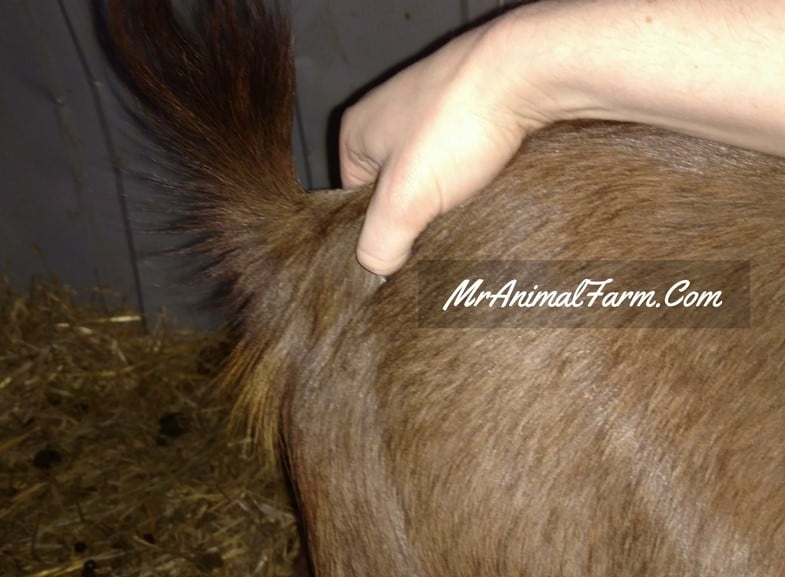
    Access The Organized Chicken Keeper Here

    Freezing Peppers - How to Easily Preserve Peppers (any kind!)

    By MrAnimal Farm

    Freezing Peppers - How to Easily Preserve Peppers (any kind!)

    Ok, I will admit it here, when we learned how to grow peppers, we may have planted 6 varieties of peppers this year that took  up 3 full boxes in our garden.  It was, shall I say, overkill.  This is where freezing peppers came into our lives.

    bag of various types of peppers. text reads, "freezing peppers. how to easily preserve peppers (of any kind!)

    Seriously, we brought in so many peppers, I am ashamed to say that the last harvest actually sat on our counter and eventually had to be tossed (if only I had thought about freezing peppers then!)  We decided we needed an easy way to preserve our peppers quickly!

    So We Started Freezing Peppers

    Generally, we try to use everything on our homestead, so letting peppers go to waste was a big no-no.  So, we needed to find a way to preserve these peppers!  Let me tell you, freezing peppers is the best way to preserve your peppers. Wanna know why?  Well, I am going to fill you in.

    If you have been growing peppers then you know a few things already:

    First, peppers are SUPER easy to grow they are an easy and productive crop that is perfect for new gardeners. .  Second, there are all different types of peppers.  Third, they are one of the FASTEST growing vegetables. Well, most people consider them to be vegetables, but peppers are a fruit. So, you (like us) may get carried away and end up with tons and tons of peppers coming in from your garden.

    And if you haven't planned for any peppers in your garden, grab some pepper seeds (any type of pepper) and get them started.  You won't regret it, I promise!

    If you are familiar with preserving other veggies out of your garden, you probably know that food preservation can often times be really time consuming.

    If you are canning for preservation, you have to make sure your ingredients are just right so that the canned food is safe.  And the canning process itself can actually take quite a while.

    Of course we do get to work canning peppers as a way to preserve some of them because, well, canned peppers are super yummy!  But, quite frankly, there isn't always time for that.

    peppers on a counter
    Here are just a few of our peppers we are getting ready to process and freeze.

    So, what is the easiest way to preserve peppers? Stick them in your freezer.

    That's right, you should be freezing peppers!

    You might say, well, when you freeze  green beans, squash and other veggies it is not as simple as tossing them into the freezer.  They have to be prepared and blanched first.

    Well, that's why freezing peppers is the magic way to preserve them -- there is no blanching required! We do like freezing in general and also do a lot of freezing blueberries, freezing milk, freezing sweet potatoes, freezing eggs freezing spaghetti squash and freezing mashed potatoes.

    Does freezing peppers work for all kinds of peppers?  Yes!  Whether you love hot peppers (like jalapenos) or sweet peppers (like bell peppers), you can freeze any type of pepper to preserve it.

    Need to get all your food preserved easily? Check out the Ultimate Guide To Freezing Food so that you can fill your freezer without in minimal time.

    How to Freeze Peppers

    As I mentioned, this method of preserving peppers is super, duper easy.

    1. Clean your peppers off

    We like to dump them all in a strainer, sit it in the sink and run some water over them.

    pepper on a plant

    2. Cut off the tops (stems) and very end (bottoms) of your peppers

    Most people will also remove the seeds at this point.

    (Special note:  if you are using super hot peppers, make sure you are using latex gloves.  If you don't, you can actually get burns on your fingers and hands - especially if you are processing a lot of peppers.  We actually use these nitrile gloves and buy them by the box since we use them in the kitchen and for milking goats.)

    3. Cut them up

    If you want, you can slice, dice or otherwise prepare the peppers to be in the form you will want to use them in.  We don't usually do this, and just freeze them whole or half.

    4. Bag them

    Dump your peppers into a freezer bag.  Make sure the bag is labeled with the date and type of pepper.

    5. Freeze them

    Just stick the bag in the freezer. That's it!

    Freezing Peppers in ziplock bags

    Yep, that's all there is to freezing peppers!  Drop us a line below and let us know what type of peppers you will be preserving this season.

    If you need more help getting your foods frozen, check out the Ultimate Freezing Food Guide for a complete quick start reference so that you can have a well-stocked freezer.

    Access the Ultimate Freezing Food Guide Here

    7 Causes of Decreased Egg Production for Chickens

    By MrAnimal Farm

    Causes Decreased Egg Production

    Have you ever had your chickens suddenly stop laying and you can't figure out what? We have too. Here are some of the things we have noticed that may cause decreased egg production

    Causes Decreased Egg Production text over carton of eggs

    During the Spring and Summer our chickens lay like gangbusters. However, sometimes, we will have unexplained decreases in our egg production.  

    Whenever this happens, we always try to troubleshoot and figure out why our chickens have decreased their egg production.

    It is important to know how often chickens lay eggs so that you know if you are getting a normal amount or if there is decrease egg production to look at.

    Are You Experiencing Decreased Egg Production?

    A decrease in your chickens' egg laying can be pretty disheartening. Especially if you are keeping chickens in order to have farm fresh eggs.

    Not to worry though. Here are 7 of the most likely reasons your chickens may have a decrease egg production schedule.

    1. Molting Chickens

    Each year your chickens will go through molt. This usually happens in the early Fall time.  If they are molting, it may look like a big feather pillow fight in your coop.  Helping to increase the protein intake for your chickens can help them get through molt and reverse their decreased egg production.

    chicken missing feathers due to molting

    2. Broken Eggs

    This one isn't even a decrease so much as a quality issue. At times your chickens may experience a calcium deficiency. Calcium is one of the main components to a nice, thick, hard eggshell. If they are missing calcium in their diet their eggshells will suffer.

    If you happen to be getting less eggs because they are breaking, you should give some free choice oyster shells to your flock.  The calcium in the oyster shells should help harden the egg shell and decrease broken eggs.

    Need some help keeping your chickens health and care taken care of? Check out the Organized Chicken Keeper for an easy to follow system.

    3. Egg Eaters

    Again, this is not exactly a production issue. It may be some chickens with behavioral problems or there could be a snake or rodent issue going on.

    Whether it is your own chickens or a snake, sometimes less eggs are due to something eating them.  There are a few ways to fix this problem.

    You can fill an egg shell with hot sauce. Anything that gets that egg will not likely return for seconds.

    Make sure you don't leave eggs in the nesting box any longer than necessary. Less opportunities to steal eggs means less eggs will be stolen.

    Consider getting a barn cat or two is there is a snake or rodent issue. Barn cats will help curb those problems pretty quickly.

    4. Chicken Mites or Chicken Lice

    If chickens have mites and lice the stress can cause them to decrease egg production.  So, if you start seeing decreased eggs, then you should check the vent and under wing area on a few birds to see if they have any little bugs on them.

    close up of mite

    A great way to cut down on some of these pests is to make sure your chickens have access to some Diatomaceous Earth, or D.E. for short. Sprinkle some around their vent or infected areas and it should kill the pests.

    5. Stress or a New Environment

    Chickens will shut down or decrease egg production if they are stressed out or undergoing changes.  Any number of things can contribute to a stressed out hen. If you have recently added new chickens to the flock, moved their coop, or made any other changes recently they may stop laying for a short period of time.

    Unfortunately, there is not a lot you can do about this one.  You really just have to wait them out it passes. In the mean time you can do things like give them treats, toys, or something else to keep them occupied and less stressed.

    6. Lack of Water

    Like pretty much any living thing, chickens need water. If they don't get enough, they will not be able to function at an optimal level.

    Whether it is the heat of summer and the water is running dry or if it is the dead of winter and their water is frozen solid, if the chickens are not getting enough water, they will decrease egg production.  Make sure your chickens have plenty of water in the cold weather by knowing how to prevent chicken waters from freezing.

    After all, think about how much liquid an egg is made up of.

    7. Decreased Light

    You have likely noticed a decent production drop during the winter time. The shorter, darker days of winter will cause egg production to drop drastically.  

    Chickens need a certain number of hours of light to produce an egg.  Once the days get shorter they do not get enough light to produce as heavily as the summer.

    If you like, you can add a regular light and timer to the coop in order to give them extra light in the dark winter days to help keep their egg production up.

    Of course, there is also a chance, if your ladies are older that they have stopped laying altogether.  So, you should know how long chickens lay eggs.  There is a way to assess if a chicken is still laying.

    Since you can experience a decrease in egg production at any time, it is good to preserve eggs when you are getting plenty of them.  Learning how to freeze eggs is really simple!

    If you need more help with taking care of your chickens, check out The Organized Chicken Keeper for a complete system for managing their health through keeping their supplies stocked and coop clean.
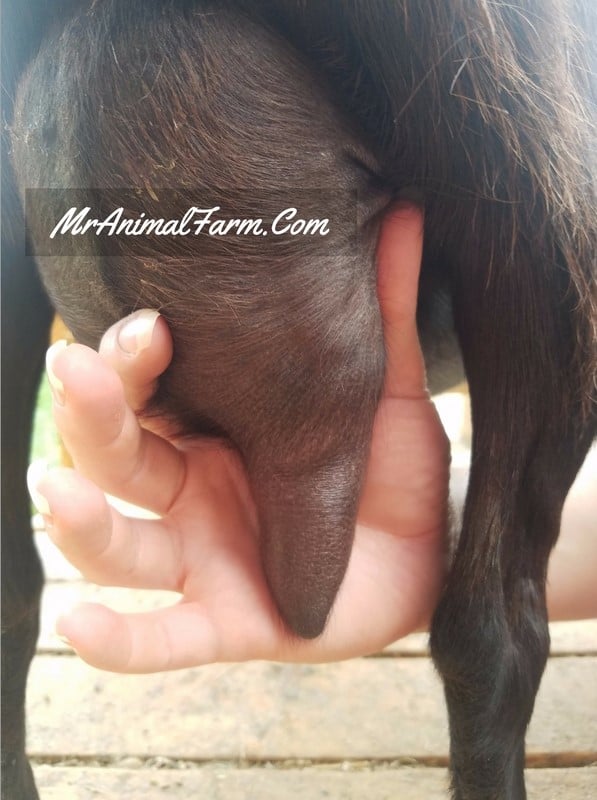
    Access The Organized Chicken Keeper Here

    Black Copper Marans

    By MrAnimal Farm

    French Black Copper Marans Rooster

    French Black Copper Marans are some of the most beautiful and unique birds you can add to your flock.

    French Black Copper Marans Rooster
    This is our French Black Copper Marans Rooster, Buster

    If you are looking to expand your flock with some interesting breeds of chickens then keep reading. The Black Copper Marans is special in just about every way.

    You want impressive plumage? Check!

    Feathered legs? Check!

    Dark, chocolate colored eggs? Check, check, and check!

    Everything About Black Copper Marans

    Maybe you've heard of Black Copper Marans before. Maybe you haven't. Either way, I bet you didn't know about their rich history.

    Origin And History

    Before we dive into how to recognize and care for a Black Copper Marans, let's learn a little about where they came from.

    The Marans breed has been around since at least the early 1900's. They are believed to have originated in the La Rochelle region of southwest France.

    Back then, they were not the breed that we recognize today. But, they started to co-mingle and breed with some of the hens and gamecocks brought back from seaman from places like India and Indonesia.

    It was at this point that the breed became more popular and widespread and started to be crossed/mated with even more breeds of chicken. Breeds like:

    • Croad Langshan
    • Brahmas
    • Coucou de Malines
    • Coucou de Rennes
    • Gatinaise

    These sporadic breedings caused, as you can imagine, a whole cavalcade of different colors, feather types, patterns, etc. It was a chaotic mess and people lost interest in the breed to the extent that they almost went extinct.

    However, thanks to the French Department of Agriculture, the breed was able to be saved just after World War II. They instituted a new breeding program with an emphasis on increasing egg production.

    The program was such a success that by 1952, the average Marans was laying about 200 eggs a year. Once the program officially ended, the breed was popular enough that amateur breeding was able to continue the work and keep the breed thriving.

    Appearance

    Now that you know some of the history of the Black Copper Marans, let's get into some of their more prominent traits.

    Color & Feathering

    Obviously, from their name, you can assume a bit about their coloring. They do have black and copper feathers. They also have some dark reds and, at the right angle, the black feathers can give off an iridescent, green hue.

    The hens are not quite as impressive as the roosters. They are mostly covered in black feathers with a hint of reddish copper.

    French Black Copper Marans Hen

    Roosters have a cascading waterfall of red and copper hackle feathers that flow seamlessly into their equally bright red and copper saddle feathers. This is topped off with a vibrant tail boasting black and translucent green feathers.

    Both hens and roosters have black feathering that goes all the way down their legs and onto their feet.

    Size

    Black Copper Marans are considered a medium to large size breed. Some of the larger roosters can grow over 8 lbs. For the most part they stay in the 7 to 8 lb range, though. The hens are a good bit smaller, tipping the scales at around 6 ½ lbs.

    Comb & Wattles

    Marans, like many other chickens, have a bright red single comb. You can recognize a single comb by it's distinct ridges, or spikes, that run from the tip of the beak all the way to the back of the head

    Just beneath their beak, they also have bright red wattles. The wattles will run the length of the jawline and just under their ears.

    The comb and wattles are a vital part of a chicken's regulatory system. Blood will run through them, heating or cooling as needed and then circulate through the rest of their body.

    APA Breed Standards

    Marans were officially welcomed as a recognized breed by the Pultry Club of Great Britain back in 1935. It took the American Poultry Association (APA) all the way up until 2011 to finally accept them as a standard breed.

    As such, they have to fit a specific breed profile to maintain their credentials. Some of these features include red plumage with no yellow or mahogany. They must have a black body and stern with no lacing of the feathers. Their eye color can only be a red/bay blend.

    Need some help keeping your chickens health and care taken care of? Check out the Organized Chicken Keeper for an easy to follow system.

    What Are They Like?

    If you keep chickens in your backyard you, no doubt, want to know what their behavior will be like.

    Temperament

    Black Copper Marans are a great backyard breed. They are a pretty gentle and docile breed. Marans tend to enjoy free ranging and are good at foraging for themselves.

    They are not particularly aggressive towards children or pets. They can get a bit aggressive towards other roosters if they feel like their territory/hen flock is being threatened.

    Environment

    They do well in both the heat and the cold. We have not noticed a significant drop in egg production even during the coldest months.

    French Black Copper Marans Chicks

    What Is Their Purpose?

    Most likely if you own chickens you want one or a combination of three things; eggs, meat, or pets. Marans are capable of meeting all three of those needs (although we do not advocate eating your pets).

    We'll start with the easiest one first; pets.

    Pets

    As we've already mentioned above, Black Copper Marans are a pretty laid back, docile breed of chicken. They make a great backyard companion. If you want a pet, they make a good candidate.

    They aren't so friendly that you can pick them up and carry them around, but they will come greet you at the door (especially if you have food).

    Meat

    Since Marans grow so large (the roosters can hit 8+ lbs), they technically qualify as a dual purpose chicken. So, you can raise Black Copper Marans chickens as meat birds and have plenty to go around.

    However, at the time of this writing, they are still pretty rare in the US and can cost quite a bit of money to add them to your flock. There are much cheaper routes you can go if you want strictly meat birds.

    Eggs

    Their eggs are likely the most famous trait that the Marans possess. We'll address why in a moment. First, let's go over their production levels.

    Because of the French Department of Agriculture's efforts way back in the 1930's, the Marans breed became a pretty high producing egg layer.

    Like most chickens, they will start laying between 18 to 24 months and have be most productive for the following 2 years. You can expect the get around 3 eggs a week from a healthy hen. That is around 150 to 200 eggs per year. Just a handful of these birds can easily feed your entire family.

    Now, why are they famous for their eggs?

    Chocolate Eggs

    Obviously, they don't lay actual chocolate eggs. They do, however, lay eggs that have a deep, dark, chocolate brown color. In the image below, you can see how they stand out from white and even other brown eggs.

    hatching eggs

    What's really interesting is, unlike most eggs that have a colored shell (like chickens that lay green eggs), the dark color is added after the shell has formed.

    The dark coloring is actually a brown pigment that gets deposited into the shell (which is actually a white shell) when the hen lays the egg. It actually comes out wet. You could wipe some of the coloring off if you get a freshly laid egg.

    The brown pigment starts off very dark and will get lighter as the hen goes further into her cycle. After molt, the pigment usually comes back darker again.

    Quickly and easily assess your flocks health without missing a step by using this free download: The Chicken Care Checklist.

    Common Questions

    Here are some of the more common questions we came across while researching this topic.

    Are Marans friendly?

    While they are not exactly "pick up and carry around like a baby" friendly, they are pretty mild mannered and docile.

    What age do Black Copper Marans start laying?

    Most hens will start laying around 18 months of age. There are some signs you can look for to tell when your chicken is about to start laying eggs.

    Can one chicken lay 2 eggs a day?

    It is technically possible, but not common AT ALL. It takes more than a day, typically, for a hen to produce an egg, so it's unlikely for them to lay two eggs in one 24 hour period. You are much more likely to see a double yolk in a single egg.

    Are Black Copper Marans dual purpose?

    They do technically qualify because they are medium to high production layers and the roosters get up to 8 lbs. However, at least in the US, Marans are still kind of rare and, thus, expensive. If you want to raise dual purpose chickens there are other better and cheaper candidates, like the Rhode Island Red.

    What color eggs do Marans lay?

    As we stated above, Black Copper Marans lay a deep chocolate brown egg.

    Do Maran eggs taste different?

    Unfortunately, the chocolate similarities stop at the color. Marans eggs taste just like any other chicken's eggs.

    What breed of chicken lays the darkest eggs?

    The French Black Copper Marans lays the darkest eggs. However, some will claim the Penedesenca, which lays a dark reddish brown egg, is darker.

    What chicken lays purple eggs?

    There are some Araucanas that lay blue eggs with a slight lavender hue to them. But there are no chickens that lay specifically purple eggs. In addition to blue, white, and brown, there are also chickens that lay green eggs, if you want some color variety.

    Do black eggs exist?

    There are no known chickens that lay black eggs. There may be some out there but none that have been discovered yet.

    Are There Other Types Of Marans Chickens?

    Yes. There are 9 different varieties of Marans chickens recognized by the APA.

    • Birchen Marans
    • Black Marans
    • (French) Black Copper Marans
    • Black Tailed Buff Marans
    • Columbian Marans
    • Cuckoo Marans
    • Golden Cuckoo Marans
    • Wheaten Marans
    • White Marans

    Are Black Copper Marans Cold Hardy?

    Yes. They do very well in both hot and cold climates. Take the typical precautions for whichever environment you live and they will do just fine.

    Conclusion

    French Black Copper Marans are definitely an eye catching addition to your flock. So, what do you think? Will you be including Marans the next time you get more chickens? Let us know in the comment section below.

    If you need more help with taking care of your chickens, check out The Organized Chicken Keeper for a complete system for managing their health through keeping their supplies stocked and coop clean.
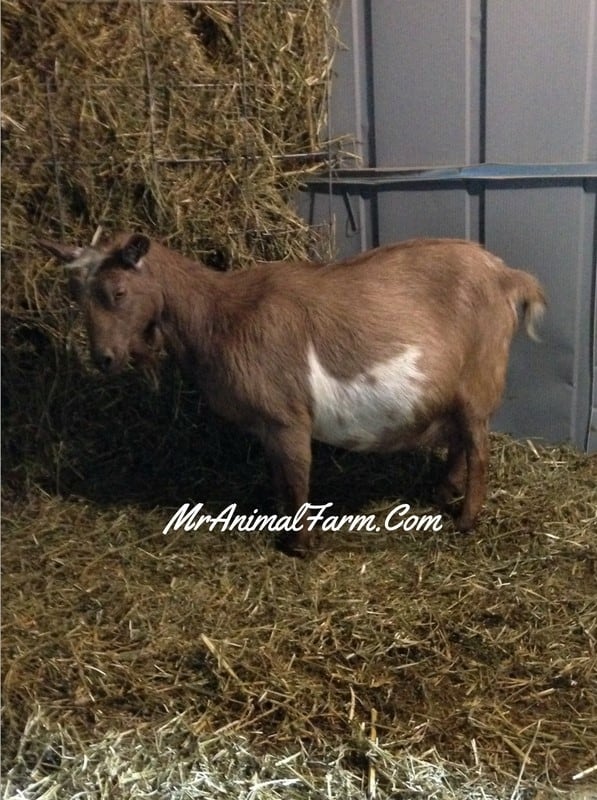
    Access The Organized Chicken Keeper Here

    Sapphire Gem Chicken

    By MrAnimal Farm

    sapphire gem chickens

    Sapphire Gem chickens great egg layers who start laying around 18 - 24 months old. They are a sex-linked, hybrid chicken with a beautiful appearance and docile, friendly personality. They are a medium sized, productive and low maintenance breed that is just perfect for anyone's backyard!

    Keep reading to learn a little more about them.

    sapphire gem chickens
    picture courtesy of The Flip Flop Barnyard

    Sapphire Gem Chicken Origin

    The Sapphire Gen Chicken is as mysterious as it is beautiful. It is not an approved breed according to American Poultry Association standards and there is a lot of speculation around it's breeding history.

    History

    A Sapphire Gem Chicken is not officially a recognized breed by the APA. They are a hybrid breed of chicken. That just means they are the result of two other breeds being crossed. However, there is MUCH speculation about exactly which two breeds are used.

    One interesting fact about this style of breeding is that they do not breed true. If you're not up on your chicken lingo, that just means that if you breed two Sapphire Gem Chickens together, they will not necessarily produce another Sapphire Gem Chicken.

    We do know that they originated in the Czech Republic and eventually made their way to the US. We also know that one of the breeds with which they are crossed is the Blue Plymouth Rock.

    The other breeds believed to have been crossed with are the Barred Plymouth Rock or the Disallowed Plymouth Rock.

    You may have also heard of them referred to as Sapphire Treasures, Saphire Blue Plymouth Rock, or just Blue Plymouth Rock. If you hear any of those names, they are most likely all referring to the same breed. Although there can be confusion with the Blue Plymouth Rock.

    Sex Linked

    Different chicken breeds have been bred, over time to be sex linked. (Make sure you know how chickens mate if you need more chicken breeding details.) That just means that you are able to sex the chickens pretty soon after hatch. In fact, having a sex-linked breed is one of the best ways to sex a chicken when it is young.

    If the chick is a sapphire gem hen it will likely be solid blue.

    If the chick is a sapphire gem rooster, it will also be solid blue with white dots on it's head or wings.

    Need some help keeping your chickens health and care taken care of? Check out the Organized Chicken Keeper for an easy to follow system.

    What Do They Look Like?

    Obviously, you will want to know what they look like.

    Color

    Hence the Sapphire part of their name, they are typically a blue color. You will also find some hints of lavender, as well.

    The roosters of the breed are a little larger and are mostly blue with a white dot on their head.

    The hens are also blue with a ring of gold or grey around their necks.

    Size

    Sapphire Gem Chickens are not a large breed. They would fall into the category of medium sized chickens. They will fit right in with your Easter Eggers, Ameraucanas, and Araucanas.

    The hens generally get to be about 4 lbs while the roosters grow to around 5 lbs.

    Comb

    Sapphire Gem Chickens are single comb chickens. That just means their comb is a single strip that begins at the tip of their beak and runs to the top of their head. It will also sometimes have spikes or ridges that go along the full length.

    What Are They Like?

    Let's talk a little bit about their diet, temperament, egg production, and care.

    Diet

    Sapphire Gem Chickens are great foragers and love to free range. This is part of what makes them a great backyard breed. You can also feed them a supplement of standard layer feed and they will do great.

    Temperament

    Their temperament is pretty calm and docile so they are safe to be around small children and pets.

    The only times they really get worked up is when they sense a predator is near by. Then they will squawk, flap their wings, and alert the flock to the danger.

    Other than the occasional predator alarm, they are very laid back. If you want to carry your chickens around like pets, this breed is perfect for that.

    Eggs

    For lacking in size, they put out a LOT of eggs. And not just small, Silkie sized eggs. Sapphire Gem Chickens lay about 4-5 LARGE, brown eggs a week. That is almost 300 eggs a year!

    They'll start laying eggs around 18-24 weeks old and, like most chickens, will start slowing down after year 2. How long a chicken lays eggs can vary based on their health, but a healthy chicken can continue to lay for several years after that.

    Care

    They do very, very well in warm climates. However, they are pretty cold hardy, as well. As with any chicken, you will want to monitor their physical appearance and behavior to make sure their environment is not negatively affecting their health.

    That means, in the heat, make sure they have plenty of water, shelter, and air circulation. You can even give them a fan, frozen fruits and veggies, or a big block of ice to keep them cool.

    In colder environments, make sure their coop has circulation but is mostly draft free. You will also need to make sure they have cover from rain, snow, or any other cold weather hazards.

    Since they are a single comb breed, they are also susceptible to frost bite. Keep an eye on their combs and make sure they are not looking cracked or wind chilled. You can help them by adding a little non-moisturizing, wax based cream to prevent frostbite.

    sapphire gem chicks
    picture courtesy of The Flip Flop Barnyard

    Common Questions

    We ran across some common questions while researching this breed. Some of these we answered already, but we can do quick rapid fire answers again.

    Are Sapphire Gem Chickens friendly?

    Yes, sapphire gems are friendly easy going chickens.

    How much are Sapphire Gem chickens worth?

    Sapphire Gem chickens are worth around $4-$6 as day old chicks. Males will be on the lower end - usually $3.50 - $4. Females will be on the higher end of $5 - $6. As with most breeds, the older they get, the more they will cost.

    What size eggs do sapphire gem chickens lay?

    They lay a large to extra large sized egg.

    What color eggs do sapphire gem chickens lay?

    They lay large brown eggs. If you want chickens that lay a variety of colors, you can read about blue egg layers or green egg layers.

    Are sapphire gem chickens good layers?

    They are very good layers. For a medium sized chicken, they heavy a pretty heavy production schedule that does not seem to be impacted by the heat or cold. A few of these chickens can easily feed a family.

    How many eggs do sapphire gem chickens lay?

    They can lay between 250-300 eggs a year. That's about 4 or 5 a week.

    How long do they live?

    A Sapphire gem chicken have a pretty typical lifespan for a chicken which is from 5 - 10 years.

    Are sapphire gem chickens cold hardy?

    They prefer the warm weather but are very cold hardy. They do very well in the cold and do not seem to slow down their egg laying.

    Conclusion

    Sapphire Gem Hens are a great, all-around breed. If you want something pretty, friendly, and a good egg producer, you can't go wrong with a few of these in your flock!

    If you need more help with taking care of your chickens, check out The Organized Chicken Keeper for a complete system for managing their health through keeping their supplies stocked and coop clean.
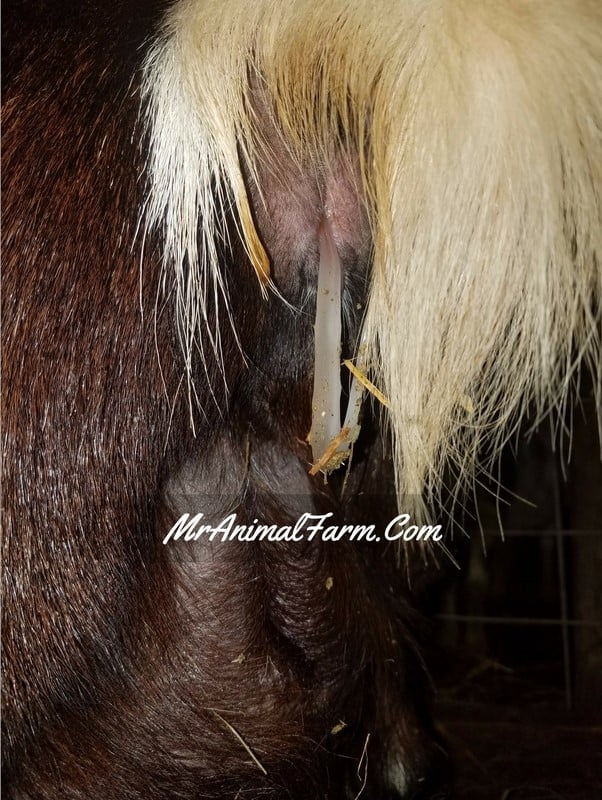
    Access The Organized Chicken Keeper Here
    pinterest image. Text reads,

    Molting Chickens - What, Why & How to help!

    By MrAnimal Farm

    Molting Chickens

    Molting chickens may be a huge surprise for first time chicken owners.  I know that it was for us.  One day we went out to check on the girls and there were feathers EVERYWHERE!

    Molting Chickens in a chicken run

    What the heck?!  I mean, it seriously looked like a huge pillow fight had happened overnight.  None of the chickens seemed to be hurt, injured or missing.  But we wondered what would cause this?  Did they narrowly escape a predator attack? Do they have some weird chicken disease?

    Feathers from molting chickens.

    If you own backyard chickens, you should definitely learn about molting chickens so that you know what to expect and how to help them through molt.

    If you have a chicken losing feathers all over, it is likely that you have molting chickens.  Luckily, molting chickens is a very normal, annual occurrence and is one of the annual parts of keeping your chickens healthy.

    What does molting mean and What are molting chickens?

    So, what does molting mean?  Molting, by definition, is losing and then replacing feathers, skin, shells etc. (source). Does that mean other animals also molt?  The answer is yes!  For example, ducks also molt.

    In chickens, the answer to is (very simply put) the loss and replacement of their feathers.  This loss of feathers usually starts at the head and progresses down their body to their tail.  They then start gradually growing in new feathers to replace the old ones.

    Chicken with bare chest due to losing feathers while molting.

    How Can I Tell If My Chicken Is Molting?

    Molting chickens will usually have a significant decrease in egg production - often times they actually stop laying all together.  This is due to the fact that producing new feathers is a high energy and protein demand on the chickens body.  Thus taking away their ability to put energy into making/laying eggs.

    Another sign of molting is a noticeable change in their behavior toward you. As we've mentioned, molting is a pretty resource heavy process. Chicken's feel very vulnerable during this time. They may start to avoid you or even become more aggressive to you, pets, or other chickens.

    They haven't suddenly turned psychotic. Fear and aggression are natural responses to when an animal feels vulnerable. Give them space and make sure they, and the rest of your flock, are safe and they will get through it just fine.

    Need some help keeping your chickens health and care taken care of? Check out the Organized Chicken Keeper for an easy to follow system.

    When do chickens molt?

    Now that you know the answer to what is molting, you may also wonder:  when do chickens molt?  Chickens typically molt in the Fall.  When daylight hours start to shorten, you will usually see molt start.

    chicken missing back feathers from molting.

    Not all molting chickens will follow the exact same timeframe.  So, you may see some start sooner or later than others.  But, in general, they will complete their molt in Fall time.

    Why do chickens molt?

    Simply put, chickens molt to renew their feathers.  You can even see a mini-molt in young chicks about 1 - 2 months old as they blow their chick fluff and grow in their adult feathers.

    How long do chickens molt?

    Wondering about the question how long do chickens molt?  The answer to this is a bit of a range.  Different chickens will take a little longer than others to complete their molt.

    However, in general, molting chickens usually take about two or so months.  Some chickens loose a ton of feathers and take quite a while to grow them back in and those chickens can molt for upwards of four months.

    How often should you expect molting chickens?

    As mentioned above, chicks will actually molt a few times before they are adults.  They molt to blow their chick fluff and then again at a few months old to get their adult feathers in.

    After chick molts, how often do chickens molt?  Typically chickens molt once (sometimes twice) a year.

    However, other triggers can cause non-seasonal additional molts.  Some of these triggers would be:  being broody or a poor diet

    How to help molting chickens

    Molting puts a lot of stress on the chickens - it take a lot of energy and protein to make all those new feathers.  So, feeding plenty high protein, high quality food will help your chickens produce those feathers more easily.  Also, try to cut out any filler type foods like regular scratch.

    Try giving high protein snacks as well like mealworms.

    Chickens eating mealworms.
    Yummy!

    In addition to food intake, try to reduce overall stress.  Don't introduce new chickens to your flock while molting.  Also, try not to handle the chickens too much - those new feathers growing in can be sore and can actually bleed pretty easily.

    Other reasons for a chicken losing feathers:

    So, is molting chickens the only reason for a chicken losing feathers?  No, it is not!  So, if you have a chicken losing feathers and it doesn't seem like a typical molt, you may want to look a little closer.

    Chicken mites and chicken lice can cause a chicken to lose it's feathers.  Also, if a chicken is low in the pecking order and is getting picked on a lot, it can cause patches of feathers to be lost.

    How Can I Tell If My Chicken Is Molting Or Has Mites?

    They bother look similar upon first inspection. However, there are other signs to look for that signifies mites. A chicken who has a mite infestation will have less energy and be more lethargic. You may notice them laying around a lot more.

    Mites will also cause your chicken's vent area to become messier than normal. Their vent feathers will start to look dirtier as well as they will irritated a scabby skin.

    You may notice a further decrease in their egg production than they would have while normally molting. They can also start to become anemic due to blood loss. You can tell by a lack of color in their comb and wattles.

    If you need more help with taking care of your chickens, check out The Organized Chicken Keeper for a complete system for managing their health through keeping their supplies stocked and coop clean.
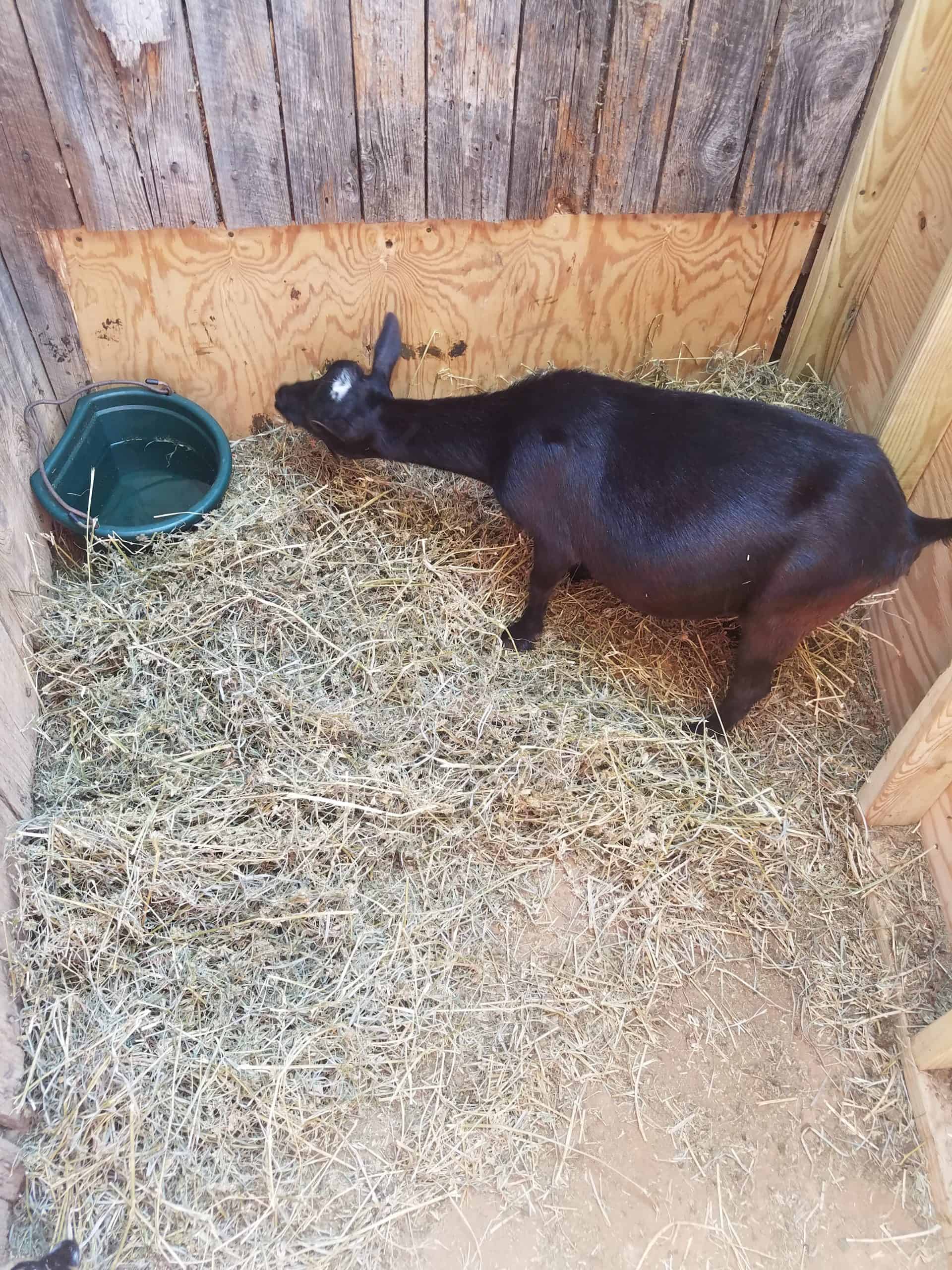
    Access The Organized Chicken Keeper Here
    pinterest image. text reads "what happened to my chicken's feathers?"

    How Long Do Chickens Lay Eggs?

    By MrAnimal Farm

    How Long Do Chickens Lay Eggs

    If you have decided to start with backyard chickens, you are probably trying to learn all that you can about your new animals!  Most people keep chickens for eggs, so you might be wondering how long do chickens lay eggs?

    How Long Do Chickens Lay Eggs promo image with easter egger chicken

    When we got our first chickens, we did research on the different chicken breeds, learned when chickens start to lay eggs, which breeds are the highest producers, and if roosters lay eggs (this is an easy way to sex a chicken and know which are hens or roosters).

    However, at the start of our chicken keeping adventure, we did not ask how many eggs a chicken will lay.

    How Long Do Chickens Lay Eggs?

    After having our chickens for a little while, one Spring we found that we had much less in the way of eggs than we had in previous years.  We knew how often chickens typically lay eggs and we just weren't getting that many.

    Hmm, we started to wonder why we had a decrease in egg production.

    3 eggs in grass

    As we started to go through the list of decreases, we realized that it was not a matter of health or environmental components.  Rather, it was the pure age of our layers.

    How Many Eggs Does a Chicken Lay?

    So the question isn't so much "how long do chickens lay eggs?", the real question is "how many eggs will a chicken lay?".  You see, chickens are born (or hatched) with a set number of eggs.

    2 chickens walking in grass

    This means that a chicken can only lay up to the amount they they are hatched with.  Many times it will be other factors, like health, predators, etc, that will ultimately prevent them from laying all of the eggs with which they are born.

    Good egg production chickens, like the Rhode Island Red, will lay between 200 and 300 eggs for their first two years.  After their first two years they will start to drastically decrease the amount of eggs that they lay.

    Because of this, there is a pervasive myth that chickens will ONLY lay eggs for two years. That is not true at all. Assuming they are kept safe from predators, illness, and injury, chickens will continue to lay for the vast majority of their lives.

    So, as chickens age, their egg production decreases.  This might lead you to wonder, how long do chickens live?

    A chicken doesn't just stop laying eggs, but there are ways to tell if a chickens is still laying eggs or is close to stopping production.  So, once your hen hits the two year mark she will still lay, but it may not be as steady as her prime years.

    Need some help keeping your chickens health and care taken care of? Check out the Organized Chicken Keeper for an easy to follow system.

    Can You Predict How Long They Will Lay?

    Not really. There is no absolutely precise answer to how long will they lay.  You can make the assumption that after age two, egg production is likely to start decreasing.

    The breed of your chicken will also play a factor into how long they will lay. The easiest way to differentiate the different types of egg layers is to sort them into heritage breeds and industrial breeds.

    Will egg color affect how long chickens lay eggs?

    No, egg color does not affect how long chickens lay eggs. Chickens that lay colored eggs can lay just as long as chickens that lay white eggs. For example, Easter Eggers are chicken that lays blue eggs, brown, lay green eggs, and pink eggs and their laying longevity is not at all hindered.

    eggs on a bale of hay

    Heritage Vs Industrial Breed Chickens

    Breeds that are mass producers are considered industrial breeds. These are breeds like the White Leghorn. They tend to lay much heavier in the beginning of their lives and therefore have much more dramatic slow downs as they get older.

    Heritage breeds that are a more moderate producer may continue to be a low to moderate producer a bit after the two year mark because they have not completely depleted their egg reserve in the first two years.  They will still likely slow down their laying after two years but it will be a much less dramatic change.

    Heritage breeds are chickens like the Black Austrolorp or Speckled Sussex.

    Flock Reduction

    The chicken and egg industry has a pretty big impact on the numbers around average egg production. One of the variables that effects the average numbers is that most commercial egg producers cull their layers around age 2.

    As we have discussed, there is a production drop off at that age and for commercial producers that makes it not as economically advantageous to keep those hens around. So a lot of the numbers you see, are kind of skewed by mass production averages.

    In terms of backyard chickens, many backyard chicken keepers will keep hens around whether or not they are pumping out the eggs.  Also, backyard chicken keepers sometimes have heavy producing breeds like sex links and leghorns, but often times have dual purpose chicken breeds and other more moderate producers.

    closeup of chicken

    As we discussed above, these more moderate producers will produce longer since they are not laying all their eggs by age two.  We have some older girls in our layer flock - aged about 5 - who still give us an occasional egg.

    So, exactly how long do chickens lay eggs?  They lay really well from point of lay until around age 2.  But moderate layers can continue to produce decently until older ages 4 to 5 and maybe even later.

    Make sure to take these facts into account when deciding which chicken breeds you want to get.  Do you want mass producers that will dry up around age 2?  If so, will you cull them and get new birds then?

    Do you want moderate producers that may lay less eggs overall, but will lay longer and will lessen the need to cull and replace as often?

    If you need more help with taking care of your chickens, check out The Organized Chicken Keeper for a complete system for managing their health through keeping their supplies stocked and coop clean.
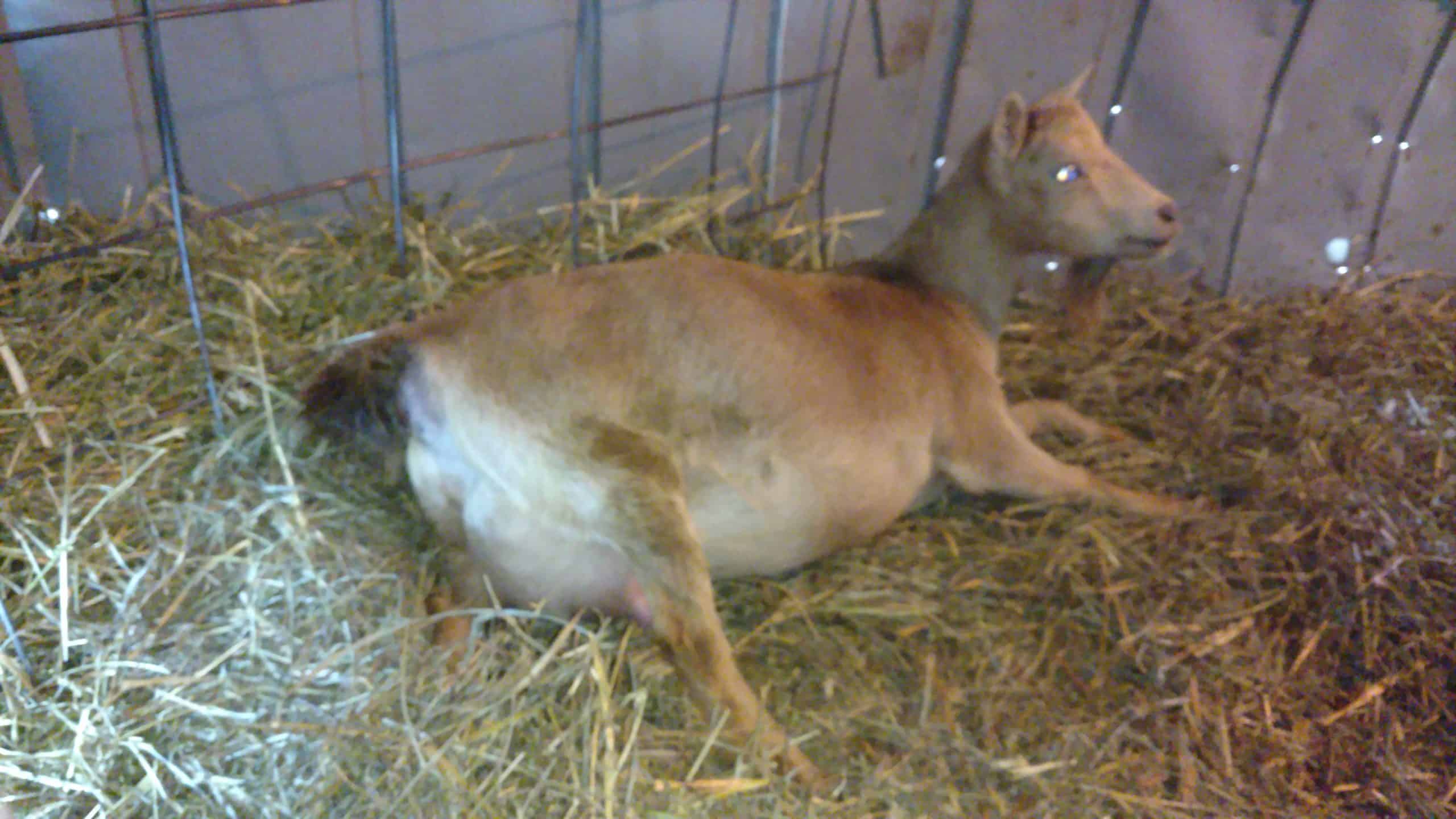
    Access The Organized Chicken Keeper Here
    How Long Do Chickens Lay Eggs

    Rhode Island Red

    By MrAnimal Farm

    rhode island red rooster

    The Rhode Island Red is one of, if not the, most well known chicken breeds. That's for good reason, too! They are great layers, a friendly and hardy breed, and can live just about anywhere. These qualities make them a particularly easy to care for chicken.

    rhode island red rooster
    By HeatherLion - edited version of https://en.wikipedia.org/wiki/File:Royal-_A_Rhode_Island_Red_Rooster.jpg, CC BY-SA 3.0, https://commons.wikimedia.org/w/index.php?curid=37938053

    But other than the name and their color, which is in their name, what do you really know about the Rhode Island Red? This is your ultimate guide to Rhode Island Red Chickens.

    Everything About The Rhode Island Red Chicken

    To get you acquainted with raising Rhode Island Red chickens, we wanted to cover 3 important areas; what do they look like, what is their personality and temperament like, and what is the Rhode Island Red used for?

    Let's start with their most distinguishing feature; their appearance.

    What Do They Look Like?

    The first thing you notice when you see a chicken is what they look like.

    Color

    We'll start with the most obvious feature; which is their color. The Rhode Island Red is, obviously, red. It is generally a darker, deeper red, like burgundy than a bright, fire engine red.

    Hens are a pretty uniform red color. Whereas, roosters will sometimes have color variations in their saddle feathers and tail feathers. These color variations can vary from darker or lighter shades of red all the way to a dark, shimmery green.

    In both hens and roosters, their skin is yellow. They also have yellow beaks, yellow legs, and yellow feet.

    Size

    The Rhode Island Red is considered a large breed chicken. Large breed chickens are ideal for meat birds. Like most breeds in the animal world, the males of the species are a good bit larger than the females. That is no different with the Rhode Island Red.

    Interestingly, this breed is so popular that they have also been breed down in size. These made bantam chicken versions are just the like full size breed only about half the size.

    Rhode Island Red Rooster vs Hen

    What are the differences between the RIR roosters and hens? First, they have a significant size difference. Rhode Island Red roosters tend to clock in around 8.5 lbs. Hens tend to clock in smaller at around 6.5 pounds.

    Color wise, while both roosters and hens are the typical red color, roosters tend to be a deeper, darker red with a green sheen on their tail, hackle and saddle feathers. While, the hens tend to be a slightly lighter red all over their entire body.

    Additionally, like with other chicken breeds, roosters will have larger combs and wattles than hens.

    American Poultry Association (APA)

    This breed has been officially recognized by the American Poultry Association and, in the early 1900s, was entered into the Standards of Perfection. So, do not be surprised if you happen to see some at an APA sanctioned show someday.

    Comb & Wattles

    They also have a bright red single comb. A single comb is one of the more common types of chicken combs. It starts at the edge of the beak and is a single strip all the way to the top of the head. It is recognizable by several ridges or spikes that run it's length.

    In addition to a bright red single comb, they also have a set of bright red wattles. These wattles are located directly under their chin and run to the back of the jawline.

    Chickens use their combs and wattles as part of their body's regulatory system. Similar to a goat's or cow's horns, blood flows through the looser, thinner skin, is cooled or warmed, and then runs back through the body helping the chicken keep a constant temperature.

    Need some help keeping your chickens health and care taken care of? Check out the Organized Chicken Keeper for an easy to follow system.

    What Are They Like?

    We split this into two categories; personality and temperament.

    Personality

    You will find, the longer you raise chickens, that they each do indeed have their own little personalities. The Rhode Island Red is pretty calm and laid back. At least for a chicken, anyway.

    They are also pretty docile. You're not going to find too many of them that are overly irritable or aggressive. They don't typically attack kids or pets. They make great additions to backyard flocks for this very reason.

    Temperament

    In addition to having pretty great personalities, they also have great temperaments. Unlike some other egg production hens, they do not tend to go broody too terribly often. That means you will have less times when they do not lay eggs.

    They adapt really well to coop life. They learn where to go at night and where they can roam in the day. Reds can live pretty much anywhere but are not big fans of really hot areas. However, they do well in the cold and are very cold hardy.

    What Is Their Purpose?

    Most often people get chickens for one of two reasons. They either want as many eggs as it takes to keep their family fed or they want to raise their own meat source. I guess some people just want a pet too, but that's not too terribly common.

    Rhode Island Reds are great because they are what is called a dual purpose chicken breed. That just means that they are suitable for both meat production and as reliable egg layers.

    In fact, they are such solid birds that they have been used to create a whole slew of hybrid production breeds such as red star chickens.

    Meat

    As we mentioned above, Rhode Island Reds are a large breed chicken; growing anywhere between 6 ½ to 8 ½ lbs depending on if it's a hen or rooster. They also grow very quickly, especially if you have them on a meat bird diet.

    Large breed chickens make great meat birds. Because they get so large so quickly they are a very affordable meat source.

    Eggs

    The more common purpose for chickens, at least in backyard flocks, is that of egg production. And, boy, do Rhode Island Reds produce some eggs. With just a few hens, you can feed a family of 5 eggs for breakfast every day of the week.

    Since they do not tend to go broody, they stick to a pretty consistent schedule when laying eggs. Rhode Island Reds will typically lay between 200 and 300 eggs a year. They lay brown eggs that are considered to be extra large eggs.

    If you want to get chickens for eggs, the Rhode Island Red is a fantastic choice.

    rhode island red hen
    By Palmertet - Own work, CC BY-SA 4.0, https://commons.wikimedia.org/w/index.php?curid=74169930

    What Care Do They Need?

    When you keep chickens, you want to make sure they are well cared for. Here are some quick tips to make sure they have a happy and healthy life.

    Diet

    Chickens need to have a consistent and reliable source of food. They can get a large portion of their needs just from free ranging, but they may not get all of their nutrients that way.

    Fortunately, you can find a decent quality layer feed in any farm store. They are made specifically for laying hens and will meet all of their nutritional needs. You can tell if they are getting enough nutrients when they are laying extra large brown eggs with bright (not pale) yellow, almost orange, yolks.

    Coop

    Your chickens need to have access to a warm, dry coop or living space. It should be well ventilated and cleaned regularly. A chicken coop can get pretty gnarly real quick if not maintained regularly.

    The general rule is each chicken should have between 2 and 3 square feet of space in the coop. We have found they are happier and healthier if you can get it closer to 4. If you also have a run for them, try and keep that space to around 12 square feet per chicken.

    General Health

    Chickens are susceptible to a lot of respiratory diseases. Some of them are in the soil. Some of them can be transmitted by wild birds. It's common and there's not a lot one can do other than keep their living area as clean as you can.

    With that being said, Rhode Island Reds are a pretty healthy and hardy breed of chicken. They do not seem to have any more health issues than any other breed of chicken

    What Breeds Are Similar To The Rhode Island Red?

    Rhode Island Reds aren't the only chicken that is suitable to the backyard or makes a great dual purpose chicken.

    Black Australorp

    Black Australorps are fantastic dual purpose chickens. They grow to a similar size as Reds and may lay eggs even more often.

    Speckled Sussex

    The Speckled Sussex is another similarly sized dual purpose breed of chicken. They lay a little less often than Reds, around 3 to 4 times a week. They are incredibly hardy and can live for a long time. We had a girl for 8 years before a predator finally picked her up.

    Common Questions

    Here are some of the most commonly asked questions we came across while researching for this ultimate guide.

    Are They Friendly?

    As we mentioned above, the Rhode Island Red chicken is pretty docile and laid back. They are one of the more friendly breeds of chickens out there. They make great backyard chickens because they integrate well with young kids and pets.

    How can you tell if a Rhode Island Red chicken is a rooster?

    The obvious sign is that the Rhode Island Red rooster is larger in size than the Rhode Island hen. They also usually have larger combs, wattles, and more impressive feathers. These are the quickest ways to tell if you have a hen or a roo.

    Are they noisy?

    No, they are not super noisy. In our experience, they can be a little chatty, but don't overall make much noise.

    Do Rhode Island Red chickens get along with other chickens?

    Yes, they can get along with other chickens. However, in our flock, we have noticed that they tend to heavily pick on other chickens - both other breeds and other chickens of their same breed as they are establishing a pecking order.

    Are Rhode Island Red Chickens Cold Hardy?

    Yes, they are known for being very cold hardy.

    What are they known for?

    They are known for their fantastic laying ability. However, they are also considered a dual-purpose breed as they are big enough to be used for meat as well.

    How many eggs do Rhode Island Reds lay a day?

    Like we mentioned above, Rhode Island Reds are prolific layers. They usually lay in the 200 to 300 eggs per year range. That breaks down to around 5 eggs a day per hen.

    What age do production Reds start laying eggs?

    Chickens usually start laying eggs reliably around the 18 month mark. You can also spot certain signs when your chicken is about to start laying eggs.

    Conclusion

    The Rhode Island Red really is a pretty magnificent bird. They make great additions as a backyard pet for the family. You can also raise them as a reliable source for eggs. They also grow really large and make great meat birds.

    If you are looking for the perfect breed to grow your flock or you're just getting started, Rhode Island Reds are a great place to start! Do you have any Rhode Island Reds? Let us know your favorite chicken in the comments below.

    If you need more help with taking care of your chickens, check out The Organized Chicken Keeper for a complete system for managing their health through keeping their supplies stocked and coop clean.
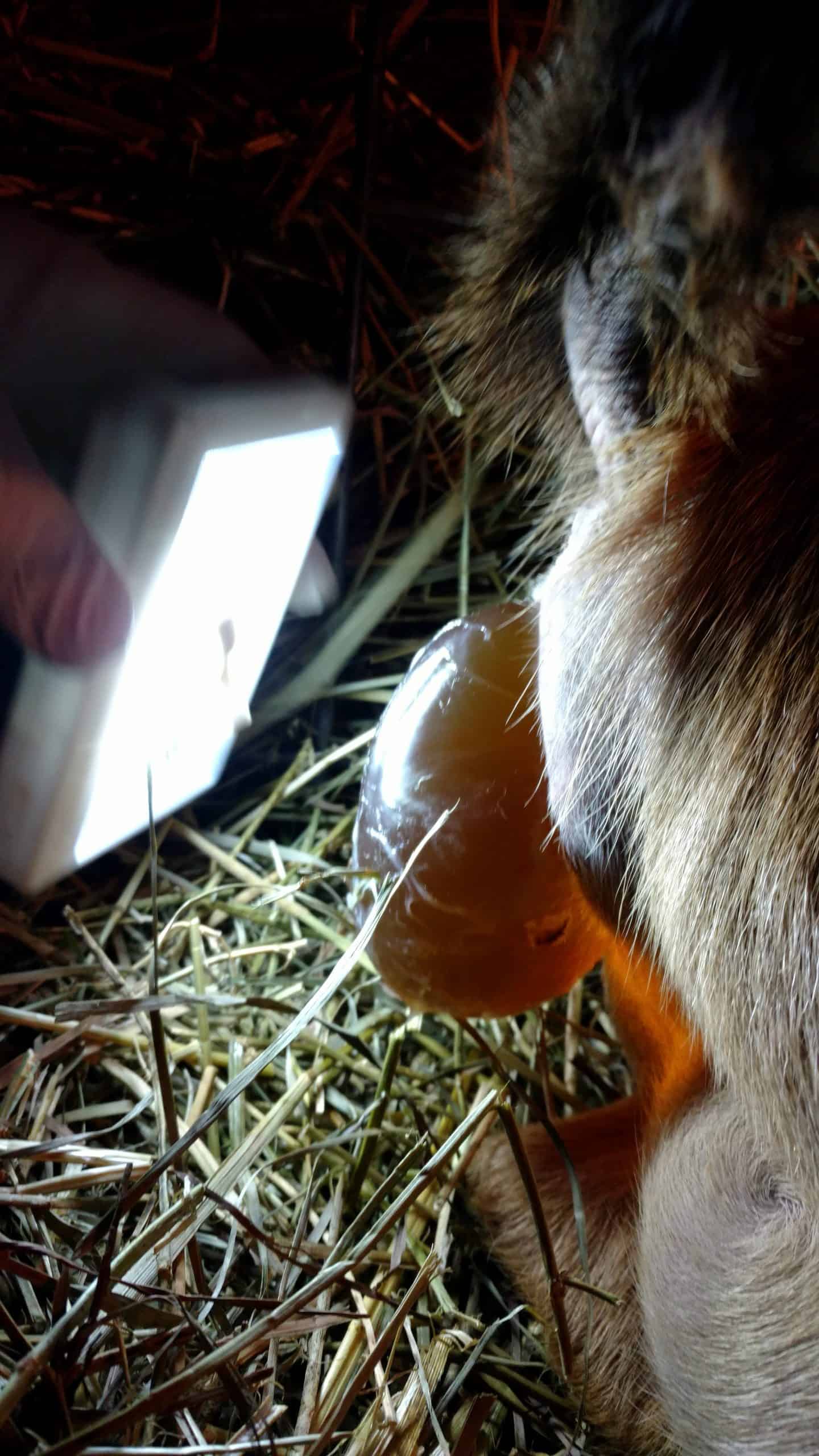
    Access The Organized Chicken Keeper Here

    Can Chickens Swim?

    By MrAnimal Farm

    chickens around water bowl

    We've all seen the videos on Youtube of chickens doing their best duck impression, kicking around in a backyard kiddie swimming pool. We think it's cute too. But, it got us wondering can chickens swim or were these just some unique birds?

    chickens around water bowl
    This is the biggest swimming pool your chickens should have.

    IN THIS ARTICLE

    So, Can Chickens Swim?
    Are They Built For Swimming?
    Ducks Vs Chickens Comparison
    Common Questions
    1. Do Chickens Like Water?
    2. Do Chickens Like Kiddie Pools?
    3. Can Chickens Float?
    4. Can Chickens Drown?
    5. Can Baby Chickens Swim?
    6. Can I Spray My Chickens With Water?
    7. What Happens If My Chicken Gets Wet?
    8. What Do I Do If My Chicken Gets Wet?
    8a. How Do I Dry My Chicken?
    Conclusion

    Before any of use go out and start buying kiddie swimming pools for your chickens, let's look at a few chicken facts first.

    So, Can Chickens Swim?

    The short, easy answer is yes, chickens can swim. Like most animals (people included) they do have a capacity to keep themselves from drowning when in a body of water. However, if you are expecting them to have the grace of a duck or other waterfowl, you will need to look elsewhere. Chickens lack the body oils needed for waterproof feather and will become saturated with water.

    If they do not find dry land soon enough, they will quickly sink and you will have the sight of swimming chickens turning into chickens drowning burnt into your mind's eye forever.

    Water Is Not Their Natural Habitat

    First of all, water is not where chickens like to be. Chickens prefer an environment in which both feet are firmly on the ground; unless they are flying/flapping away in terror of their own shadow, of course. While there are probably plenty of little crawly things for them to eat, they get a lot of their nutrition and digestion abilities from scratching around on the ground.

    Chickens also take what are called "dirt baths". Essentially, they will roll around in a pile of dirt and fluff around for a minute. This is their own form of pest control. The grit is irritating to lice and mites and helps them keep those away.

    Since dust is not super prevalent in water, they don't really fit in too well.

    They Tend To Panic

    "What's the matter? Chicken?"

    We've all heard this playground taunt. And it's because chickens are literally terrified of everything; including water. If it is something new to their senses they will freak out.

    Drop a chicken in a body of water, especially if they have never been in one before, and they will start squawking and flapping their wings; making a huge commotion.

    When they do this, they can easily exhaust themselves, inhale water, become soaked and heavy, etc. Instead of focusing on getting out of the water, they panic and any number of bad things can happen from there. If it's cold water, this can happen even more quickly due to how the body reacts to sudden temperature shocks.

    Need some help keeping your chickens health and care taken care of? Check out the Organized Chicken Keeper for an easy to follow system.

    Are They Built For Swimming?

    The easiest way to answer this question is to look at a bird that IS built for water and swimming; the duck. If you have experience with ducks, you know that raising chickens is very, very different.

    For those that do not have duck raising experience, let's compare the two and see how the chicken matches up.

    Ducks Vs Chickens Comparison

    We won't be too comprehensive. We will look at the two primary differences that affect their swimming abilities.

    Feet

    If you look at a duck's feet, you immediately know they will be good at swimming. Their webbed feet essentially work like they have a set of paddles attached to their bodies.

    Chickens, on the other hand (other wing?), do not have webbed feet. In fact, they only have a few toes with no webbing at all. Unlike ducks, chickens do not have an innate ability to swim and their feet cut right through the water instead of propelling them like a duck's feet.

    Size

    Aside from ducks having the natural ability to swim, they are also pretty small. Most average sized chickens large bodies, in comparison, and just add to the potential sinking weight once they are submerged.

    Why do they sink, you ask?

    Feathers

    The other big difference between the two is their feather type. It is true that chickens feathers are generally water resistant. If they get wet, the water will usually bead up and they can shake it off. But, if you've ever seen a chicken that didn't make it to the coop in time before a storm, they can get soaked.

    Again, unlike ducks, the lack of a "preen gland" makes it more difficult for chickens to swim. A preen gland secretes an oil that ducks will then spread over their feathers. That oil locks out water completely and allows the duck to stay dry and warm.

    So, clearly a chicken is not built for the water.

    Common Questions

    Here are some of the more common questions we came across while researching for this article.

    silkie chickens in a homemade chicken run

    Do Chickens Like Water?

    Not really. They need water to drink, but other than that, they don't really care for it.

    Do Chickens Like Kiddie Swimming Pools?

    Youtube shows us there are some obvious exceptions but, in general, chickens will steer clear of kiddie pools.

    If you keep chickens and ducks together, they may explore once they see the ducks swimming. If this is the case, make sure the water is shallow enough for them to stand and that they have some sort of step to get out safely.

    This advice is for a small swimming pool filled with hose water. Family style pools are even worse because they are larger and the deep water is hard for a chicken to find a foothold to get out. Additionally, these swimming pools will often have harsh pool chemicals that can be damaging.

    Can Chickens Float?

    They can. Their feathers are water resistant and can trap air under them as a form of insulation. That's on way to keep chickens warm in the winter time. All that trapped air essentially makes them float like a pool toy (water wings?).

    However, this is not completely true for all chickens. Most chickens can float, but some breeds, like Silkies, have fluff instead of normal feathers. Their feathers will become saturated and they will sink.

    Can Chickens Drown?

    Like just about anything with lungs, if too much water gets into them, they can drown. Even a healthy chicken will have a hard time if they are unable to get out before sinking.

    Can Baby Chickens Swim?

    No, young chicks will also panic like adult chickens. Plus, they have fluff similar to Silkies that will soak quickly and sink them. Please, keep any body of water away from baby chicks.

    baby chicks in a cardboard box with pine shavings under them

    Can I Spray My Chickens With Water?

    We're assuming you mean to cool them off and not just for funsies. You can buy misting hoses that chickens can use on their own to cool off. But generally speaking, you should probably not hose them down.

    What Happens If My Chicken Gets Wet?

    They will start sprouting gremlins (not really). Generally, the water will bead up and they will shake it off. But if they become saturated they can chill and get sick, just like us.

    What Do I Do If My Chicken Gets Wet?

    For the most part they will shake it off and be fine. If they are soaked and it's warm, they will usually dry in a couple of hours. If it is cold or they seem to be acting like they're miserable, you can help dry them off.

    How Do I Dry My Chicken?

    The easiest ways to dry a chicken that is wet is to, first, towel dry them and then, second, blow dry them. Use a blow dryer on a low setting and keep it between 6 and 12 inches away from them. You don't want to scorch their skin.

    Move the blow dryer often and don't linger in one area for too long as it can burn them. Continue to do this while fanning out their feathers until they are dry.

    Conclusion

    That's probably more than you ever thought there was to know about chickens swimming. Now we know that chickens can definitely swim, but they don't really like it and it's not always the safest thing for them to do.

    But if you happen to have one of those rare chickens that enjoys a nice dip on a warm day, by all means, share in the comments below.

    If you need more help with taking care of your chickens, check out The Organized Chicken Keeper for a complete system for managing their health through keeping their supplies stocked and coop clean.
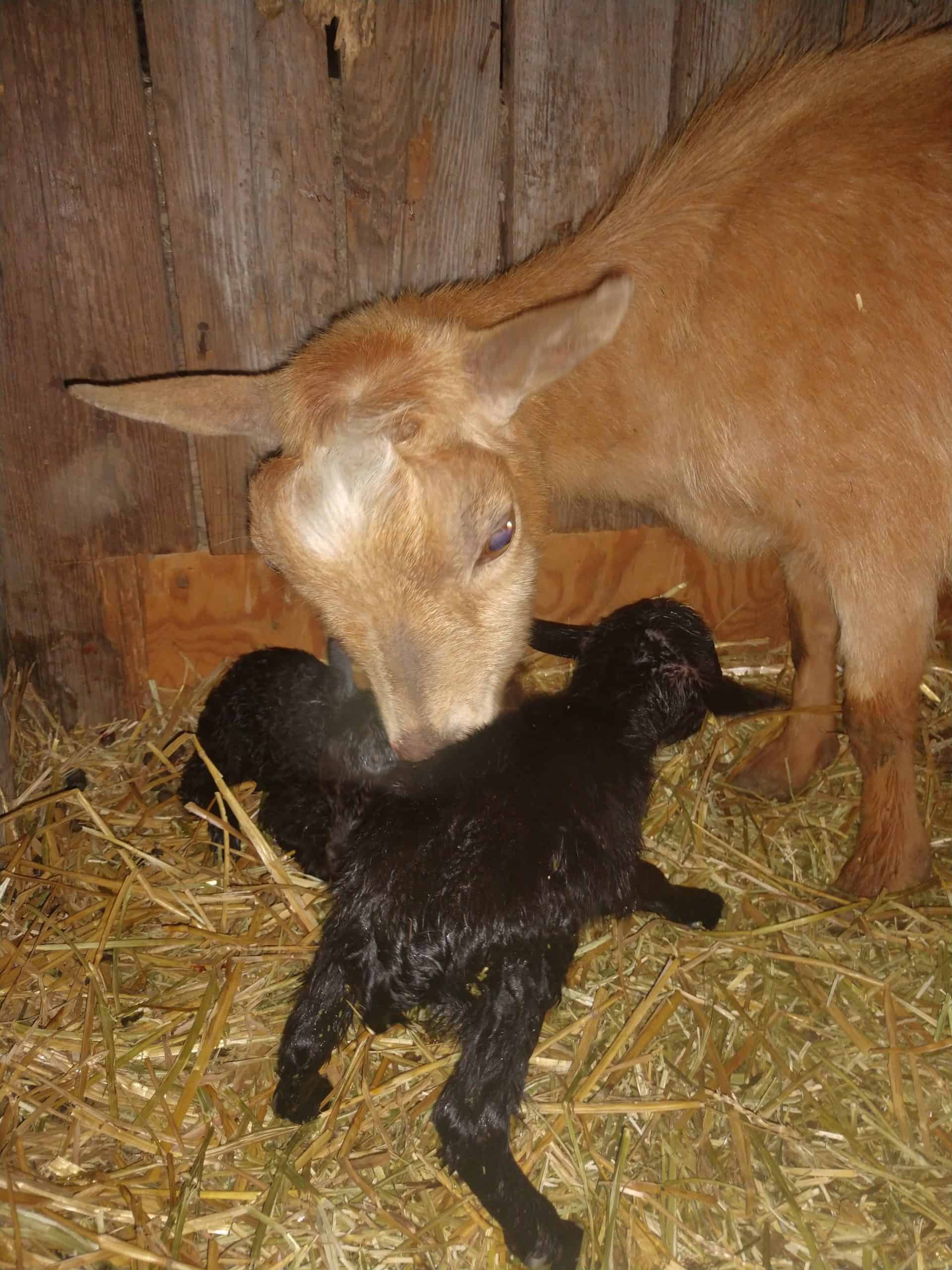
    Access The Organized Chicken Keeper Here

    How to Start Trimming Goat Hooves: Foot Care 101

    By MrAnimal Farm

    We don't want a life of discomfort for our goats, do we?  If you know the tips on how to buy goats and have gotten the perfect ones and have prepared for your goats, you know one of the regularly occurring events in goat herd maintenance is making sure they always have nicely trimmed goat hooves.

    Square feature image. Text reads, "how to trim your goat hooves”. Left image: Hoof before trim; right image: hoof after trim

    Why Should You Be Trimming Goat Hooves

    Goats love to climb and their hooves are a huge part in them being able to do so. Cloven goat hooves and their partial dewclaw hoof, similar to a dew claw on a dog, help them keep a good grip and not fall. So, having nicely trimmed hooves is not just for their own goat vanity, but an essential part of goat ownership, regardless of if you are a seasoned pro or just starting your family farm.

    When raising goats, trimming their hooves will help ensure that they maintain good goat health.  A goat whose hooves are not trimmed properly, or regularly, can have the potential to have overgrown hooves. An overgrown hoof, or hooves, and cause them to get founder, hoof rot (aka foot rot), or just be generally uncomfortable.

    We usually start checking to see if they need to be trimmed around 8 weeks of age. They may not need a trimming that young, but that is when you will want to start checking.

    How Often Will You Need to Trim Goat Hooves?

    Hoof trimming timing will depend on your individual goats as well as their environment.  For example, if they have lots of rocks and rough surfaces to climb on their hooves will naturally be shorter and you will not have to trim as often.

    You might want to make some fun DIY goat toys so that you an spend less time trimming goat hooves.

    Sometimes, it just depends on the individual goat, how often you will need to trim your goat's hooves.  Just like people's fingernails, different hooves grow at different rates.  So, you will need to keep an eye on your goats to get an idea of when they need a trim.

    We usually look at trimming our goats' hooves about 4 - 6 weeks before kidding starts as part of our kidding season preparation.  And during the rest of the year, we usually do a check every month or so.

    That is because we have a decently rough terrain that keeps their hooves ground down pretty well. You may want to trim every 2 - 4 weeks depending on what their area looks like.

    Need some help to keep your goats healthy and maintained? The G.O.A.T Herd Management Binder has you covered from supplies to routine care reminders.

    Goat Hoof Trimming Supplies:

    Trimming a goat's hoof is easy.  However, you will need at least a few supplies to get the job done.

    Goat Hoof Trimmers

    The one basic supply you will definitely need is a pair of goat hoof trimmers.  We love this pair from Zenport.  They are reasonably priced, but heavy duty enough to last a long time.

    goat hoof trimmers

    Second, you need a hoof pick.

    Lastly, you will need to know how to restrain a goat for hoof trimming.  There are a few ways both of which require a supply.  First (and probably easiest) is to use a milk stand to restrain you goat for hoof trimming.  But you can also use a collar and lead and tie the lead to the fence or other solid structure to help hold your goat in place while trimming your goats feet

    Goat Hoof Trimming: A How-To Guide

    Here is the exact process we use when trimming our goat's hooves. This method will work whether you are just trimming for maintenance or if your goat's hooves are overgrown.

    1. You'll need to restrain your goat

    We generally restrain our goats on the milk stand.

    Restraining your goats for when you trim your goats hooves helps to keep them calm and give you more control while you are trimming.

    Instead of using a milking/goat stand, you can also stand over them and have the same results.  This generally depends on the temperament of your goat.

    Or you can use a collar and lead and tie the lead to a solid structure.

    Giving them some treats, or food will help keep them calm during the hoof trimming time.

    goat on a milk stand

    2. Next you'll need to check your goat hooves.

    Look at the top of your goat's hooves.

    You will notice a light line around where the hair of the leg meets the hoof wall. This is the coronary band and will act as a guideline when you start to trim your goat hooves.

    untrimmed goat feet

    3. Take one hoof and look at the bottom.

    You will notice it is split into two sections. This is called a cloven hoof. Each side will need to be trimmed.

    If the hoof needs trimming you will see the hoof come to a point and almost appear to curve inward.

    untrimmed goat hoof before trimming

    This is all excess hoof growth.  When you are doing hoof trimming you will need to remove all of this excess hoof growth.

    4. Use your hoof pick.

    Before you start learning how to trim goat hooves, you need to get them clean.

    Using your hoof pick, gently remove dirt and debris from the cavity created inside the hoof wall.  If you don't clean the goat hooves out before doing your hoof trimming it makes it a lot harder to see what you are doing.  Also, it is not good to leave your goat hooves super dirty; rocks, mud, animal waste, and who knows what else can get trapped behind the hoof wall and cause your goat severe discomfort.

    If you go too long in between trimmings, your goat can run the risk of various goat hoof problems, like hoof rot or foot rot. This will start to present itself as a white, almost grainy, type of substance. If you spot this, clean it out and, depending on how much buildup there is along with how your goat is acting and moving/walking, you may want to either watch it for a few days or call your vet.

    untrimmed goat hoof partial trimming

    5. Start doing your hoof trimming.

    Once the area is clear of dirt and debris, take your goat hoof trimmers and cut the excess hoof off using the coronary band as a straight line of sight.

    untrimmed goat hoof partial trimming

    6. You will want to trim as close to the sole of the foot as possible.

    In order to be properly trimming a goat's hoof, you will want to cut off as much of the excess as you can.  This means to cut as close to the sole as possible.

    untrimmed goat hoof partial trimming

    You want to trim slowly though, do not take off big chunks all at once.

    trimmed goat hoof

    7. Don't trim too much off!

    When you trim each goat hoof do be careful not to cut into the goat's quick.  Because, if you do, it can be painful for the goat and may cause bleeding.  You will know that you are getting close when you see a slight pink tone in the hoof.

    While trimming a goat hoof, if bleeding does occur, you can stop the bleeding by applying pressure to the area and then disinfect as needed.

    Repeat this process for trimming all your goats hooves and you will have a happier more comfortable goat.

    trimmed goat hoof

    Remember, the more frequent trimming sessions you have, the easier it will be every time you do it.  We aim for once a month, but check periodically between trimmings.

    FAQ

    How often do you trim goat hooves?

    You should trim goat hooves every 4 to 8 weeks. The exact timing will depend on a few variables including how quickly your individual goats hooves grow and if they have surfaces to walk and climb on that help keep their hooves shorter.

    How do you trim an overgrown hooves goat?

    You trim overgrown goat hooves the same as ones that are not overgrown. However, you want to make sure you take little, incremental bits off so that you don't go too far and make them sore. Sometimes it may take you a few trimming sessions to get them looking good if they are particularly unruly.

    What happens if you don't trim goat hooves?

    If you don't trim goat hooves they can have a whole slew of issues including hoof rot. If their hooves get too bad, it can cause them to be unable to walk.

    Do you trim goats dew claws?

    Yes, you do trim goats dew claws. They don't need to be done as often.

    What does hoof rot in goats look like?

    Hoof rot can be identified by swelling in the hoof or up by the coronary band. You may see redness or even white areas of puss. Hoof rot almost always smells awful.

    If you have any questions or comments on how to trim your goats hooves, leave them below.  We'd love to hear what you think.

    If you need more help keeping your goats healthy and well taken care of, check out the G.O.A.T. Herd Management System - worksheets, calculators, supply management and more to keep your goats in tip top shape while cutting down on time.

    Access the G.O.A.T. Herd Management System Here

    Goat Breeds - 3 Types of Goats (Dairy, Fiber, Meat)

    By MrAnimal Farm

    Goat breeds
    three goat breeds text over a goat looking through fencing

    You can break goat breeds down into three general categories or types of goats: dairy goats, fiber goats or meat goats.  When you are thinking about how to buy a goat you will need to decide on a breed first. And, therefore, you should know what each goat breed is used for.

    Afterall, it wouldn't really do you much good to get one of the goat breeds that is a meat goat when you are wanting to get goats for milk or vice versa.  Some goat breeds are dual purpose breeds as well, so that may also play a factor in your decision.

    Dual purpose goat breeds are types of goats that can be used for two purposes.  For example, a goat breed that does well for both milk and fiber would be one of the dual purpose goat types.

    If you need more help on what goat breed to get as well as where to get your goats, check out Getting Started with Goats for all your answers! Fortunately, no matter which type you get, you can still use the same goat supplies, goat milking supplies, goat medical supplies, and kidding supplies.

    You will also need to take some time choosing hay for your goats or perhaps finding a good Chaffhaye dealer.

    There are so many different kinds of goat breeds out there

    Here we are going to look at a few breed examples for each of the three main types of goats:

    Types of Goats #1 - Dairy Goats:

    The purpose of breeding and keeping dairy goat breeds is for their ability to produce high quality and high quantities of milk.  There are multiple reasons to get dairy goats.

    This is one of the most popular types of goats.  These goat breeds can help you provide your own milk (which can be a money savings as well as health benefit).

    Additionally, dairy goat breeds can be used if you are looking to make money raising goats.  Since they have multiple products that you can use to sell - milk, soap, kids.

    So, if you decide that dairy goats are the type of goat for you, what specific dairy goat breeds should you be looking at?

    Nigerian Dwarf Goats

    Ok, so we are probably a little biased towards this goat breed since this is the breed that we raise.  Nigerian Dwarf are friendly, miniature breeds of goats that have high butterfat content in their milk.  This high butterfat makes their milk sweet and delicious.

    Nigerian Dwarf goats have become one of the most popular goat breeds due to their wonderful milk  and small size.  These qualities make them perfect for a small farm or homestead.

    They are also friendly and easy to handle, so most anyone can work easily with this goat breed.

    Already know what goat breeds you like, but want to know more about breeding goats?

    Nigerian Dwarf Goat

    Alpine Goats

    Alpines are a medium-large goat that produce considerably more milk than the smaller Nigerian Dwarf goats.  This is due to the fact that they are larger that Nigerian Dwarf goats.

    Alpines are considered to be friendly and great for use on homesteads or goat dairies.  So, if you are looking for one of the goat breeds that will produce the most milk, Alpines might be the right type of goat for you!

    Alpine Goat

    Nubian Goats

    Nubians are cute, floppy eared goats.  Their ears are one thing that helps them stand out from other goat breeds.

    They are around the same size as Alpines. However, they do not produce quite as much volume (usually) as an Alpine.

    Nubians, like Nigerian Dwarf goats, have a higher butterfat content in their milk.

    Nubian Goats

    There are even more dairy goat breeds you can check out if you are looking for goat breeds with good milk production.

    Need some help to keep your goats healthy and maintained? The G.O.A.T Herd Management Binder has you covered from supplies to routine care reminders.

    Types of Goats #2 - Fiber Goats:

    Fiber goats are one of the more unique types of goats.  Fiber goats are goat breeds that you use for their hair.

    These types of goats are also sometimes called hair goats or wool goats. Fiber goats are valuable throughout many cultures because of how versatile their hair can be in textiles.

    Their hair has special qualities that make it good to use for making yarn and other spun fiber products.

    You generally shear these goats to collect their fiber (it will grow back so that you can shear them again).  You can leave the fiber raw and sell it.

    Or you can dye it and spin it to make yarn, clothes, blankets or other processed and finished products that you can sell (or use yourself).

    If you are really talented with spinning you can sell the products you make as a great way to make money homesteading.

    With all of the different uses for their hair, this is one of the more valuable types of goats since they have multiple possible revenue streams with their products.

    Cashmere Goats

    Cashmere goats, not surprisingly, are the source of cashmere fiber products.  Cashmere goats are not actually one specific breed, but a group of goat breeds that have cashmere hair.

    Cashmere Goat

    Angora Goats

    Angora goats' fiber is mohair.  Their hair is long and wavy.  They are really adorable with their curly locks.  They can produce a large percentage of fiber annually.

    Angora Goat

    Pygora or Nigora Goats

    These are mini fiber goats.  They come from Angora goats that are crossed with Pymgy (Pygora) or Nigerian Dwarf (Nigora), so that you hopefully get the high quality fiber properties of the angora goats in a smaller package.

    These goat breeds are great for smaller homesteads where you might not have as much room for standard size goats.

    Types of Goats #3 - Meat Goats:

    Farmers will raise meat goats for meat.  Meat goat breeds will go to the butcher when they are large enough and can make a variety of different foods.

    Spanish Goats

    Spanish goats (originally from Spain, hence the name) are a very hardy, large breed of goat.  They are great brush clearers.  Spanish goats are famous for producing a large amount of meat with smaller input (food).

    Boer Goats

    Boer Goats can get to be huge.  They are distinguishable because they are a long eared goat. They are also fast growing and are the largest goat breed (they can go to market at weaning age usually).  Additionally, boer goats can breed year round - which makes it easier to produce kids.

    Boer Goat

    Kiko Goats

    Kiko goats are one of the newer goat breeds.  They are from New Zealand orginially.  The aim of breeding kiko goats was to create a hardy, fast growing goat breed.

    Obviously, when you are raising meat goat breeds, you want one that will be easy to care for and that will mature and get to size as fast as possible.  This allows you to put minimal time and money into the goat before it is butchering age.

    If you need more help with deciding on what goat breeds, or types of goats to get.  Check out our eCourse:  How To Get Started Raising Goats!

    So, now you should have an idea of the types of goat breeds out there as well as specific examples of each.  What goat breed do you find most interesting?

    Final Word

    Now that you know what different types of goats are out there and their many uses, you can start figuring out which kind you want to get. Your next steps will be finding out how much it costs to feed a goat, what goats eat, and how much a goat costs other than the initial price tag.

    Goats can be a lot of work but they are some of the most fulfilling and loving animals you can raise.

    If you need more help keeping your goats healthy and well taken care of, check out the G.O.A.T. Herd Management System - worksheets, calculators, supply management and more to keep your goats in tip top shape while cutting down on time.

    Access the G.O.A.T. Herd Management System Here

    Can Chickens Eat Grapes - Are They a Safe Treat?

    By MrAnimal Farm

    flock of chickens

    Grapes are a tasty and delicious snack for humans, but not safe for dogs and some other animals to eat. If you like to let your chickens eat pears and other tasty treats to spoil them, you may be left wondering: can chickens eat grapes?

    We know you absolutely love your chickens and you want them to enjoy life and what they eat. So, before you go tossing them your extra grapes, let's be sure you know if they are safe and how to feed them to your flock. Keep reading for all the juicy details.

    flock of chickens gathered around a water spigot drinking from a puddle
    [feast_advanced_jump_to]

    Can Chickens Eat Grapes?

    Yes, chickens can eat grapes. They can eat all different varieties of grapes and the all parts of the grape plant as long as it is fed in moderation due to the high sugar content.

    Not only can they eat them, but they will be super psyched if you bring them some to eat. And, as a bonus, feeding your chickens extras from your kitchen or garden can help decrease your chicken feed cost.

    They are sweet, juicy and delicious and your chickens will love to gobble them right up. You do want to keep a few things in mind, however, when feeding them.

    How Many Grapes Can They Eat?

    As when feeding chickens kiwi or other fruits, the key is to feed your chickens grapes in moderation. This is simply due to the fact that grapes, like most other fruits have a high sugar content.

    High sugar content and overfeeding in general can cause obesity and other issue for your flock. It has been shown that what and how you feed your chickens has an impact on their susceptibility to heat stress (just as one example of what overfeeding can do).

    Heat stress can cause decreased egg laying, GI issues and lots of other health problems.

    It is a good rule of thumb to only give treats as around 10% of their overall diet (which should consist of a high quality layer feed). This means, giving a few grapes per chicken per week is a good starting point.

    Also, make sure to know how much feed per chicken is required so that you ensure they are getting adequate nutrition.

    If you are regularly letting chickens eat blueberries, grapes and other treats, you might want to also make sure you are regularly following a chicken care checklist to ensure that you catch any potential health issues caused by too many treats.

    How To Feed Your Chickens Grapes

    In order to make sure that your chickens are able to enjoy their grape treat to the max, be sure to follow these guidelines when feeding them:

    • Home Grown, Organic or Washed: try to avoid feeding your chickens any pesticides by only offering homegrown (without spraying them), organic store bought or well washed store bought grapes.
    • Fresh & Not Moldy: chickens, just like people, shouldn't eat moldy, old or rotten food. So, make sure that you are offering fresh, ripe and clean grapes.
    • Cut if possible: while chickens can (and will) peck the grapes apart eventually if you toss them out whole, it is better to cut them in halves or quarters (depending on their size). This helps your chickens eat them better and also avoids any potential overzealous eating accidents where the chickens get the whole grape in their mouth and choke.
    • Offer separate from their feed: since grapes have a high water content, you don't want to toss them into a feeder or a bucket with their regular feed. This could cause the feed to get stuck in the feeder and/or to get moldy.
    • Hand feed, string them up or toss them on the ground: when you offer them to your flock you can either hand feed them, toss them right on the ground (this is great to toss right into their chicken tractor or chicken run area). Alternatively, you can make a chicken toy by string the grapes up and hanging them in or outside the coop.

    Benefits of Grapes for Chickens

    There are actually a ton of benefits that your chickens can get from eating grapes as a treat. They are chock full of a variety of vitamins and minerals that can help keep them healthy and happy.

    • Hydration: Grapes are actually full of water. So, much like when chickens eat watermelon, grapes are also a really hydrating food to offer them. This makes them a great summertime snack.
    • Vitamin C: Grapes have a decent amount of vitamin C in them. Vitamin C is essential for chickens and has a whole slew of benefits from regulating stress to increasing hatch rate to strengthening egg shells. Another way to ramp up vitamin C in your chickens diet is feeding chickens oranges as a treat.
    • Vitamin K: Grapes are also high in Vitamin K. This is an essential vitamin for blood clotting and bone density in chickens. Especially if you are raising meat birds, you want to be sure their bones are strong.

    This, of course, is not an all-encompassing list of the health benefits of grapes. They are also a good source of antioxidants, copper and fiber just to name a few.

    Need some help keeping your chickens health and care taken care of? Check out the Organized Chicken Keeper for an easy to follow system.

    Cautions

    Generally speaking, yes, grapes are safe and chickens can eat them. However, there are three ways in which they may be hazardous.

    Size

    Much like when feeding chickens cherries, the size of a grape can be a hazard for chickens because they can easily choke on them. Much like with human children, grapes are the perfect size to get stuck in a chicken's throat.

    Usually, chickens will just peck the grape until they have finished eating it. But if there are less grapes than chickens, they may become frantic and try to eat it before someone can take it.

    The best way to prevent this is to cut your grapes into smaller pieces so they are easier to swallow for a chicken.

    Pesticides

    If you grow your own or buy organic/pesticide free grapes, you can ignore this. But for regular store bought grapes, you will want to make sure you wash the grapes thoroughly; just like if you were eating them yourself.

    This is a good rule for any other fruit too, like when chickens eat strawberries or when chickens eat blackberries.

    Chickens are really sensitive to any kind of pesticide and ingesting it may make their stomachs feel terrible. You may also want to remove any stems or leaves as those can hold onto pesticides.

    Raisins

    The third way grapes can be hazardous is not actually in their natural form. Raisins are grapes that have been dried out. So, can chickens eat raisins or not?

    Unlike whole grapes, which can be a big choking hazard, raisins should be no problem for your birds. The real issue is the sugar content.

    Since raisins are dried, they have less water to balance out the sugar and are thus highly concentrated. Too much sugar is NOT good for your chickens.

    Feeding Chickens Grapes FAQ

    Can Baby Chicks Eat Grapes?

    Technically, yes, baby chicks can eat grapes. However, they would have to be chopped into tiny pieces and only given a VERY small amount. It may be best to just avoid feeding them this treat until they get a little older.more easily digest.

    Can chickens eat grape stems?

    Yes, chickens can eat grape stems. It will take them some time to make progress on them just like when they eat summer squash plants and other thicker foods. But, over time, they will peck them up.

    Can chickens eat grape seeds?

    Yep, chickens can eat grape seeds. And, it would be quite difficult to try to de-seed a grape anyway. The seeds of the grapes are actually a large contributor of the fiber and antioxidants in the grapes.

    Can chickens eat grape leaves?

    Yes, chickens can eat grape leaves. In fact, much like the seeds, the leaves are jam packed with a lot of vitamins like vitamin K and vitamin C which have significant health benefits for chickens.

    Can chickens eat grape peels?

    Yep, chickens can eat grape peels. Depending on the variety of the grape, some of the peels can be rather thick and therefore more difficult for your chickens to peck through. But they are still safe and OK for them to eat.

    If you need more help with taking care of your chickens, check out The Organized Chicken Keeper for a complete system for managing their health through keeping their supplies stocked and coop clean.

    Access The Organized Chicken Keeper Here

    Can Chickens Eat Strawberries or Are They Dangerous?

    By MrAnimal Farm

    Chicken being held next to a strawberry in someones hand.

    Yes, chickens can eat strawberries including their leaves and plants. In fact, strawberries are a good source of vitamin c, antioxidants and fiber which helps to keep your chickens healthy. And their bright color and sweet flavor makes chickens run to gobble them up.

    But, before you let your chickens run loose in your strawberry patch, you need to know how to feed them strawberries, how much they can eat and a few other important tips.

    Chicken being held next to a strawberry in someones hand.
    [feast_advanced_jump_to]

    Are Strawberries Safe for Chickens?

    Fortunately, for you and your feathered friends, it is perfectly safe for chickens to eat strawberries. There are a few caveats, but, if you toss some their way, they will probably not have any negative impact.

    In fact, chickens can eat blueberries, chickens can eat blackberries and chickens can eat raspberries, too. Most berries are safe and healthy for them to eat.

    It is important not to overfeed strawberries to your chickens as it can cause their diet to be thrown off. But, this is true of any treats you decide to give your chickens.

    Can Chickens Eat Strawberry Leaves?

    Yes, chickens can eat strawberry leaves, stems, roots - they can eat the entire plant. This is not true when feeding chickens mango, feeding chickens peaches, and feeding chickens tomatoes, because only the fruit is safe for them to eat.

    Chickens can eat any part of the strawberry and they will be fine. However, if you are feeding them conventional/store bought strawberries, be wary of feeding them the calyx or top.

    This part of the strawberry can hold onto any pesticides that were used while it was growing. If the chickens ingest this it can make them sick. If you are growing your own strawberries or buying pesticide free, organic strawberries, you don't need to worry about this.

    Chicken eating strawberries off the ground.

    How To Feed Your Chickens Strawberries

    • Wash the strawberries.
    • Toss them out to your chickens or offer them in a feed dish.
    • Freeze strawberries and help your chickens cool down on a hot summer day
    • Avoid feeding them the calyx/top if store-bought as it will sometimes have residue from pesticides (ignore if organic/pesticide free)
    • Only offer a few strawberries per chicken to ensure they don't overeat.

    Need some help keeping your chickens health and care taken care of? Check out the Organized Chicken Keeper for an easy to follow system.

    Benefits of Strawberries

    Strawberries are a healthy snack full of lots of vitamins and minerals such as fiber, antioxidants and a huge amount of vitamin c. This tends to be the case with a lot of fruits.

    Chickens can eat grapes, chickens can eat cherries and chickens can eat apples just to name a few other fruits that they enjoy.

    • Fiber - improves GI absorption, overall growth and more. This nutrient is also present when feeding chickens figs.
    • Vitamin C - this helps with a wide range of things such as immune system, anti-inflammation and heat stress reduction. Chickens can eat peaches if they need more vitamin C.
    • Antioxidants - these help with a wide range of things as well from reducing oxidative stress to helping cellular repair.

    Feeding Chickens Strawberries FAQs

    Can chickens eat moldy strawberries?

    No, do not let chickens eat moldy strawberries or rotten food in general.

    Can chickens eat strawberry jam or jelly?

    No, chickens cannot eat strawberry jam or jelly. Both are meant to be sweet and have too much sugar to be safe for chickens to eat.

    If you need more help with taking care of your chickens, check out The Organized Chicken Keeper for a complete system for managing their health through keeping their supplies stocked and coop clean.

    Access The Organized Chicken Keeper Here

    Gifts For Food Preservers

    By MrAnimal Farm

    jars of food preserves

    Are you looking for gifts for food preservers? There are a lot of gift options when it comes to someone that enjoys freezing, canning, or dehydrating their own food. When it comes to food preservation, anything that can help is a true gift. Here are a ton of gifts that anyone who enjoys preserving food will love.

    jars of food preserves

    Freezing

    Do you know someone interested in freezing their food? Help them stock up on freezing supplies with these ideas. 

    Proper Freezer Bags

    Freezing food requires the right kind of freezer bags. Stock up on these for the person who loves preserving food in your life. Double zip, coming right up.

    If you need more help getting your foods frozen, check out the Ultimate Freezing Food Guide for a complete quick start reference so that you can have a well-stocked freezer.

    Access the Ultimate Freezing Food Guide Here


    Stand and Fill Freezer Bags

    As you freeze food, you find out the little secrets that make it a lot easier, like these stand and fill freezer bags. 

    Canning 

    Canning is a true art and takes a lot of patience and understanding to learn. Gifting these items is a true blessing.

    Complete Book of Home Preserving

    Sometimes you just need the whole book on how to can and preserve your own food. If you have a food preserver in your life, they need this book. 

    Canning Lids

    When it comes to canning, you are going to need lots and lots of canning lids! Make sure you stock up while you’re grabbing gifts. 

    Canning Jar Lifter

    Canning isn’t too difficult, but there are some tools you’ll need. As a food preserver, this canning jar lifter is an awesome gift to grab for someone. 

    Canning Essentials

    Why buy all the canning supplies separately? When you can grab this canning essentials kit. The food-preserver in your life will be very happy. 

    Wide Mouth Canning Jars

    Canning requires jars of all sizes, having these wide-mouth canning jars on hand is a good move! 

    Pressure Canner and Cooker

    Canning will ensure you need something like this pressure canner and cooker. This is an awesome gift to consider for anyone who is into canning and food preservation.

    Canning Lid Rack

    Have you ever wondered what to do with all of those canning lids? This canning lid rack makes so much sense. 

    Water Bath Canner

    Canning requires a water bath. This water bath canner is a must to have on hand for any person who preserves food. 

    Dehydrating

    Do you know someone that is into dehydrating? Grab them any gift option on this list and they’ll be super happy! 

    Dehydrator

    In order to dehydrate food, you need a good dehydrator. Hands down, this is one of the best gifts you could get someone who wants to start preserving their food.

    Non-Stick Silicone Dehydrator Sheet

    Dehydrating doesn’t require a whole lot, but it does require dehydrator sheets. Grab these and be prepared the next time you decide to dehydrate some food. Don’t forget to grab a few as a gift. 

    1 Gallon Mylar Bags

    After the food is dehydrated, you need a really good Mylar bag for storage. 

    The New Homemade Kitchen

    Have a food preserver in your life? Gift them this The New Homemade Kitchen book that focuses on the art of preserving, canning, fermenting, and more. 

    There you have it! Here are a TON of useful gifts that any food preserver would love to have.

    If you need more help getting your foods frozen, check out the Ultimate Freezing Food Guide for a complete quick start reference so that you can have a well-stocked freezer.

    Access the Ultimate Freezing Food Guide Here
    pinterest image. text reads, "the best gifts for food preservers. 14 top picks!"

    Gifts For Gardeners

    By MrAnimal Farm

    gardening shovel and soil

    The gardener in your life can actually be hard to shop for. Gardeners seem to already have everything they need. So, if you’re looking for some of the best gifts for gardeners, you’re in the right place. Remember that the best gift for a gardener is one that they love! 

    gardening shovel and soil

    It really is true that buying gifts for gardeners, gifts for farmers, or gifts for goat lovers (really anyone that homesteads) is tough. Most of the time, they are pretty practical and have everything they may need.

    Tools for Gardeners

    Do you have a gardener in your life? When you are trying to find a gift for that gardener, you may find that they need a new tool or two. 

    Ergonomic toolset

    One of the best gifts for a gardener is a really awesome toolset. This 9 piece gardening tool set literally has everything you need to make that garden look good. 

    This gift is perfect for the aspiring gardener or for someone whose tool may be getting a little worn out after years of use.

    Gardening claw gloves

    It’s time to get crazy serious about gardening gift options. Every gardener needs these claw gloves to help them really dig in the dirt. 

    Plus, they can double as a pretty terrifying Halloween costume!

    Stainless steel gardening tools

    When you need a few heavy-duty gardening tools for the garden lover in your life, these tools work amazingly. 

    These are durable, rust resistant, and guaranteed to last for a very long time.

    Soil test kit

    If you are going to be serious about your garden, then you need this soil test kit. What garden lover wouldn’t love this kit?

    This tool is super handy if you like to plant a wide variety of different crops. This will measure the pH level, the moisture level, as well as, sunlight in any area you choose. This is particularly useful in raised beds.

    Metal raised garden bed

    Whether this is for your garden or for the garden lover in your life, this metal raised garden bed is the best of the best. 

    Raised beds allow gardener to focus more on tending their plants and less on constant weeding. Plus, you have more control over the pH and moisture levels for each box. This can help you grow a wider variety of plants.

    Clothing Gifts for Gardeners 

    Gardeners can always use a new t-shirt (probably because they've ruined a few of their old ones outside). Check out some of our best picks. 

    Hang out in the garden t-shirt

    Gardeners love clothes with fun sayings on them. This shirt says “I just want to work in my garden and hang out with my chicken. All I can say is “gardening goals.” This is also a great gift for chicken lovers.

    Gardening is cheaper therapy t-shirt

    I’m telling you that there is no shortage of fun t-shirts out there for gardening. For some gardeners, gardening is their therapy. 

    Gardening Gifts for Mom 

    Moms make up some of the best gardeners in the world. Make sure you check out these gardening gifts for mom. 

    Gardening t-shirt 

    When it comes to buying mom a gardening gift, you can’t go wrong with this t-shirt. It says “you’re never too old to play in the dirt.” 

    Mini greenhouse

    What mom wants, she gets. Grab her this mini greenhouse, it’s a gift she’ll love for years to come. 

    With this mini greenhouse, she can grow vegetables, flowers, or anything else she may want to try out.

    Raised garden bed planter

    The ultimate gardening gift for mom is this raised garden bed planter. She’ll love it. 

    If the corrugated steel look above is not her thing, she may prefer the natural look of these wooden raised beds.

    Seed Gifts for Gardeners 

    You cannot have a garden without seeds. For the best gifts for gardeners, you may want to check out some of these gift ideas. 

    Indoor Herb garden starter kit

    Is the garden lover in your life wanting to start a mini herd garden? Grab this indoor herb garden starter kit for them. 

    Growing your own herbs is a great way to make your food pop with flavor and save a ton on your grocery bill.

    Indoor garden pepper seed starter kit

    Want to grow pepper seeds? Now you can with this indoor garden pepper seed starter kit. 

    Growing peppers is one of the fastest growing vegetables and easiest veggies to grow. This kit is great because you can grow a variety of different pepper types.

    Herb garden seeds

    If you don't want to grow anything indoors, you can always just start your own herb garden outside with these herb garden seeds. This is one of the top gifts for garden lovers. 

    Vegetable garden kitchen

    Do you know of a garden lover that wants their own vegetable garden kit? If you do, grab this garden kit for them. 

    Exotic vegetable kit

    Any gardener will love trying something new with the help of this exotic vegetable gardening kit.

    You will, no doubt, be able to find something on this list that will make the gardener in your life happy. Good luck!

    Pinterest image. Text reads, "the best gift guide for gardeners"

    For more on gardening

    [pt_view id="5f37129sdf"]

    How To Care For Goats In Winter

    By MrAnimal Farm

    How To Care For Goats In Winter

    You made it through the summer and now the weather has started to get a bit colder. You may have noticed your goats' coats (ha ha) have started to get thicker. They are not out grazing as often as usual. And they are eating A LOT of hay. It should be pretty clear they are preparing for Winter. Now you too can prepare and learn how to care for goats in Winter.

    How To Care For Goats In Winter text over goat standing in snow

    Can goats handle cold weather? Goats are outdoor animals, and because of that, they are pretty good at surviving outside. You can, however, learn some tips about caring for goats, and use a few goat supplies, in the winter that will make their lives much more comfortable.

    How To Care For Your Goats In Winter

    Everyone needs a nice cozy place to call their home. Goats are no different and providing a comfortable home is your first step in how to care for goats in winter.

    Goat Shelter During Winter

    Essentially, you want to keep their living space draft free but with plenty of ventilation. The easiest way to winterize your goat shelter is simply provide a place that is fully enclosed or with three sides away from the wind. We used an older drafty barn stall as a fully enclosed shelter but put up a piece of particle board to block the gaps in between the barn's old planks.

    goat stall with drafts covered

    This technique adds plenty of ventilation to the stall and also blocks any cold Winter chills from coming through.

    Hay plays double duty in caring for goats in winter

    Well, actually hay and straw, but often times, your goats will use their hay for their own warming purposes. First, as your goats stop going out into their field to eat, they will stay inside their stall and eat as much hay as they can.

    goats in enclosed stall

    By filling their bellies up with hay, their rumen stays super active. The more active their rumen stays, the warmer their body stays. Your goat is sorta like a little mini goat warming, hay burning furnace (only cuter than a regular furnace).

    You will want to be sure you are choosing hay that is high quality so that they get all the nutrients that they need.

    Need some help to keep your goats healthy and maintained? The G.O.A.T Herd Management Binder has you covered from supplies to routine care reminders.

    Our goats eat almost double the amount of hay during the winter than they do the rest of the year. Combine that appetite with pregnant goats and you could have a huge bill! Make sure you know how much it costs to feed goats.

    We combat that by planning a bigger hay budget in the Winter and also by supplementing them with Chaffhaye.

    The second role hay plays when learning how to care for goats in Winter is in their bedding. It seems that any hay they do not eat, will end up on the floor of their stall. Don't get too upset at them for this. It is another part of their natural ability to keep themselves warm in the Winter.

    goat in stall with deep bedding

    Over the Winter, the hay on the floor soaks up all of their waste (that's poop and pee, if we're not being technical) and starts to decompose. The decomposition process basically turns their bedding into a compost pile and becomes a self generating heat source.

    Give them plenty of straw and it will cut down on the amount of hay they use for their own bedding.

    Need some help to keep your goats healthy and maintained? The G.O.A.T Herd Management Binder has you covered from supplies to routine care reminders.

    Heated Water Buckets

    Just like you and me, goats need water. When temperatures drop below freezing, your goats' water supply is cut off.

    Sometimes, you may have enough goats in the stall combined with the heat of the composting bedding and it will keep their shelter warm enough that their water won't completely freeze.

    But this isn't how to get lucky with goat care. This is how to care for goats in Winter. You do not want to count on that happening.

    The easiest and most effective way to keep water available for your goats at all times is by using a water heating device. Depending on the size of your herd, you have a few options for keeping your waters from freezing. If you have a smaller herd you can pick up a couple of heated buckets from your local farm store or online.

    two heated water buckets used to care for goats in winter

    If you happen to have a larger herd and they all use a large water trough, you can get a heater that actually sits in the bottom of the trough and keeps the water just above freezing temperature. You can also find these at your local farm store or online.

    Most importantly, DO NOT USE A HEAT LAMP!!!

    I don't think I can use enough excessive punctuation to get this point across. In no way, shape, or form is using an unmonitored heat lamp a safe way to care for your goats in Winter.

    They can burst and send shards of glass raining onto your goats. They can spark and create an extreme hazard for your entire herd.

    heat lamp not to be used for goat care in winter

    I cannot tell you how many times I have heard of someone losing some or all of their herd due to an awful fire. If you take nothing else away from learning how to care for goats in Winter, please take this; DO NOT USE A HEAT LAMP that is unmonitored!!!

    Of course, sometimes goat kidding season hits in the middle of the coldest time of year.  And newborn, wet kids may need a little extra heat.  If you need to use a heat lamp for baby goats in that circumstance, that should be fine as long as you keep an eye on it at all times.

    These are a few of the methods we use for how to care for goats in Winter.

    Do you have any tips we didn't mention above? Let us know in the comment section below.

    If you need more help keeping your goats healthy and well taken care of, check out the G.O.A.T. Herd Management System - worksheets, calculators, supply management and more to keep your goats in tip top shape while cutting down on time.

    Access the G.O.A.T. Herd Management System Here

    Dairy Goat Breeds - 9 Best Goat Breeds for Milk Production

    By MrAnimal Farm

    Dairy Goat Breeds

    Dairy goat breeds will be the best goat breeds for you to look at if you want a lots of yummy milk production from your goats! Of course, all goats CAN produce milk.  But that doesn't mean that you will get much milk from them or that it will be as delicious as ones bred specifically for milk production.

    There are several different dairy goat breeds including: Alpines, Nubians, Lamanchas, Oberhaslis, Toggenburgs, Sables, Nigerian Dwarfs, and Saanens. Additionally, there are mini dairy goat breeds like Mini-Alpines and Mini-Lamanchas which are a cross between Nigerian Dwarf Goats and the standard breeds. Milk production can range from .25-1 gallon per day.

    Dairy Goat Breeds  text over a gold colored goat

    Of course, if you want milk, you will also need to learn all about breeding goats!  Since they have to have kids to produce milk.

    The Top Dairy Goat Breeds

    There are many reasons to get goats, but if you aren't sure what type of goat to get make sure that dairy goats are right for you before you get one.

    Dairy goats can be a lot of work -- what with all the milking they require!  You'll need all the right goat supplies, milking supplies, know how to milk a goat, and how to pasteurize milk. But that delicious milk you get is well worth all the effort.

    If you are looking for the most milk per day, an Alpine at an average of 1 gallon is your best bet. If you are looking for rich butterfat and a smaller goat, then a Nigerian Dwarf may be what you are looking for.

    Check out the table below to see breeds compared by size and average milk production per day.

    BreedSizeMilk Production
    Alpine30-32 inches1 gallon per day
    Lamancha28-30 inches.82 gallons per day
    Mini-BreedsVariesVaries
    Nigerian Dwarf17-24 inches.25 gallons per day
    Nubian30-32 inches.75 gallons per day
    Oberhasli28-30 inches.72 gallons per day
    Saanen30-32 inches.97 gallons per day
    Sable30-32 inches.86 gallons per day
    Toggenburg26-28 inches.81 gallons per day
    Milk Production based on 305 day average lactation pounds from 2019 ADGA records

    Nigerian Dwarf Goats

    Ok, so we may be a tad bit biased here, but Nigerian Dwarf Goats are (obviously) our favorite of the goat breeds!  They are great if you have space constraints (or if you just love smaller goats). We also find them to be the friendliest breed of goat.

    They are a small goat breed but they produce more milk per body size than the larger breeds do.  This means cheaper per ounce cost for your milk.

    nigerian dwarf goat on a pallett
    One of our Nigerian Dwarf Goats, Chloe.

    Nigerian Dwarf Goats also have a very high butterfat percentage.  This means that their milk is very creamy and sweet.  It tastes most like cows milk to most people. In our opinion, it is the best tasting goat milk.

    This mini dairy goat breed is small, they range from 17 inches to just under 24 inches and average about 75 pounds (though some can be significantly smaller). They will produce overall less milk - usually around 2 quarts or so per day - than a standard sized breed due to their much smaller size.  So, it is important to make sure that you get goats from proven genetics that are easy to milk and produce a high volume of milk.

    Need some help to keep your goats healthy and maintained? The G.O.A.T Herd Management Binder has you covered from supplies to routine care reminders.

    Nubians

    These goats are a standard size goat.  They are one of the most distinguishable dairy goat breeds.  They are easy to tell by their long, floppy ears (which are just SO adorable!).

    Nubian Goats in a playhouse

    Nubians also have a high butterfat percentage (but not as high as Nigerian Dwarf Goats). They don't typically produce quite as high of a volume as other standard sized goats. They are on average of 2018 pounds of milk per lactation.

    But their butterfat (and adorable ears) may well be worth the trade-off.  For more information on Nubian Goats, check  out Nubian Goats as Pets.

    Alpines

    This maybe one of the most beautiful of the dairy goat breeds.  Alpines are a medium, standard size breed that comes in a wide array of patterns and colors.

    They are a very hardy breed that easily adapts to a variety of conditions.  This breeds is capable of producing large volumes of goat milk - on average a gallon per day. There are also mini alpine goats but they won't produce the same amount as their larger counterparts will.

    Alpine Dairy goat
    Alpine Dairy Goat via Kathy @ www.abetterwayfarms.com

    Saanens

    Perhaps one of the most striking breeds, Saanens are solid white.  They do not come in different colors and patterns like the other dairy goat breeds do.

    Saanens are a very large goat (the largest of the dairy goats) with the milk production to match - they can make well over a gallon of milk per day.  So, if you are looking for an enormous amount of milk, this goat breed may very well be your best choice.

    Saanen Dairy Goat
    Saanen Dairy Goat from Kathy @ www.abetterwayfarms.com

    LaMancha

    If you love different looking goats, then this may be the best breed for you for you!  LaMancha's are the polar opposites of Nubians.

    While Nubians have long, floppy ears LaManchas have little to no visible ear lobe area. Their ears come in two types:  gopher and elf.

    Lamancha goat
    By Just chaos (La Mancha) [CC BY 2.0 (http://creativecommons.org/licenses/by/2.0)], via Wikimedia Commons

    LaManchas can come in a wide variety of colors and patterns (like most of the other dairy goats - Saanens excluded).  

    This breed tends to be very hardy and is known for its ability to milk through.  Milking through means to milk over a year without being re-bred. They are known to average about 2100 pounds of milk per milking season which amounts to around .75 gallons of milk per day.

    Oberhasli

    Oberhasli are large goats standing at least 28 - 30 inches tall and weighing at least 120 - 150 pounds. They are originally from Switzerland and were brought to the US in the 1900's.

    They are only chamoisee in color which is brown with black points on the face, spine, legs and belly. They are known to give anywhere from ½ - 1.5 gallons of milk per day with a relatively high butterfat content.

    Sable

    Somewhat similar to Saanens in production, these goats stand at about 30-32 inches and weigh in around 150 pounds (plus or minus depending on if they are bucks or does).

    This breed is from Switzerland and can be a variety of colors except cream or solid white. They average about .75 gallons of milk per day.

    Toggenburg

    Toggenburgs are a little smaller than some of the other standard breed goats. They stand about 26-28 inches tall and weigh anywhere from 120 - 150 pounds.

    This breed is also originally from Switzerland. They are a variety of brown colors with white markings on their face and legs.

    Toggenburg's and mid-range producers at an average of 2237 pounds of milk per lactation. This is just over half a gallon a day.

    Mini dairy goat breeds

    Mini dairy goats are essentially a mix of usually a Nigerian Dwarf goat and one of the full size/ standard  size milk goat breeds.

    By mixing the small Nigerian dwarf goat with a standard size goat you get a mini dairy goat that is a power producer for milk.

    Of course, in order to decide which of these dairy goat breeds might be best for your situation, you will need to think about your space and goals. It is recommended that you only have between 2 and 10 goats per acre.

    Although, how much a goat costs doesn't vary much based on their size, they will ultimately cost less to feed and care for.

    How Much Milk Does A Goat Produce Per Day?

    It really depends on the breed and the size of the goat. A smaller goat like a Nigerian Dwarf goat can produce up to 2 quarts of milk a day. Whereas a larger breed like a Saanen can produce up to 3 GALLONS of milk per day!

    A good thing to remember is that the size of the goat will play a big role in the amount of milk they will produce. Genetics will then determine how heavy of a producer that specific goat will be.

    What Is The Best Tasting Goat Milk?

    We mentioned above that we think Nigerian Dwarf Goat goat is the best tasting. It has a higher butter fat content, up near 10%) and is generally sweeter than cow's milk.

    A larger breed like a Saanen will have a muskier flavor and a much lower butterfat content; usually around 3%. Alpines, which are sized somewhere in between Nigerian Dwarf Goats and Saanens have a butter fat content of around 3.5%.

    LaManchas are not much higher with around 3.7% and Nubians rounding out the list at just under 5%. So, it really comes down to how much milk you need and how sweet you want it to be.

    If you still need some help deciding what dairy goat breed to get and where to get it from, check out our Raising Goats eCourse or our Getting Started with Goats eBook!

    Which of these dairy goat breeds is your favorite?

    If you need more help keeping your goats healthy and well taken care of, check out the G.O.A.T. Herd Management System - worksheets, calculators, supply management and more to keep your goats in tip top shape while cutting down on time.

    Access the G.O.A.T. Herd Management System Here

    Ultimate Guide to Keeping Chickens Warm in Winter

    By MrAnimal Farm

    keeping chickens warm in winter

    If you have been raising baby chickens since spring and your chickens have started to lay, they are living the happy chicken life outside, but then winter is coming.  You probably want to know the secret to keeping chickens warm in winter, right?

    keeping chickens warm in winter

    Our first year with chickens in winter we were really stressed out about how we would be keeping our chickens warm.  Winters here are not SO awful, but it gets well below freezing for quite a while.  We also get a good amount of snow a few times a year.

    How To Keep Chickens Warm In The Winter

    We wondered if we needed a chicken coop heater of some sort.  We also wondered what other winter chicken care we needed to know about.

    I mean, if its below freezing and WE go outside we need to bundle up, right?  So, what would we need to do to be keeping chickens warm in winter?  Chicken sweaters, a chicken coop heater, heat lamps?

    The first thing we quickly learned about keeping chickens warm in winter is to NEVER use a heat lamp!

    The first and most important reason that you should NOT use a heat lamp or other chicken coop heater when thinking about keeping chickens warm in the winter is that they are an EXTREME fire hazard.  There are barn and house fires EVERY year in the winter due to people using heat lamps.

    This is one of the rules of thumb for keeping goats in the winter as well.

    heat lamp

    And, quite frankly, chickens in winter do not need extra heat.  Think about those nice (expensive), warm down comforters you probably love.  What helps make them so warm?  Feathers!

    How Cold Can Chickens Tolerate?

    Chickens can turn themselves into little heaters basically. Plus, if you have several chickens, they will all huddle together and combine their heat.

    Think about broody hens for a moment.  When you incubate chicken eggs and brood chicks you need them at close to 100 degrees. This means that broody hens are capable of producing this kind of heat!

    silkies in a coop

    Chickens in winter will fluff up their already insulated feathers to trap more heat and this is a key to keeping chickens warm in winter.  If it is SUPER cold, chickens will also cuddle together on their roosts to generate even more heat.

    Do Chickens Get Cold?

    We have had many winters where temperatures have dropped into the teens or even single digits. We were a bit worried about them at first but they don't really seem to mind.

    I'm sure if they did not have shelter, food, or water, things may have been different. But as long as you have your bases covered, your chickens and cold weather should not be a problem.

    If you only have a few chickens, you may want to consider introducing new chickens to the flock for the extra heat. Especially if you have Bantam chickens or Frizzle chickens, because they are smaller in size and sometimes their feathers are less insulated.

    So, you can see that chickens do not need an added chicken coop heater even in the winter.

    Need some help keeping your chickens health and care taken care of? Check out the Organized Chicken Keeper for an easy to follow system.

    Winterized Chicken Coops

    Another way of keeping chickens warm is to make sure they have a winterized chicken coop. You can do that by blocking out any drafts in their coop.

    Not having any drafts in their coop does not mean to plug it up super tight though.  It is very important to allow proper ventilation.  But do make sure that there are not winds or drafts coming through especially at areas where your chickens will be roosting.

    As you can see in the picture below, you can insulate a chicken coop as simply as nailing a few boards to their coop wall. We were able to block out any drafts directly next to where they roost.

    There is still enough space to allow a good amount of ventilation, but the wind chill is cut down quite a bit. It is almost like a DIY insulted chicken coop.

    keeping chickens warm in winter

    As you can see, chicken care in winter does not have to be too difficult.

    What To Feed Chickens In Winter

    If you want to give a little extra comfort when thinking about keeping chickens warm in winter, you can also give them some special treats.

    We usually give some warm oatmeal on the coldest mornings. Since chickens can eat apples, you can toss some of those into the oatmeal.  You can also give some cracked corn as a treat chickens in winter to help them stay warm.

    oatmeal with apples
    we'll even add apples in sometimes (but skip the cinnamon)

    Any extra food, especially things like warm food or cracked corn helps them stay warm by increasing their digestion.

    In addition to draft-free housing and some extra treats, there isn't much to do in terms of chicken care in winter.

    Keep Them Hydrated

    If your temperatures get below freezing, you will want to make sure your chickens have access to good, unfrozen water.

    There are multiple ways to keep waterers from freezing in winter, the easiest is a heated chicken waterer.  They are a perfect gift for chicken lovers. We got a set one year as a Christmas gift and they made our Winters soooooo much easier.

    However, there are other ways even if you don't have electricity in your coop.

    How To Heat A Chicken Coop

    How can you safely heat a chicken coop without electricity? You use the previous suggestions, mix in a little science,and viola!

    Make sure their coop has a good bedding of hay, straw, or pine chips. When your chickens eat and drink, they will then produce waste. This waste will start to build up in the bedding and decompose.

    Essentially, they will turn their bedding into a large compost pile. When things start to compost they heat up. So that is how you can heat a chicken coop without electricity.

    What About Chickens In The Snow?

    Our chickens love to free range. Even as cute little snow chickens, they like to scratch around and see what they can find. After a while, they get tired of that and go back to their warm coop where they have a feeder and water.

    As long as you have their other necessities met, your chickens in snow should not be an issue.

    Now that you know the keys to keeping chickens warm in winter, you can rest assured that without too much extra care your chickens will stay safe, warm and healthy!

    If you need more help with taking care of your chickens, check out The Organized Chicken Keeper for a complete system for managing their health through keeping their supplies stocked and coop clean.
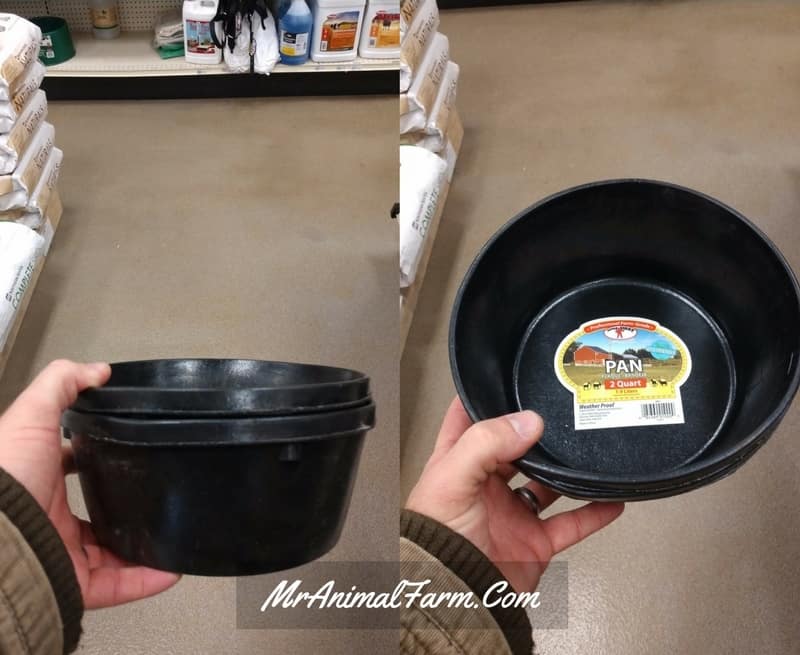
    Access The Organized Chicken Keeper Here

    Gifts For Goat Lovers

    By MrAnimal Farm

    closeup of goat grazing

    If you or someone you know loves goats, you know that love can be an all consuming thing. EVERYTHING is about their goats. So what kind of gifts for goat lovers are the best?

    closeup of goat grazing

    To get a memorable gift for your goat lover, you have to get into their mindset. You can get them something to wear that tells the world about their infatuation. You can also get them something decorative aka goat chic.
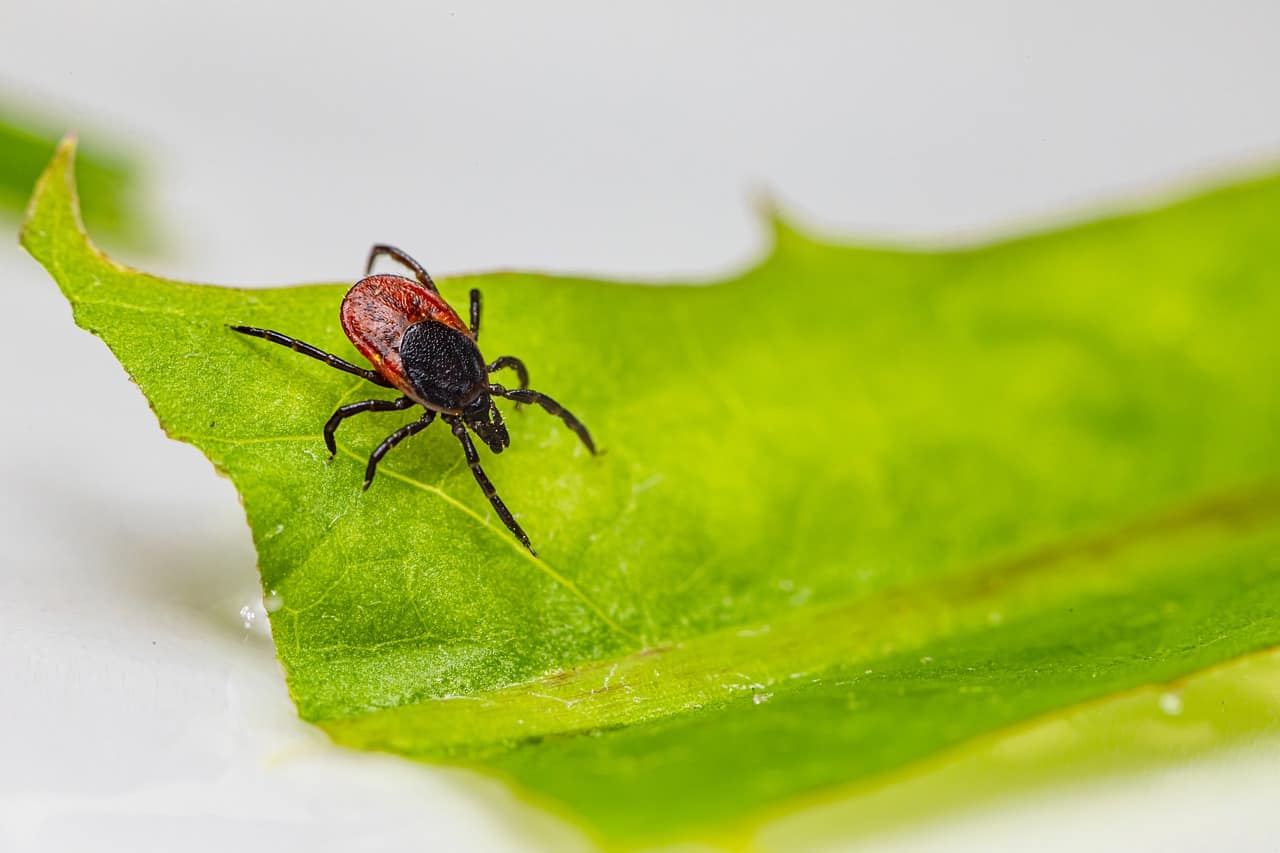
    You can never go wrong with some educational material so they can learn even more about their favorite animal. Maybe they want something for their goat and not for themselves.

    While you're at it, you can also pick up some gifts for gifts for chicken lovers, gifts for farmers, gifts for gardeners, and gifts for food preservers too!

    20 Awesome Gifts For Goat Lovers

    Gifts for Actual Goats

    The person you're getting a gift for may not actually need or want anything. Maybe they just want to make sure their precious goats are happy and taken care of. When that's the case, here are a few items that are sure to be a hit.

    Complete Goat Hoof Care/Trimmer Set 110v US

    Trimming goat's hooves to keep them nice and maintained is a crucial piece of their health and comfort. This deluxe hoof care set will make sure their feet are always feeling great.

    Zenport Q91 Zen-Magic Ultra Twig and Hoof Trimming Shear Twin-Blade, 7.5-Inch Long

    A good set of hoof trimmers can always be put to use on a goat farm. Even if they already have a set, they wear out over time and will need to be replaced. No goat lover will think this is a bad gift.

    Weaver Goat Hobbles

    Goat hobbles are one of the best tools you can have when dealing with goats. They make life easier whether trimming hooves or milking them on the milk stand. Keep your goats grounded and your giftee free from hooves to the face.

    Clothing

    Just like Superman has an "S" on his chest, you're goat loving friend will enjoy showing the world what they stand for.

    "Keep Calm And Love Goats" T-Shirt

    It's an iconic design that fits the goat motif all too well. This is sure to get constant use.

    Southern Attitude Whatever Floats Your Goat Seafoam Green Short Sleeve Women's Shirt

    This t-shirt is a mood. Anyone that loves goats will get a good laugh out of this shirt. It perfectly encapsulates the mindset of your average goat farmer.

    I am 2 Goats Past Normal Funny Pet Goat Hoodie Sweatshirt

    Hoodies are one of the greatest inventions of all time. They keep you warm and it's like wearing a hug.

    Plus, you get a funny goat phrase to go along with a little warmth and comfort.

    Beanie for Men & Women I Love Heart Goats Embroidery Skull Cap Hat 1 Size

    Keep your head warm and who everyone your love for goats with this I Love Goats beanie cap. It's cute, comfy, and beats having to brush your hair to go to the barn.

    Animal Ties | Woven Skinny Neckties | Gift for Men | Work Ties for Him | Birthday Gift for Guys

    Formal occasions don't have to be goat free. Sneak in a tie with little, tiny goats embroidered into it. Perfect for church, weddings, prom, and any other tie wearing function.

    I Love Goat Gift Socks Collection

    These socks will go perfectly with any other item on this clothing list or they could make a great gift of their own. High quality socks with goats are a perfect gift for any time of year.

    Sloggers Women's Waterproof Rain and Garden Boot with Comfort Insole, Goats Sky Blue

    Good, waterproof boots are a must have when you have goats. These boots, with their bright blue color and adorable goat design can add a little bit of fun to even the rainiest of days.

    Bestill Goat Necklace Animal Charm Stainless Steel Jewelry Gift for Your Friend Lover Family

    Last but not least, the goat lover in your life will absolutely love this stylish piece of goat jewelry. It is stainless steel and features a goat with a heart shape in the middle.

    Goat Books, Planners and Courses

    If you are looking for a gift for a goat farmer or homesteader that is still learning, they may enjoy an educational gift.  Here are some books, planners and courses that may make great gifts for hobby farmers or more serious farmers:

    Raising goats eCourse

    Goat Breeding Planner

    If you need more help keeping your goats healthy and well taken care of, check out the G.O.A.T. Herd Management System - worksheets, calculators, supply management and more to keep your goats in tip top shape while cutting down on time.

    Access the G.O.A.T. Herd Management System Here

    Goats Adult Coloring Book: Stress Relieving Goat Designs

    Grownups like to color too, ya know. This goat themed coloring book is a perfect gift for when they just want to decompress and relax.

    The Screaming Goat (Book & Figure)

    No doubt you've seen screaming goat videos online before. They are soooo hilarious. This is a fun little decorative piece with a companion book.

    The Whole Goat Handbook: Recipes, Cheese, Soap, Crafts & More

    If you know someone who is a bit craftier and self sufficient, this is a perfect gift. Here are several recipes, cheeses, soaps, and more for the goat lover who likes to make stuff.

    Make Your Own Goat Cheese

    Ricki's Goat Cheese Kit

    This goat cheese kit has everything you need to make your own cheese at home except the goat milk. Obviously, if you or your friend have goats, you may be able to supply that on your own.

    Chevre C20G - 5 Packets

    This is for the cheese maker that is a bit more experienced and doesn't need a whole starter kit. This pack can make up to 10 lbs of cheese, which in itself, is a perfect gift.

    Funny Gifts For Goat Lovers

    Everyone could use a good laugh. These gifts are perfect for just that.

    Keep Gate Closed No Matter What The Goats Say 9 inch by 12 Inch Metal Funny Farmhouse Decor

    My Kids are Buttheads TP 263 vinyl 8" goat Decal Sticker

    This decal is sure to draw attention and some knowing nods from mothers everywhere. I feel like you may not even NEED goats to relate to this gift.

    Every good farmer needs a good cup (or pot, whatever) of coffee to start their day. Why not give them a good chuckle to go along with it with a funny coffee mug?

    pinterest image. text reads, "gift guide for goat lovers"

    For more on goats

    [pt_view id="89114c7qgm"]

    • « Go to Previous Page
    • Go to page 1
    • Interim pages omitted …
    • Go to page 3
    • Go to page 4
    • Go to page 5
    • Go to page 6
    • Go to page 7
    • Interim pages omitted …
    • Go to page 9
    • Go to Next Page »

    Primary Sidebar

    kristin, justin and goat

    Hey, we are Justin & Kristin! Welcome to MrAnimal Farm where we share our knowledge on homesteading, livestock and poultry, gardening and food preservation

    More about us →

    Popular Posts

    • Differences Between Ameraucana, Aracana and Easter Egger Chickens
      The Araucana Vs Ameraucana Vs Easter Egger Chicken
    • Chickens That Lay Green Eggs - What Chickens Lay Green Eggs
      Chickens That Lay Green Eggs - What Chickens Lay Green Eggs?
    • brooder box for chicks
      Chick Brooder Plans - How to Build a Brooder in 3 Steps!
    • Curled toes in Chickens
      Curled Toes in Chickens - Causes and Treatment
    • Goat Toys
      DIY Goat Toys: Cheap Toys to Keep Your Goats Busy
    • hen or roo
      How To Sex A Chicken & Tell A Hen From A Rooster

    Fall Homesteading

    • Fresh carrots and beets being held over a wooden table.
      15+ Fall Garden Crops For a Longer Harvest
    • Molting Chickens
      Molting Chickens - What, Why & How to help!
    • two butternut squash on a wood board
      Can You Freeze Butternut Squash ?
    • Goat Breeding Planning - Using ADGA to Make the Right Matches
      Goat Breeding Planning - Using ADGA to Make the Right Matches

    Footer

    Amazon Affiliate Disclosure

    We are a participant in the Amazon Services, LLC Associates Program, an affiliate advertising program designed to provide a means for sites to earn advertising and linking to Amazon.com. As an Amazon Associate we earn from qualifying purchases.

    Privacy Policy

    For details on our privacy policy click here.

    Copyright © 2026 · MrAnimal Farm